15 Best Things to Do in Brussels for First-Time Visitors (2026)
Brussels often surprises visitors because it doesn’t fit the expectations people arrive with. Many travellers assume it’s merely an administrative capital or a brief stopover between Paris and Amsterdam. In reality, it offers a lot, and there are many fun things to do in Brussels.
For a first visit, plan to spend 1 to 3 days in Brussels. The city is compact and easy to explore on foot, works well as a base for day trips, and is simple to get around by metro or tram when the weather is cold and rainy.
This guide mixes famous sights, local food and drink, museums, and a few less obvious picks that make the city feel personal.
If you’re looking for the best things to do in Brussels without wasting time, start here.
Also, check out my guide on Where To Stay In Brussels, and how to plan your Perfect Day Trip to Bruges From Brussels.
If Brussels is part of a larger trip, our Belgium Travel Guide covers where to go next, how to get around, and practical tips for planning your visit.
Key Takeaways
- Plan 1 to 3 days in Brussels, the city is compact and easy to explore on foot, with metro and tram as backups in bad weather.
- Don’t skip the Grand Place, go early morning for photos and after dark for the lit up buildings and atmosphere.
- For big viewpoints, prioritize Mont des Arts (free, central) and the Atomium (panoramic views, half-day with Mini-Europe).
- Try Brussels classics in a simple food plan, Belgian fries, a Brussels or Liege waffle, moules-frites, and a Belgian beer flight.
- Add a modern contrast with Tour and Taxis (Gare Maritime), an easy indoor stop for food, events, and a different side of Brussels.
Planning an international, multi-city trip?
Learn how to organize routes, flights, and logistics without stress. This guide is designed for first-time travelers but just as useful for experienced travelers planning complex trips.

Must-See Sights in Brussels you should not skip (even if you hate tourist traps)
These are the “yes, you should still go” places. The trick is doing them at the right time, then moving on before the crowds drain the fun.
1) Grand Place at day and after dark
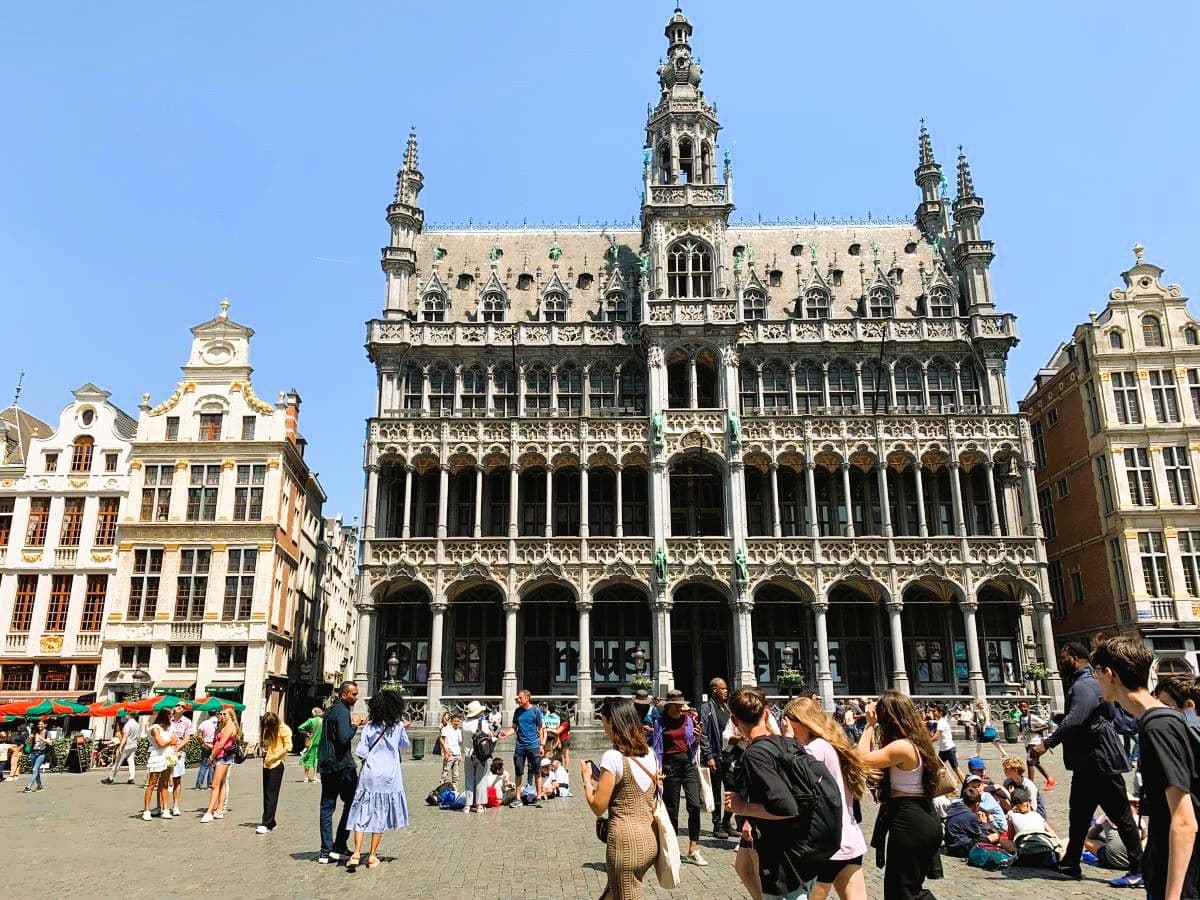
Grand Place is Brussels’ showstopper, and it’s not hype. Known as Grote Markt in Dutch, Grand Place features the Brussels Town Hall spire, ornate guild houses, and gold details that all feel almost too perfect, like a movie set that happens to be real.
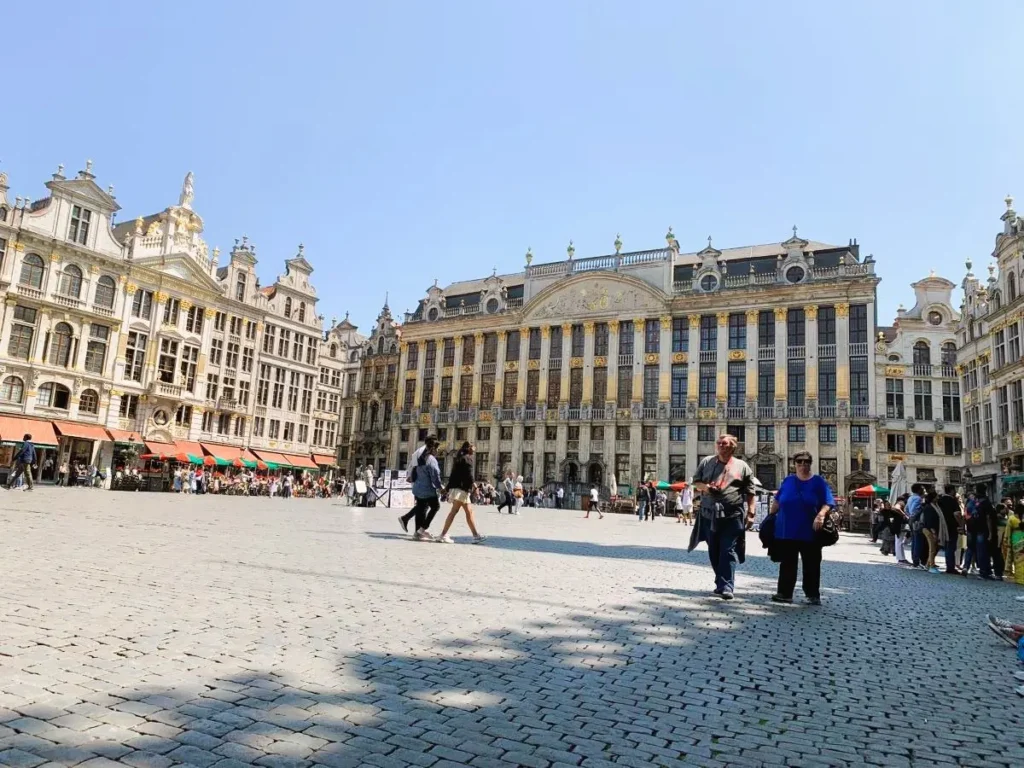
Go twice if you can. In the morning, the square feels calmer and you’ll get cleaner photos. At night, the buildings light up and the whole place turns cozy and dramatic. It’s also open all the time, so it’s easy to fit in. People-watch from the edge with a waffle or hot drink, and enjoy the mix of locals and visitors. For a deeper dive, visit the Brussels City Museum, located in the historic Maison du Roi on Grand Place.
If you want a crowd-free moment, aim for early morning or late evening. Official visitor info often highlights this as the top winter-friendly stop, since it’s outdoors but still magical in the cold.
For seasonal ideas, check winter in Brussels tips. The Brussels City Museum provides excellent context on the square’s history too.
Why it’s worth it: it’s the one place that instantly explains Brussels in a single glance.
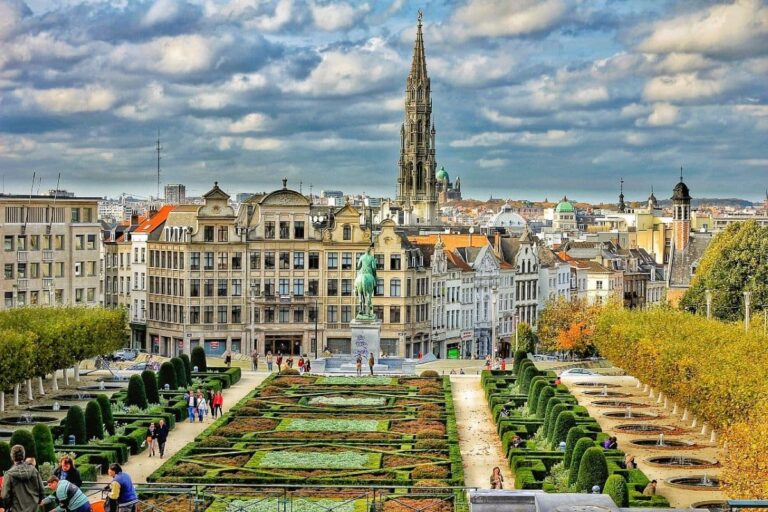
2) Mont des Arts for postcard city views
A short walk from Grand Place, Mont des Arts gives you one of the best “I’m really here” views. You’ll see rooftops, terraces, and a clean line of city skyline that looks great in any weather.
It also works as a smart planning point. From here you can head toward the Royal Palace district, drop into the Musical Instrument Museum or Royal Museums of Fine Arts, or walk back down into the old center for snacks. If you’re visiting in January, this is a great daytime stop when the light is soft and the air is clear.
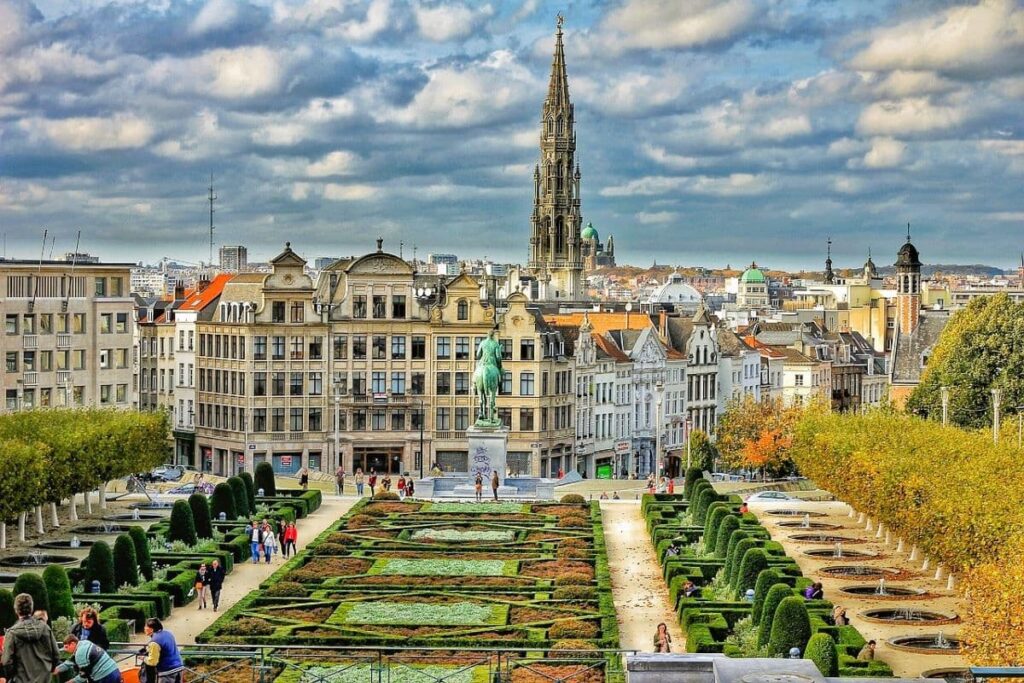
Why it’s worth it: fast, free, and it makes the city feel easy to understand.
3) The Atomium and Mini-Europe for big views and an easy half-day
The Atomium is Brussels’ sci-fi icon, built for the 1958 World’s Fair. It’s a giant structure shaped like an atom, with connected spheres you can explore. Inside, you’ll find exhibits and, most importantly, panoramic views from the top.
Pair it with Mini-Europe nearby. It’s a miniature park of famous European landmarks, and it’s better than it sounds, especially for families or anyone who wants something light and fun. This combo is also a strong rainy-day plan because you’re not depending on long outdoor walks.
Timing tip: go earlier in the day to avoid peak lines. For current hours and tickets, check official sites close to your visit.
Why it’s worth it: you get a totally different side of Brussels, and the skyline view is a highlight.
Food and Drink in Brussels: Eat and drink your way like a local
Brussels is a city where snacks count as plans. You don’t need a fancy schedule, just a little strategy so you can try more without feeling stuffed by 3 pm.
4) Belgian fries, the right way
Belgian fries are thicker than fast-food fries and usually double-fried, which makes them crisp outside and soft inside. Order them in a paper cone, add a sauce (andalouse and samurai are popular if you like a kick), and eat them while walking.
Etiquette is simple: you order at the counter, pay, then step aside. If there’s a line, it moves faster than you’d think.
Best time: late afternoon is prime fry time, when you need something salty between sightseeing and dinner.
Why it’s worth it: it’s Brussels comfort food, and it tastes like the city.
5) Brussels waffles vs Liege waffles (and when to eat them)
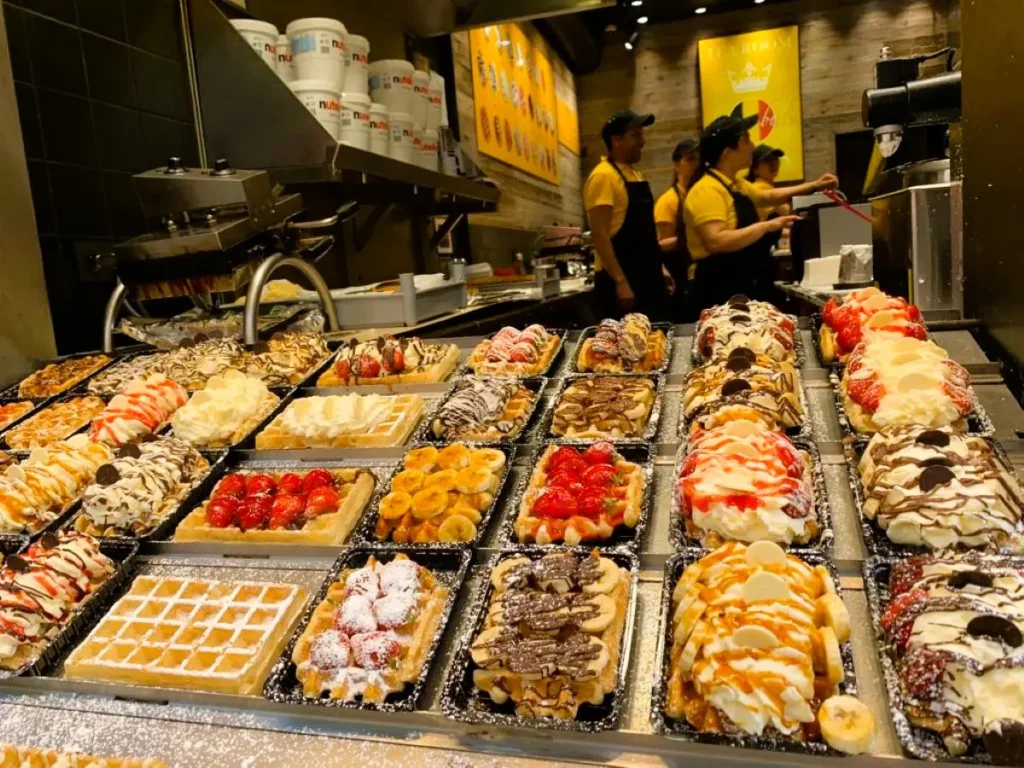
Waffles are not all the same here. Brussels waffles are lighter, rectangular, and crisp, often served with powdered sugar, whipped cream, fruit, or chocolate sauce. A Liege waffle is smaller, denser, and sweeter, with caramelized sugar bits baked in.
If you want toppings and a “dessert moment,” go for Brussels waffles. If you want something you can carry around like a sweet snack, go Liege-style.
Line-avoid tip: go on a weekday morning or mid-afternoon instead of weekend evenings near Grand Place.
Why it’s worth it: it’s a classic Brussels taste that feels fun, not formal.
6) Try moules-frites for one sit-down meal
If you only sit down for one proper meal, make it mussels and frites. You’ll usually get a big pot of mussels cooked with white wine, garlic, or creamy sauce, plus fries on the side.
How to eat mussels and frites without overthinking: Use an empty shell like tiny tongs to pull the mussels from the other shells. It’s normal to make a small pile of shells as you go.
Why it’s worth it: it’s the most “Belgium on a plate” meal, and it’s filling without being heavy.
7) Chocolate tasting without wasting money
Belgian chocolate shops are everywhere, and it’s easy to overspend fast. The smarter move is a mini tasting. Pick 2 to 3 pralines (filled chocolates) from a couple of shops and compare. You’ll learn what you like without hauling around a giant box.
If you want structure, a museum-style visit with samples can be a good deal. Many travelers start with something like a chocolate museum plus tasting, then buy gifts after.
Packing tip: in January, chocolate travels well in your day bag. In warmer months, keep it out of sun and away from heaters.
Why it’s worth it: it’s a small splurge that feels like a Brussels ritual.
8) Belgian beer, the easiest way to try more than one
Belgium’s beer culture can feel like a menu puzzle. Keep it simple and order a flight (a few small pours) of Belgian beer. Start light and end dark so your taste buds don’t get tired too soon. Head to Delirium Cafe to try a wide variety.
Styles to look for:
- Trappist: brewed by monks, rich and strong.
- Lambic and gueuze: tart and funky, like the beer version of sour candy for grown-ups.
Pacing tip: drink water between beers, and pair with fries, cheese, or a stew.
If you want more context on what’s popular right now, scan a curated list like top Brussels experiences and see what visitors keep booking.
Why it’s worth it: it’s one of the most memorable “only here” tastes.
Museums and neighborhoods that show the real Brussels
Brussels isn’t just pretty buildings and Art Nouveau architectural depth. It’s also art, politics, and neighborhoods that change vibe block by block. The nice part is that many spots are walkable between the center, the Royal District with the Royal Palace, and the European Quarter.
9) Royal Palace area, parks, and an easy bundle of stops
The Royal Palace area feels more open and calm than the busy center. Even if you don’t go inside, the streets and nearby parks make for a great stroll, especially if you want a slower hour. Wander into the charming Sablon district, home to Notre Dame du Sablon, and take in the Palace of Justice as you explore the higher parts of the city.
If the Royal Palace is open during your visit (it’s seasonal), it’s a simple add-on. Build a low-stress route like this: start near the palace area, walk through the parks, then head down toward Mont des Arts and back into the center for food.
Why it’s worth it: it’s a clean, classic Brussels look, and it’s easy to combine with museums.
10) Magritte Museum for a fun, weird, easy-to-understand art stop
René Magritte’s art is surreal in a way that’s approachable. You’ll see everyday objects (hats, pipes, apples, clouds) used in ways that make you pause and smile, even if you don’t “do museums.”
Don’t try to see every label. Pick a few famous works, take your time, and leave before museum fatigue hits. It’s the kind of place that sticks in your head later, when you’re back outside and the city feels a little dreamlike.
Why it’s worth it: it’s one of the easiest art museums to enjoy as a first-timer.
11) European Parliament and the Parlamentarium for a free, modern visit
If you want context for why Brussels matters, this is your stop. The Parlamentarium is an interactive museum about the European Union, and it’s free, modern, and clear.
Expect airport-style security and bring an ID. Give yourself extra time at the entrance, especially mid-day. Once inside, it’s self-paced, so it works well even if your schedule is tight.
Why it’s worth it: it helps the city make sense beyond waffles and squares.
12) St. Michael and St. Gudula Cathedral (and what’s special in 2026)
This cathedral is a strong pick when the weather isn’t great, or when you want a quieter place to reset. The architecture is grand without feeling stuffy.
In 2026, the cathedral is marking a major anniversary with events through the year, including concerts and special visits. If you’re traveling in January, check what’s on during your dates through local event listings such as Brussels events in January 2026.
Why it’s worth it: it adds depth to your trip, and it’s beautiful even on a quick visit.
Small, memorable Brussels moments that make your trip feel special
These are the moments you’ll talk about after the trip. They’re easy to do, low stress, and they make Brussels feel like more than a checklist.
13) Manneken Pis, plus the fun of spotting the lesser-known statues
Yes, you should see Manneken Pis. Just set expectations: it’s small, and it’s usually surrounded by people trying to photograph it.
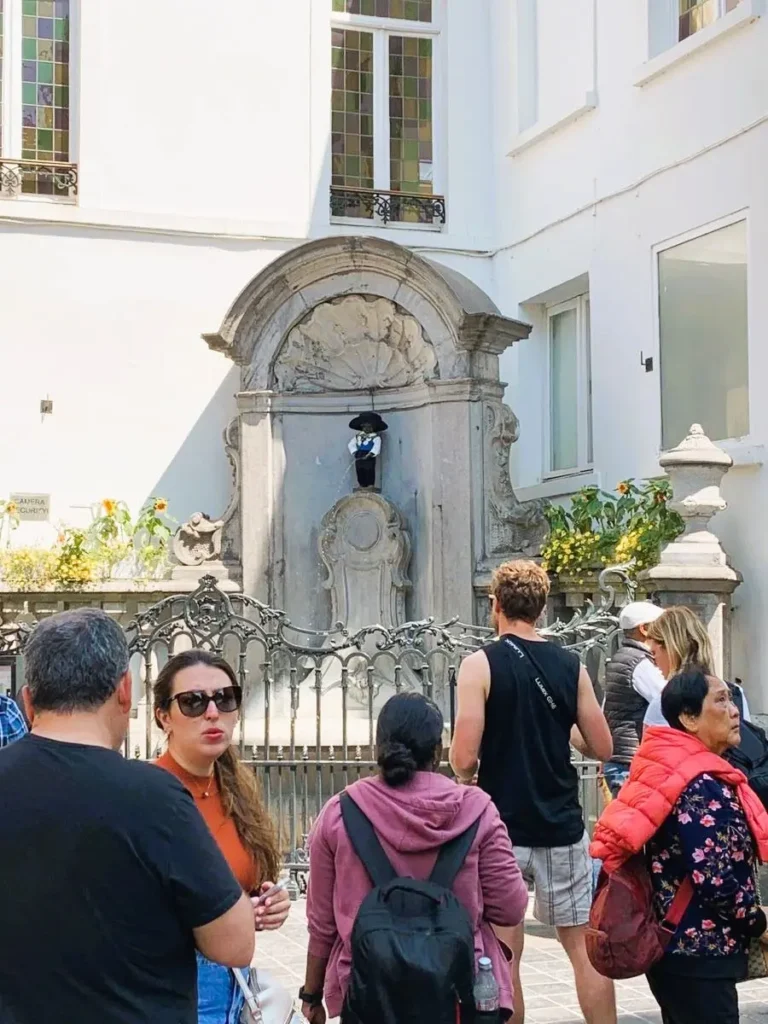
Make it fun by turning it into a mini scavenger hunt. After you see the famous Manneken Pis, go find Jeanneke Pis (the girl statue) and Zinneke Pis (the dog). Suddenly it’s not just one crowded stop, it’s a quirky Brussels story you’re collecting.
Why it’s worth it: it’s silly, iconic, and it takes almost no time.
14) Comic book murals, Galeries Royales Saint-Hubert, and an easy self-guided walk
Brussels loves comics, and the city shows it with wall murals in unexpected places. Pick a few murals in or near the center as you follow the Comic Strip Route, then aim for the Galeries Royales Saint-Hubert as your warm indoor break. For fans of the art form, the Belgian Comic Strip Center offers a great alternative dive deeper into the scene.
The Galeries feel like an elegant shortcut through the city, with shop windows, lights, and that “old Europe” vibe. Stop for coffee, hot chocolate, or Belgian chocolate, then head back out.
If you want inspiration for what else to add nearby, Time Out’s Brussels picks can help you spot extra stops that match your style.
Why it’s worth it: it’s part art walk, part cozy arcade, and it’s perfect for winter.
15) Parc du Cinquantenaire and the arch for one of the best views
Parc du Cinquantenaire is big, open, and easy to love. The arch is the star, and the view from up there is one of the best in the city. In January, the park can be chilly with a crisp air that echoes the festive vibe of a Christmas market, but that makes the scene feel extra sharp.
Rain plan: there are museums nearby, so you can keep the same area on your itinerary even if the weather turns.
Why it’s worth it: it’s a classic Brussels photo, and it feels local once you’re off the main streets.
Bonus 1: Gare Maritime and Tour and Taxis for modern Brussels (and January 2026 energy)
If you want a break from old streets and statues, head to Tour and Taxis. Gare Maritime is a huge indoor hall with food options and a modern, airy feel. It’s great for a rainy lunch, or a low-key evening when you don’t want a formal restaurant.
In late January 2026, Tour and Taxis hosts events like Ceramic Brussels, a large fair with many exhibitors. Even if you’re not a ceramics expert, it’s a fun way to see a different crowd and a different Brussels.
–Tour & Taxis is a former industrial and customs complex in Brussels that’s been transformed into a modern cultural district with events, food halls, and green space. It’s a great place to see a more local, contemporary side of the city.
–Gare Maritime is a former freight station at Tour & Taxis that’s been transformed into a striking indoor space with restaurants, cafés, shops, and events. It’s a great place to see Brussels’ industrial heritage reimagined for modern life.
Why it’s worth it: it’s comfortable, current, and easy to enjoy without planning too much.
Frequently Asked Questions About Things to Do in Brussels
How many days do you need in Brussels?
A first visit usually fits well in 1 to 3 days. Brussels is compact, many major sights are walkable, and public transport (metro and tram) makes it easy to move around when it’s cold or rainy.
What are the must-see sights in Brussels for first-timers?
Start with Grand Place (visit in the morning and at night if you can), then walk to Mont des Arts for one of the best city views. If you have extra time, add the Atomium (and Mini-Europe nearby) for a half-day outside the center. Manneken Pis is also a short walk from Grand Place. It’s one of the famous attractions in Brussels.
What’s the difference between Brussels waffles and Liege waffles?
Brussels waffles are light, rectangular, and crisp, often served with toppings like fruit, whipped cream, or chocolate sauce. Liege waffles are smaller, denser, sweeter, and have caramelized sugar bits baked in, so they work well as a handheld snack.
What food should you try in Brussels?
Build your trip around simple classics: Belgian fries served in a paper cone with sauce, a waffle (Brussels or Liege style), and one sit-down meal of moules-frites. For drinks, order a Belgian beer flight so you can try several styles without committing to a full pour.
What’s a good rainy-day plan in Brussels?
Choose stops that work indoors or with short walks between them. The Atomium (with Mini-Europe nearby), the Magritte Museum, the Parlamentarium (free), and Gare Maritime at Tour and Taxis are all solid options when the weather turns.
Conclusion: a simple choose-your-own Brussels plan (1, 2, or 3 days)
If you’ve got 1 day, focus on Grand Place, Mont des Arts, Manneken Pis (plus one extra statue), then end with fries, waffles, and a Belgian beer flight. For 2 days, add the Atomium with Mini-Europe and pick one museum area like the Royal Palace, Sablon, or Magritte Museum. With 3 days, include Parc du Cinquantenaire, the Parlamentarium, the cathedral, and a modern stop at Tour and Taxis.
Whatever you choose, don’t pack every hour. The best things to do in Brussels often happen between the big sights, when you’re wandering, warming up in a cafe, and grabbing “just one more” snack.
Recent Posts:
-
Best Areas to Stay in Amsterdam for First-Time Visitors
In this guide, I’ll walk you through the best areas to stay in Amsterdam, which each one is best for, and specific hotel options to help you find the perfect fit. The strongest choices are usually Centrum, Jordaan, the Museum Quarter, and De Pijp. Each has a distinct mood. The comparison below makes the trade-offs…
-
🇳🇱 Best Things to Do in Amsterdam: Top Attractions, Local Experiences & Travel Tips
As we started planning for Amsterdam, and started doing some research, we knew we were in for a treat. Guess what? It turned out to be better than what we expected! Picture canals lined with narrow colourful houses, bridges, 17th-century architecture, bikes everywhere, world-famous museums, and cozy cafés on every corner. The place is exciting!…
-
Your Perfect Netherlands Travel Guide: Cities, Trains, and Smart Tips
If you’re planning a trip to the Netherlands, you’re in for a mix of charming canals, world-class museums, historic towns, and beautiful countryside. If I had one rule for a first visit, I’d plan around trains, not a rental car. This Netherlands travel guide focuses on what matters: entry rules, the best time to visit,…
-
A Perfect Day Trip to Bruges From Brussels: A Simple Train Plan and Walking Route
If you’re planning a trip to Belgium and short on time, a Day Trip to Bruges from Brussels is a great idea. In just about an hour by train, you can be transported back in time to the cobblestone lanes, peaceful canals, and storybook buildings of medieval times. Often called the “Venice of the North,”…
-
Where to Stay in Brussels: The Best Neighborhoods for Every Travel Style
Choosing where to stay in Brussels matters more than it does in many European capitals. The city is compact, but the atmosphere changes quickly from one neighborhood to the next. Picking the right base makes exploring Brussels easier and far more enjoyable. This guide helps you pick the right base by vibe, budget, and travel…
-
Belgium Travel for First-Time Visitors (2026): Easy Trains, Medieval Cities, and Great Food
Belgium might be small, but it delivers far more than its size suggests—historic cities, beautiful architecture, world-famous food, and some of the best beer you’ll ever taste. Belgium travel is surprisingly easy. My wife and I spent four days there in 2023 as part of a train journey through eight European countries. It’s one of…