The Best Florence 3-Day Itinerary For First Timers (Landmarks, Views, And Food)
Florence 3 Day Itinerary
Planning a trip to Florence? Awesome! You’ve come to the right place. Let me help you with that.
Florence packs centuries of art, culture, and history into streets that are super easy to wander on foot. It is easily one of my most favorite cities in the world. It’s a treat to your senses!
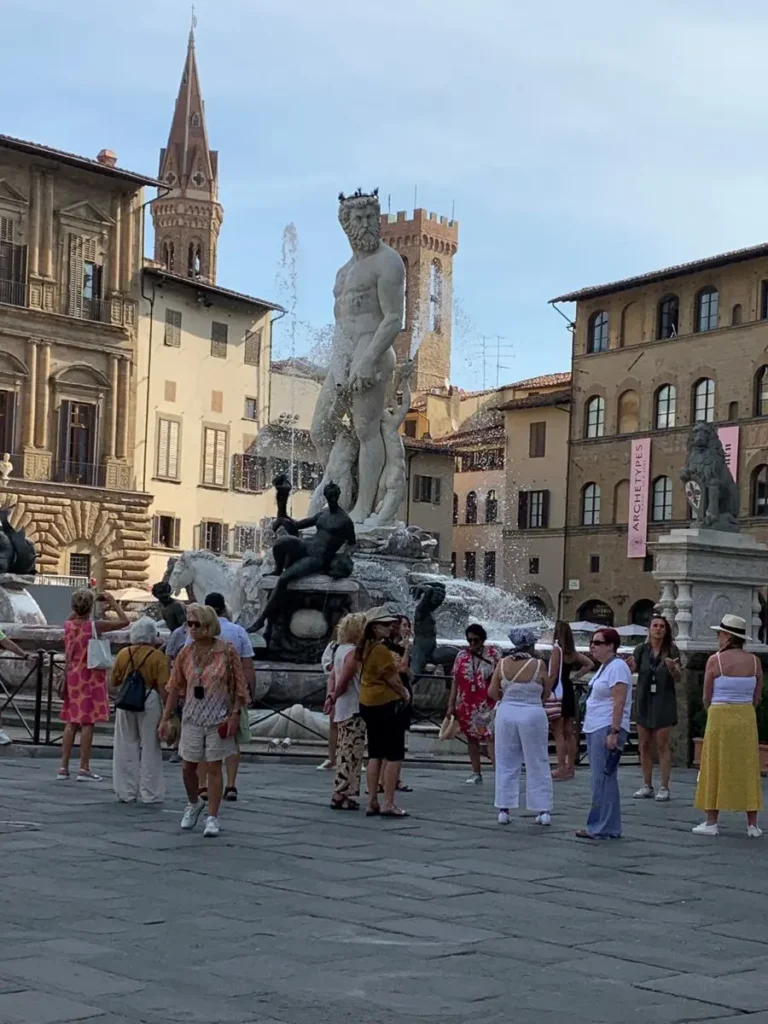
This Florence 3 day itinerary is built for first-time visitors who want the big sights, plus time to eat well, shop a little, and wander without a schedule.
You will see the Duomo, Uffizi, Accademia, Ponte Vecchio, Oltrarno, and still have space to breathe.
Most of the route is walkable for anyone with average fitness. Buses and trams help with hills and the airport. Each day has simple morning, afternoon, and evening ideas, plus ticket tips so you can skip long lines and stress.
Key Takeaways
- A 3-day Florence itinerary gives first-time visitors enough time to see the Duomo, Uffizi Gallery, Accademia (David), Ponte Vecchio, and Oltrarno at a relaxed pace.
- Day 1 focuses on the Duomo complex, Michelangelo’s David at the Accademia, San Lorenzo markets, and sunset views from Piazzale Michelangelo.
- Day 2 covers Piazza della Signoria, Palazzo Vecchio, a focused visit to the Uffizi Gallery, a walk across Ponte Vecchio, and dinner and drinks in the historic center.
- Day 3 slows down in the Oltrarno area with Santo Spirito, Pitti Palace, Boboli Gardens, local markets, and an optional short day trip to Fiesole, Pisa, Siena, San Gimignano, or Chianti.
- Staying in or near the historic center, booking major sights in advance, and using walking and public transit instead of a car keeps a 3-day Florence trip simple and low-stress.
Related Posts:
- The Ultimate 3-Day Itinerary in Rome
- The Perfect Italy Travel Guide For First-Time Visitors
- The Wild Story About Brunelleschi’s Dome
Florence Trip Basics: When To Go, How Long, What To Expect
Florence is compact, busy, and full of history. You can walk across the historic center in about 20 minutes, but there is a lot packed into those streets.
Is 3 Days in Florence Enough?
Three days is a sweet spot for many travelers. With a smart plan you can:
- Visit the Duomo complex and a dome or tower climb
- See Michelangelo’s David at the Accademia
- Visit the Uffizi Gallery
- Walk across Ponte Vecchio and along the Arno
- Explore Oltrarno, a market or two, and at least one big viewpoint
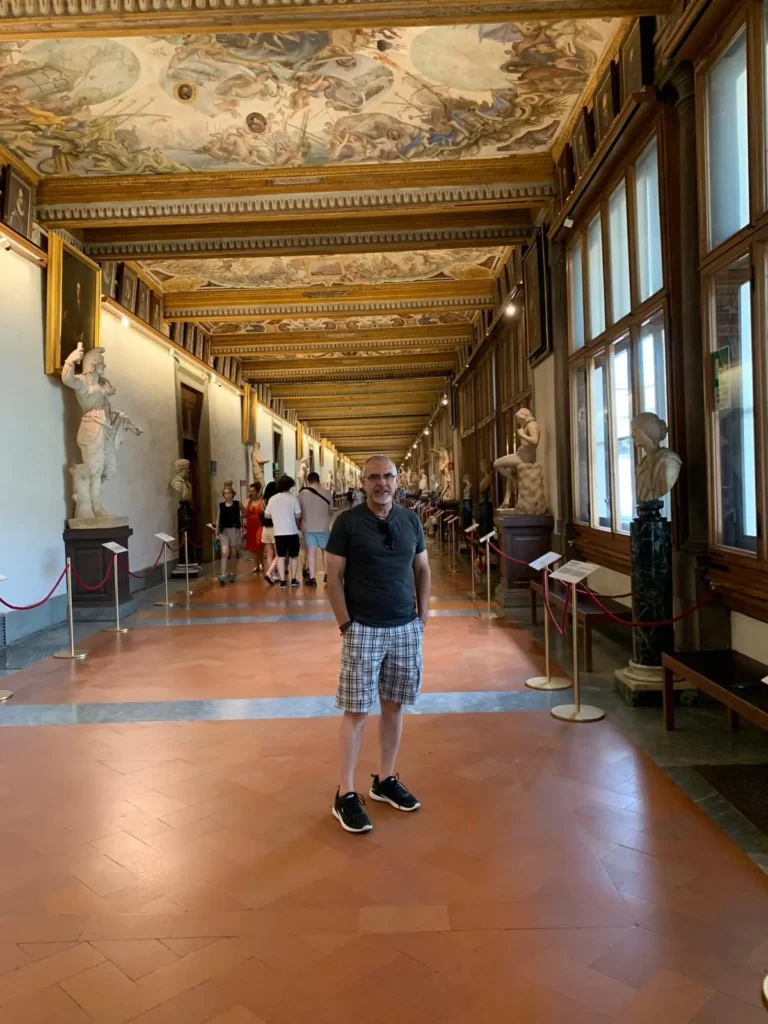
You will not see every church or museum, and that is fine. This 3 day itinerary focuses on the highlights without a rush.
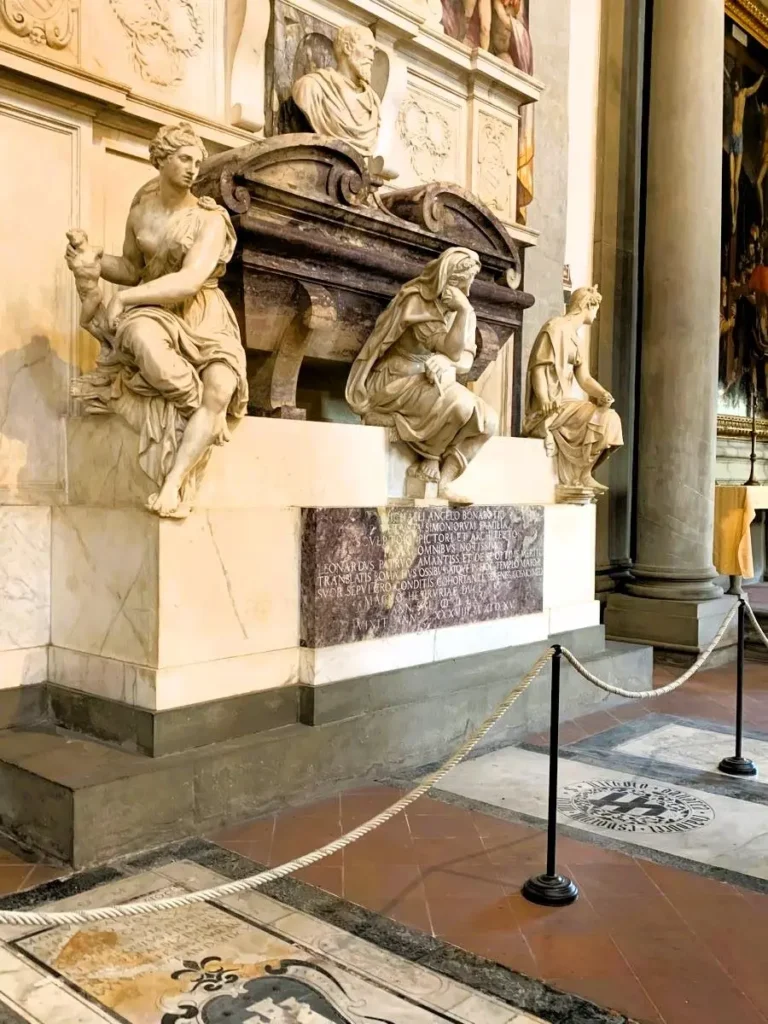
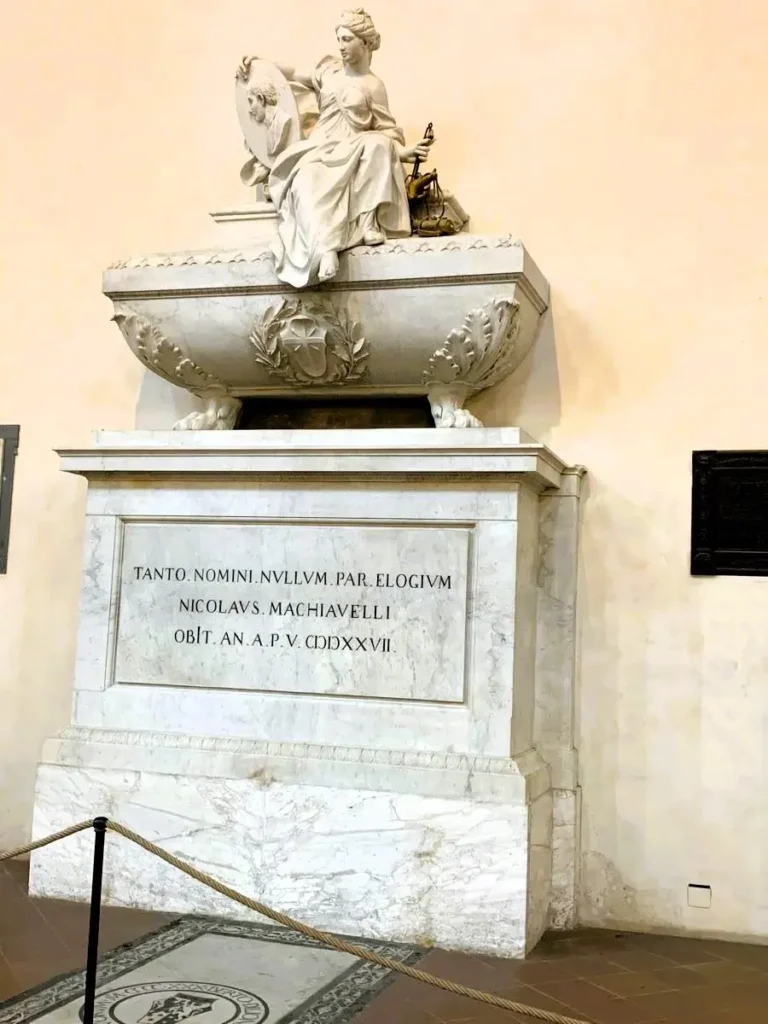
If you have more time, you could visit the Basilica of Santa Croce. It is often called “the Temple of the Italian Glories” because so many cultural icons are buried or honored here. You’ll find:
- Michelangelo’s tomb – Designed by Vasari, beautifully decorated with sculptures.
- Galileo Galilei’s tomb – The famous astronomer, honored after his controversial life.
- Niccolò Machiavelli – Political philosopher and author of The Prince.
- Gioachino Rossini – Composer of The Barber of Seville.
- Dante Alighieri memorial – Dante isn’t buried here (he’s in Ravenna), but Florence built him a grand cenotaph out of remorse.
These tombs line the side aisles and are a highlight for many visitors.
Add a 4th day if you:
- Travel with young kids or older relatives
- Want long, slow museum visits
- Plan more than one day trip into Tuscany
Planning an international, multi-city trip?
If you’re feeling overwhelmed by flights, routes, timing, or budgets, I put together a free step-by-step ebook to help you plan your trip with confidence.
Free • Instant access • Perfect for first-time travelers • unsubscribe anytime.
Best Time Of Year To Follow This 3 Day Itinerary
Spring (April to early June) and fall (September to October) bring mild weather, longer days, and busy but not crazy crowds.
Summer is hot and packed. Expect high temperatures, long lines, and higher hotel prices. Book tickets and rooms early if you visit in July or August.
Winter is quieter and cheaper. You will get shorter days and a higher chance of rain, but also fewer crowds.
Simple packing tips:
- Wear layers in spring and fall
- Bring a sun hat, sunglasses, and light clothing in summer
- Pack a warm coat, scarf, and small umbrella in winter
- Use good walking shoes all year
Advance booking matters more in peak months and on weekends.
Cash, Cards, Reservations, And Safety Basics
- Cards are widely accepted, but carry some euros for markets, small cafes, and gelato
- Book dinner reservations for popular spots, especially on Friday and Saturday
- Keep an eye on your bag in crowds, on buses, and in lines
- Tap water is safe to drink, so refill a bottle instead of buying new plastic ones
Florence feels safe for most visitors. Normal city awareness is enough.
Day 1 Florence Itinerary: Duomo, David, And A Classic Sunset View
Day 1 centers around Florence’s historic heart so you feel grounded right away.
Morning: Duomo Complex And Florence’s First Big Wow
Start your morning at the Duomo Complex. It includes:
- The cathedral of Santa Maria del Fiore
- Brunelleschi’s Dome
- The Baptistery
- Giotto’s Bell Tower
- The Opera del Duomo Museum
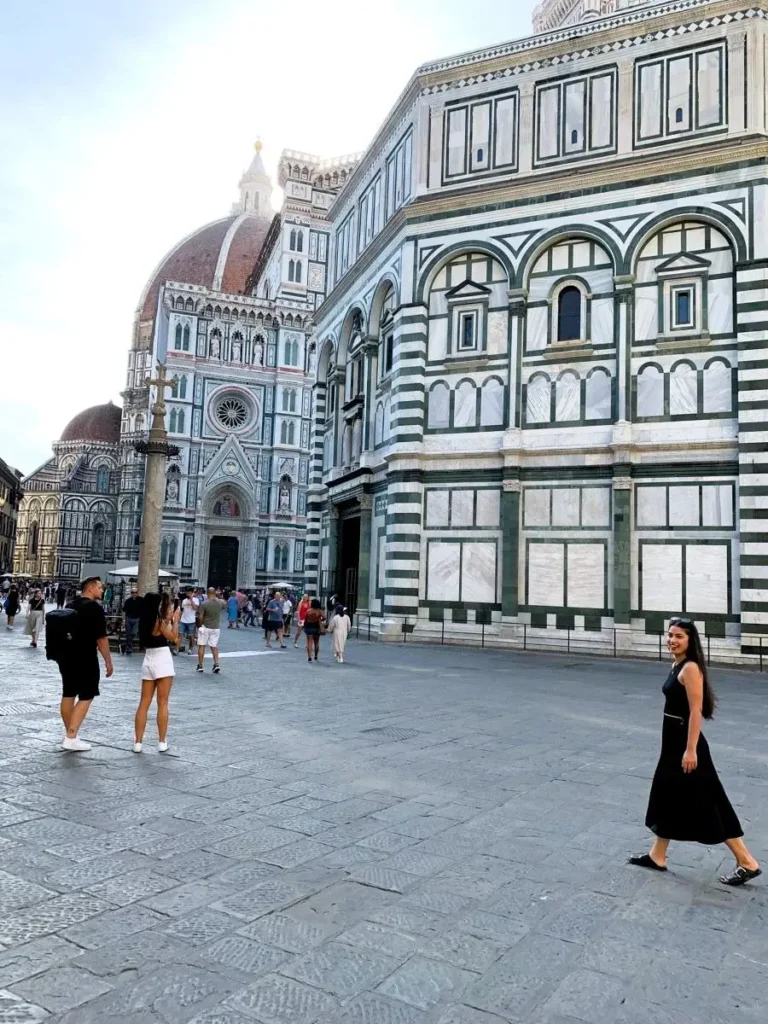
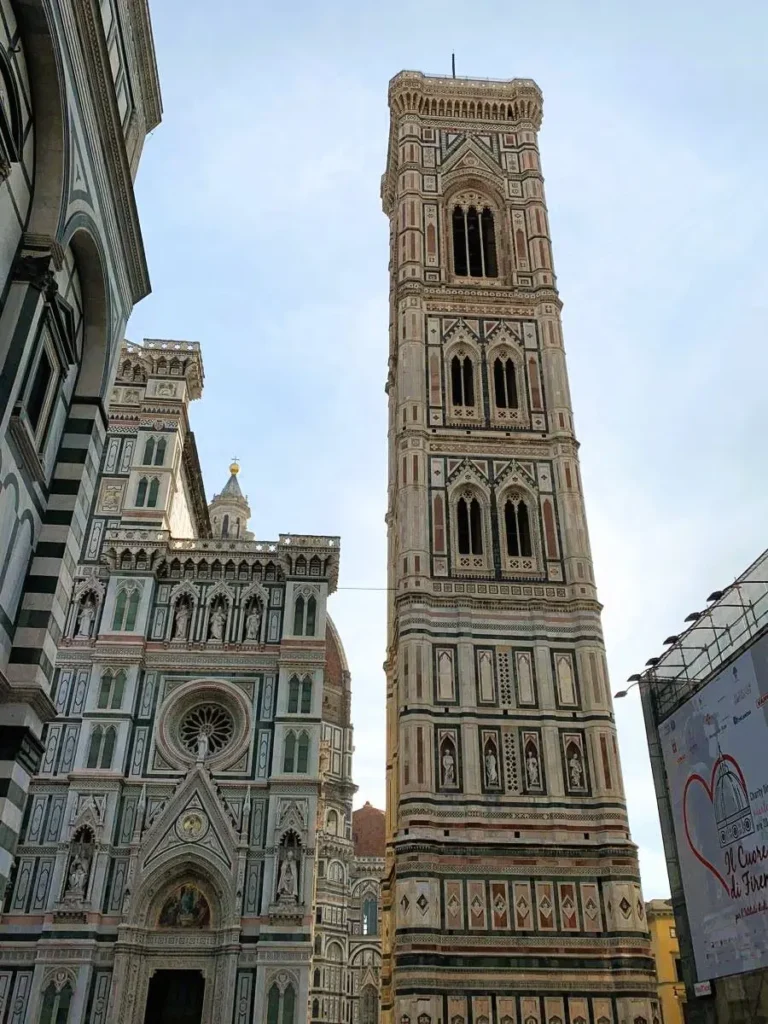
Cathedral of Santa Maria del Fiore (The Duomo)
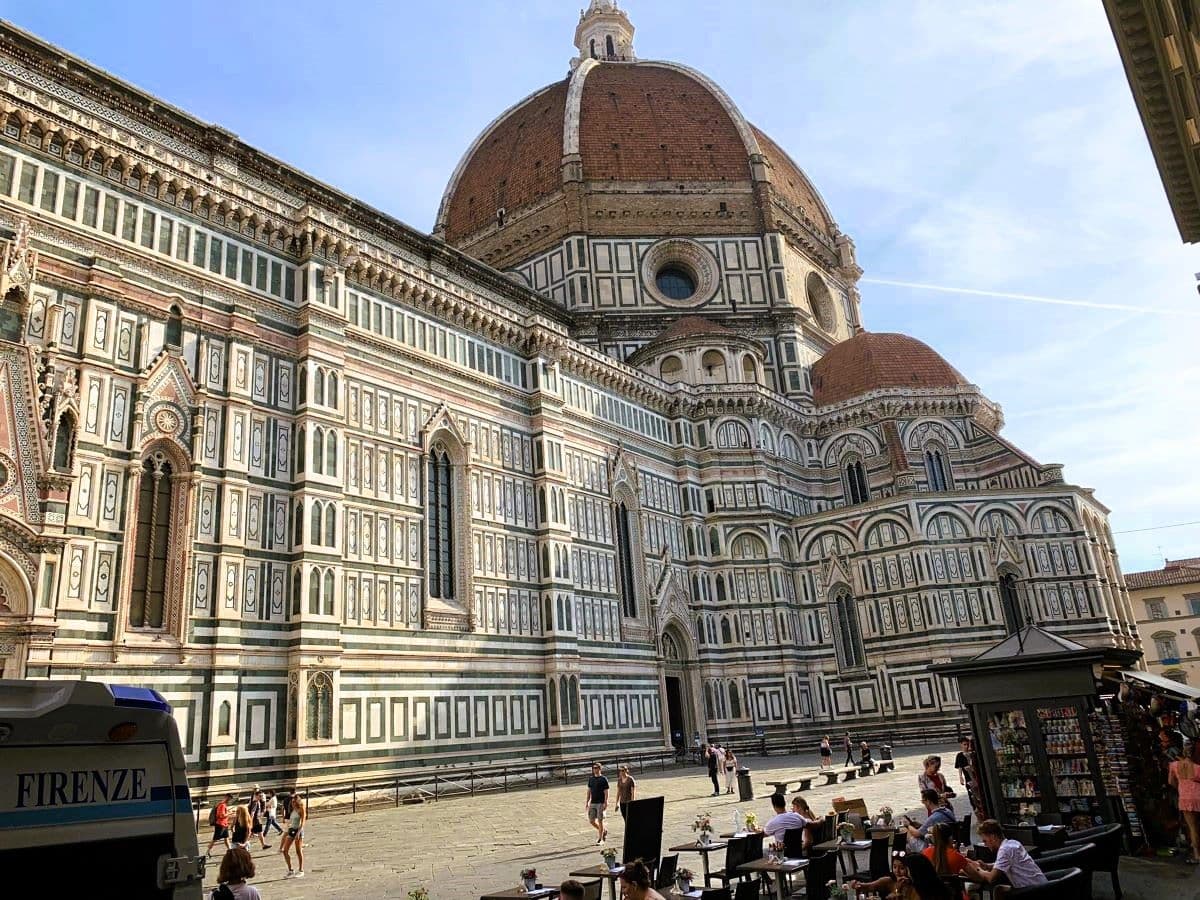
Florence’s cathedral is the kind of place that stops you in your tracks. Covered in green, pink, and white marble and crowned by Brunelleschi’s famous dome, the Duomo is the centerpiece of the city and one of the most recognizable churches in the world. Even if you’ve seen photos before, nothing compares to standing in front of it.
Why you should visit:
The Duomo is the heart of Florence and a masterpiece of medieval architecture. It’s huge, beautiful, and free to enter—so it’s an easy and essential stop for any itinerary. The combination of Gothic design, marble patterns, and its incredible dome makes this church unlike anything else in Europe.
What to see inside:
Once you step in, look for the patterned marble floors, the massive pillars, and Vasari’s dramatic Last Judgment fresco that fills the inside of the dome. The cathedral interior is relatively simple compared to the outside, but the size alone is jaw-dropping. If you’re exploring the full Duomo complex, this is your starting point.
Brunelleschi’s Dome
No visit to Florence is complete without getting up close to Brunelleschi’s Dome. When it was built in the 1400s, constructing a dome this large was considered impossible—but Brunelleschi figured out a way without modern machinery. The result became one of the greatest engineering achievements of the Renaissance.
Why you should visit:
Beyond admiring it from the square, you can actually climb inside the dome between its inner and outer shell. It’s a challenging climb, but the experience is unforgettable. You’ll walk through narrow passageways, pop out onto viewing balconies, and eventually reach one of the best viewpoints in Florence.
What to see:
As you climb, you’ll get incredibly close views of Vasari’s giant frescoes. At the top, you’ll step out onto a panoramic terrace overlooking terracotta rooftops, rolling hills, and the entire historic center. Bring your camera—this is one of Florence’s most rewarding climbs.
The Baptistery (Battistero di San Giovanni)
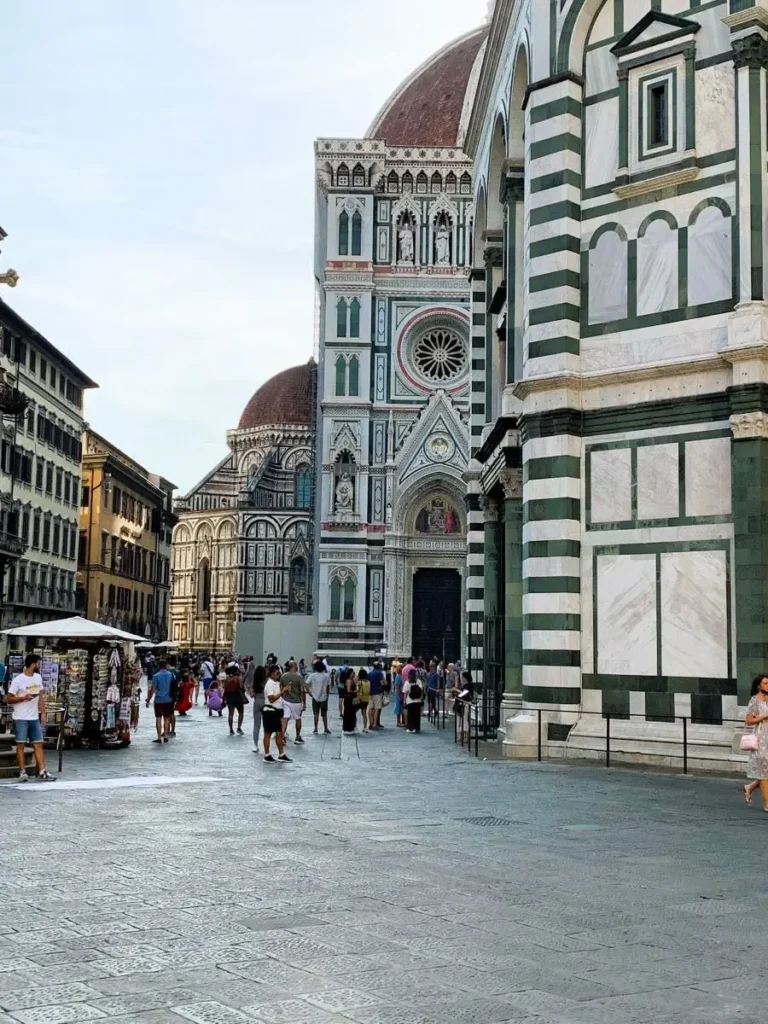
Right across from the cathedral is the Baptistery, one of Florence’s oldest religious buildings. Its octagonal shape and green-and-white marble design make it instantly recognizable, and for centuries, all Florentines—including Dante—were baptized here.
Why you should visit:
The Baptistery’s interior is covered in glittering gold mosaics that look like they belong in a Byzantine palace. The ceiling alone is worth the ticket, with scenes of the Last Judgment, angels, saints, and stories from the Bible. If you love art, architecture, or history, this small but stunning building is a must-see.
What to see:
Don’t miss the mosaic ceiling, the marble inlay floor, and the original or replica bronze doors. Ghiberti’s “Gates of Paradise” are especially famous—so famous that Michelangelo gave them that nickname. The originals are preserved in the Opera del Duomo Museum, but the ones on the Baptistery are beautiful reconstructions.
Giotto’s Bell Tower (Campanile di Giotto)
Standing beside the cathedral like a marble tower of lace, Giotto’s Bell Tower is one of the most elegant buildings in Florence. Clad in colorful marble and decorated with sculpted panels, it’s a work of art from top to bottom.
Why you should visit:
If you want amazing photos of Brunelleschi’s Dome, this is where you get them. Climbing Giotto’s Bell Tower gives you a perfect view of the Dome—something you won’t see when you’re standing on top of it. The climb is steep but worth every step.
What to see:
As you ascend the 414 steps, you’ll pass multiple viewing terraces where you can catch your breath and snap pictures of the Cathedral and Piazza del Duomo. At the top, you’ll find one of the best 360° views in the entire city.
Opera del Duomo Museum (Museo dell’Opera del Duomo)
After seeing the cathedral, dome, bell tower, and Baptistery, this museum ties everything together. The Opera del Duomo Museum holds the original sculptures, artwork, and architectural elements that once decorated the Duomo complex.
Why you should visit:
It’s quiet, beautifully designed, and incredibly informative. If you want to understand how the cathedral was built or see masterpieces without crowds, this is the place. It also contains some of the most important works of Renaissance art.
What to see:
Highlights include Michelangelo’s moving Pietà, Donatello’s haunting Magdalene, and Ghiberti’s original golden Gates of Paradise. The full-scale reconstruction of the cathedral’s old medieval façade is a showstopper and offers a rare chance to see how Florence once looked. Allow at least an hour to wander—more if you love art and architecture.
You can buy single tickets or passes, such as the Brunelleschi Pass, which cover several parts of the complex over 3 days. The official Florence Duomo tickets site explains current options and prices.
Key tips:
- Make reservations in advance for the dome climb to skip the line, especially in spring and summer
- Aim for an early morning slot to avoid heat and crowds
- Expect lots of steps, narrow stairways, and no elevator, so it may not suit everyone
- The cathedral has a dress code: shoulders and knees covered
If you are not up for a climb, consider the museum and Baptistery instead. The museum has many original statues and doors that once stood outside.
Lunch And A First Taste Of Florentine Food
For lunch, stay close to the Duomo and San Lorenzo area. You have a few easy choices:
- A simple trattoria for a sit-down plate of pasta or soup
- A quick panino from a sandwich shop
- Casual stalls in Mercato Centrale upstairs or the outdoor San Lorenzo Market area
Classic dishes to try on day 1:
- Ribollita, a thick bread and vegetable soup
- Pappa al pomodoro, tomato and bread soup with olive oil
- Schiacciata, flat bread often used for sandwiches
Keep lunch light if you plan a dome or tower climb later in the day.
Afternoon: Galleria dell’Accademia And Michelangelo’s David
After lunch, walk to the Galleria dell’Accademia to meet Michelangelo’s David.
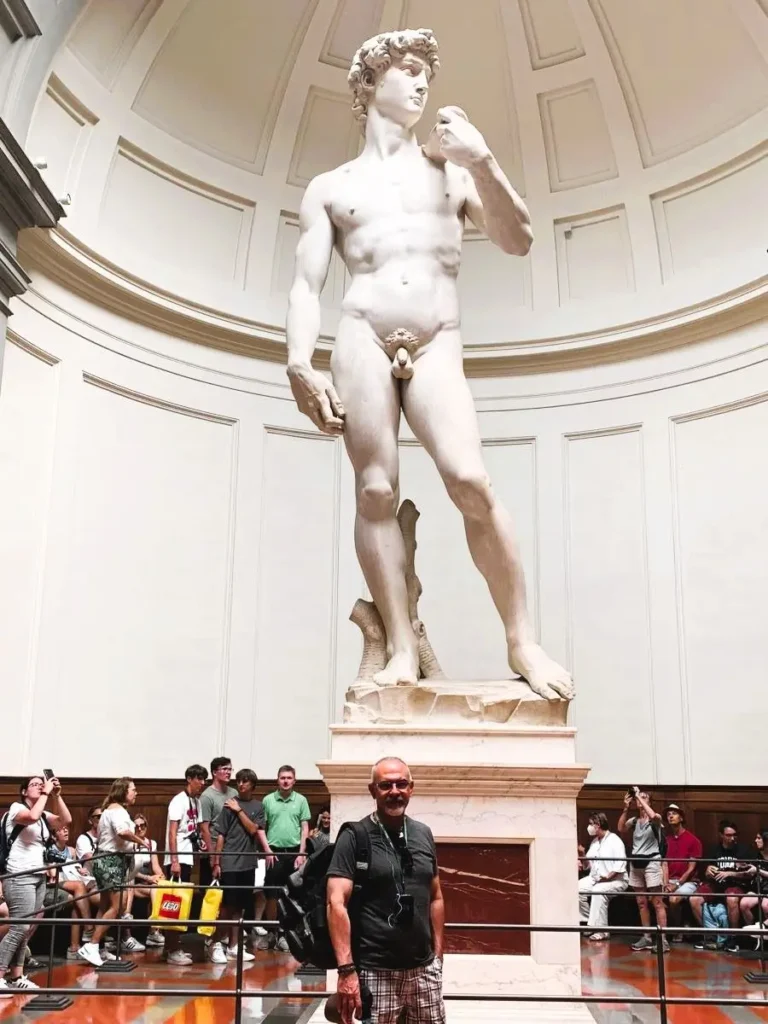
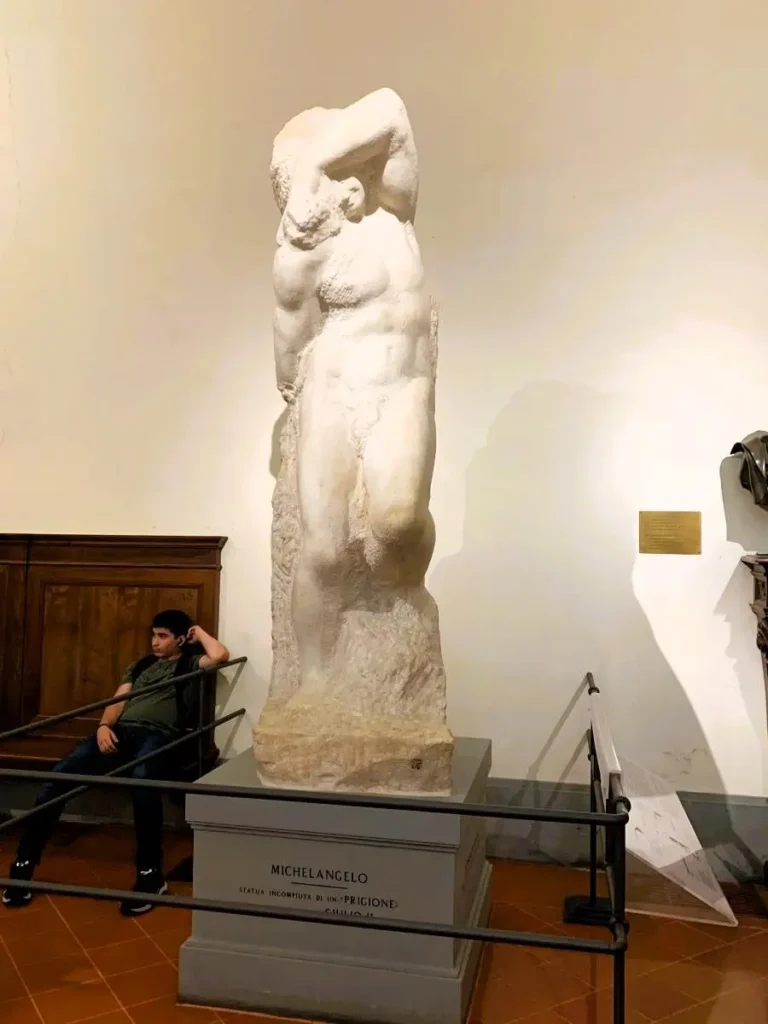
You need a timed entry ticket in busy seasons. Prebook a slot online and try to arrive about 15 to 20 minutes early. A typical visit takes 60 to 90 minutes.
Focus on:
- The David statue at the end of the main hall
- The “Prisoners” or “Slaves,” unfinished works that show the figures “struggling” to leave the stone
- A few rooms of paintings if you still have energy
If you do not enjoy long museum visits, this is a good one. It is small, easy to handle, and very clear in its highlights. You can also join a short guided tour if you like more context.
Late Afternoon Stroll: San Lorenzo, Shopping, And Gelato
From the Galleria dell’Accademia, wander back toward San Lorenzo and the center.
You can:
- Walk through the leather stalls near San Lorenzo Market
- Visit the Medici Chapels of the Medici family if time allows
- Pick up early souvenirs like belts, wallets, or small art prints
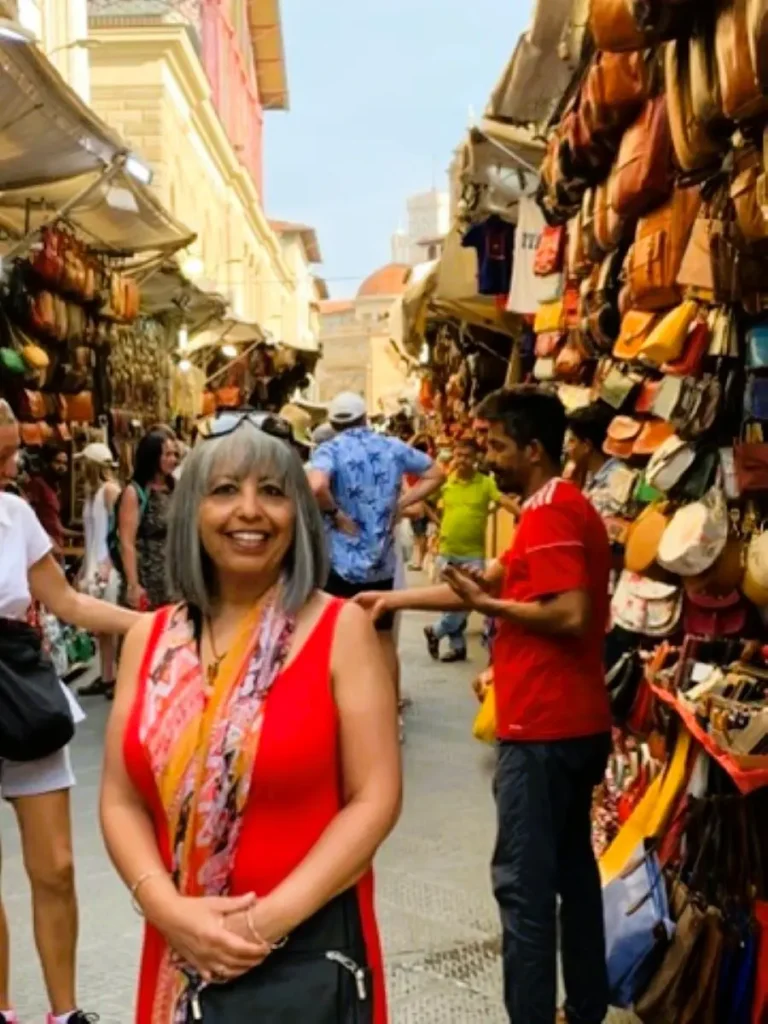
Be careful with very cheap leather. Good pieces usually cost more and feel softer and thicker.
Now is a perfect time for your first gelato. As a rule, avoid huge, neon-colored mountains in open tubs. Look for natural colors and gelato stored in metal bins with lids.
Evening: Rose Garden Walk And Sunset At Piazzale Michelangelo
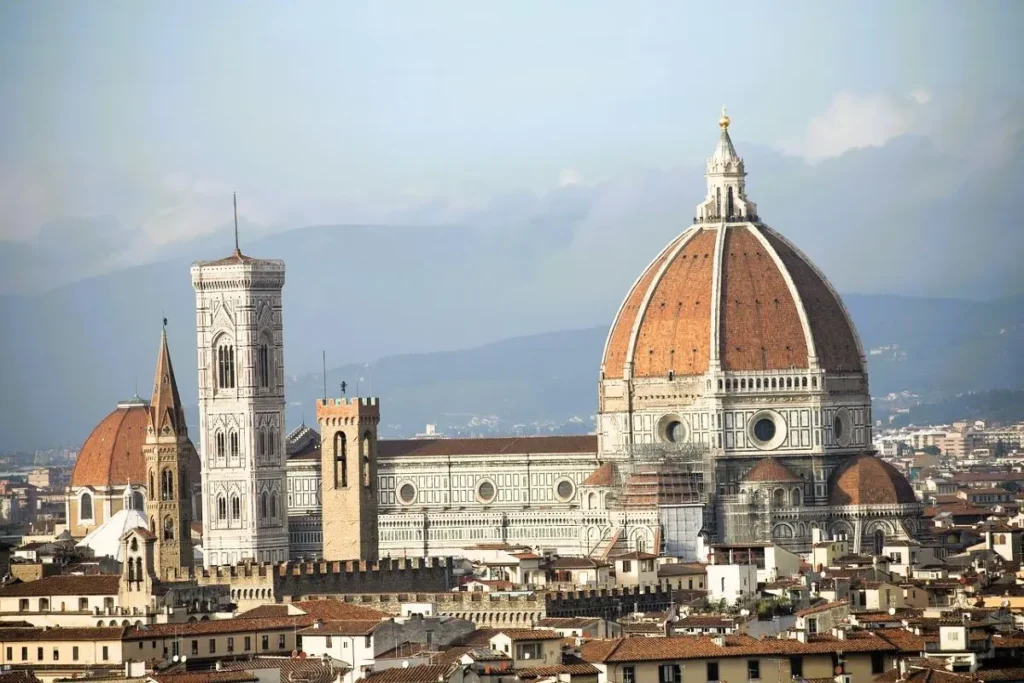
For your first sunset, head to Piazzale Michelangelo for the postcard view over Florence.
You can:
- Walk up from the river through the San Niccolò area and the Rose Garden
- Or take bus 12 or 13 up the hill, then walk down later
Try to arrive 40 minutes before sunset so you can find a spot and enjoy the change in light.
The square is busy, but the view of the dome and the river is incredible. The Rose Garden offers a quieter pause if you want a break from the crowd.
After sunset, stay on the Oltrarno side for dinner or walk back into the center. Both sides have plenty of trattorias and wine bars.
Day 2 Florence Itinerary: Uffizi, Ponte Vecchio, And Hidden Corners
Day 2 brings the big art, river views, and some of Florence’s most famous streets.
Morning: Historic Squares, Palazzo Vecchio, And Outdoor Art
Start near the Duomo and walk down to Piazza della Signoria, one of the key squares in Florence.
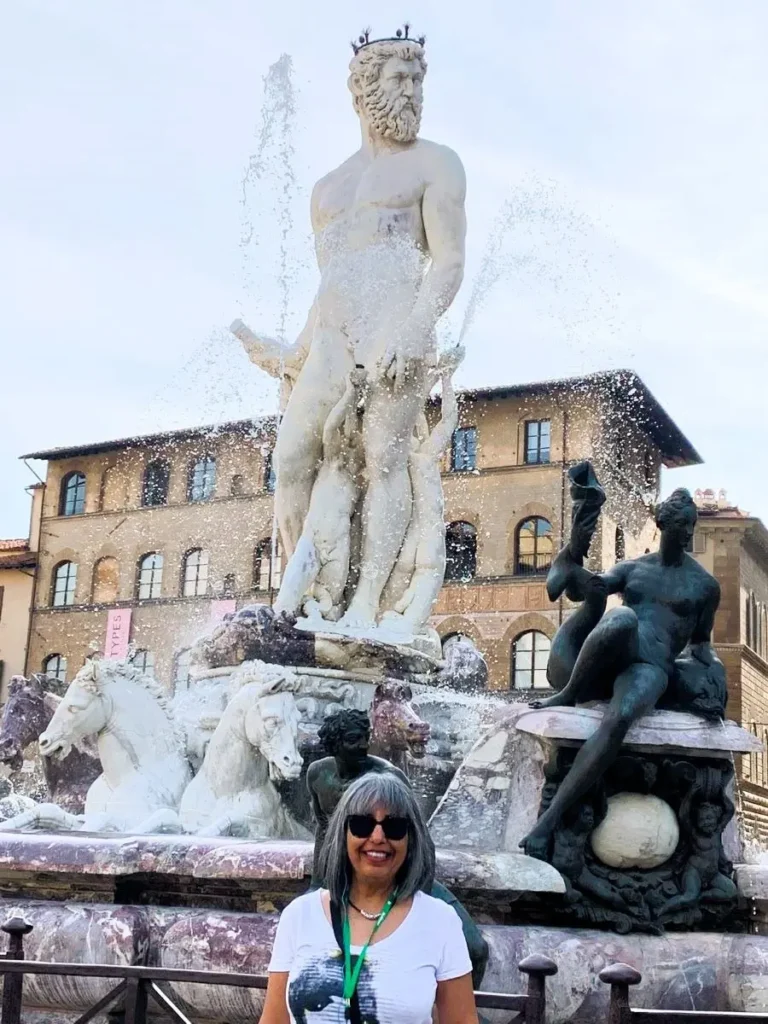
In the square you will see:
- A copy of Michelangelo’s David
- The Neptune fountain
- The open-air statues of Loggia dei Lanzi
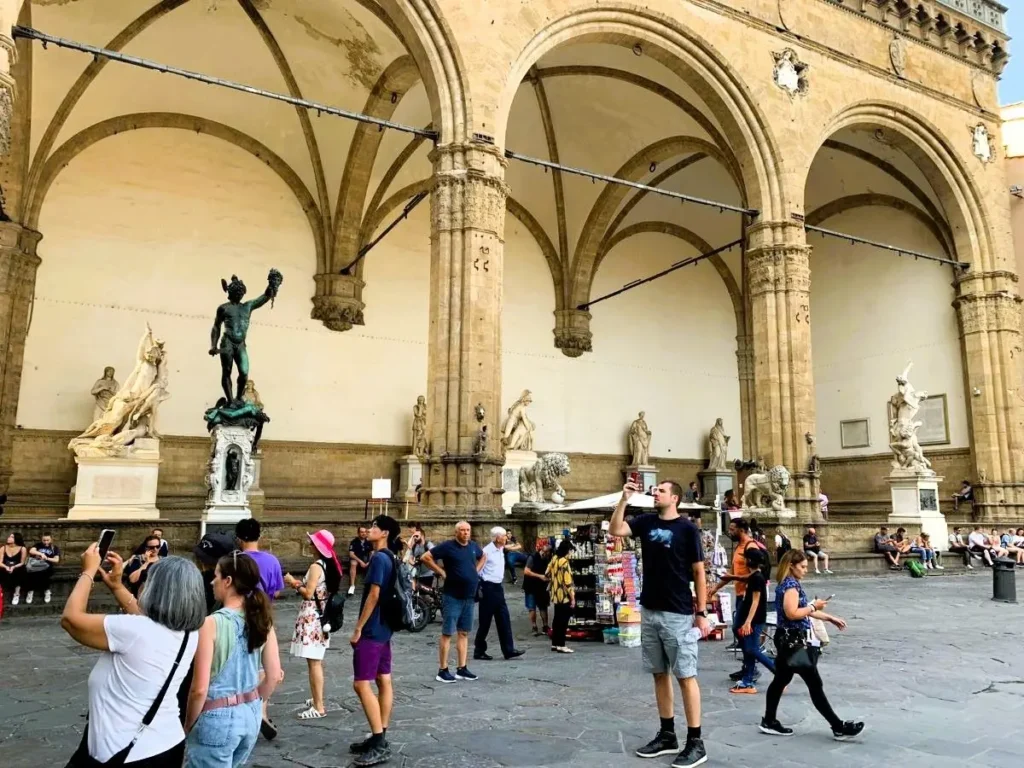
Palazzo Vecchio sits on one side of the square. You can:
- Visit the courtyard for free
- Buy a ticket for the museum
- Add a tower climb for more views
Book ahead in peak months if you want the museum and tower, since spots can sell out. If you feel museum fatigue, enjoy the square as an “open-air gallery” and save your energy for the Uffizi.
Afternoon: How To Visit The Uffizi Gallery Without Burning Out
From Piazza della Signoria, the Uffizi Gallery is only a few minutes away.
You need timed tickets here too, which let you skip the line during busy times. Late morning or early afternoon slots work well. For help with reservations and how far in advance to book, take a look at this guide to making museum reservations in Florence.
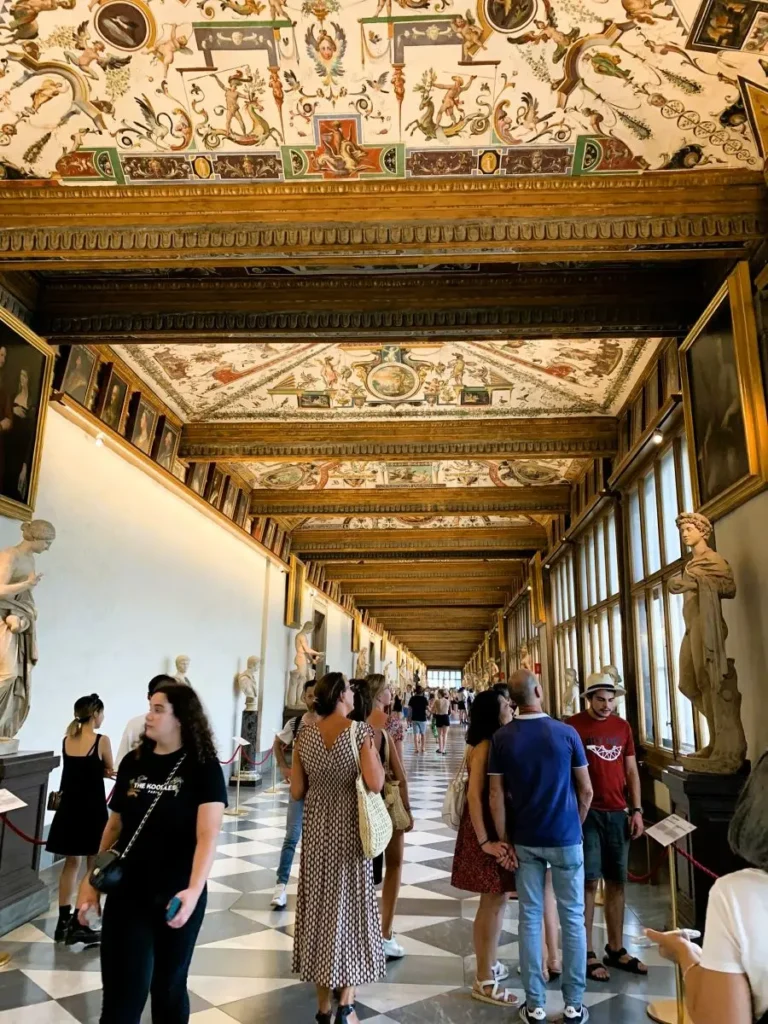
Inside the Uffizi Gallery, first-timers usually focus on:
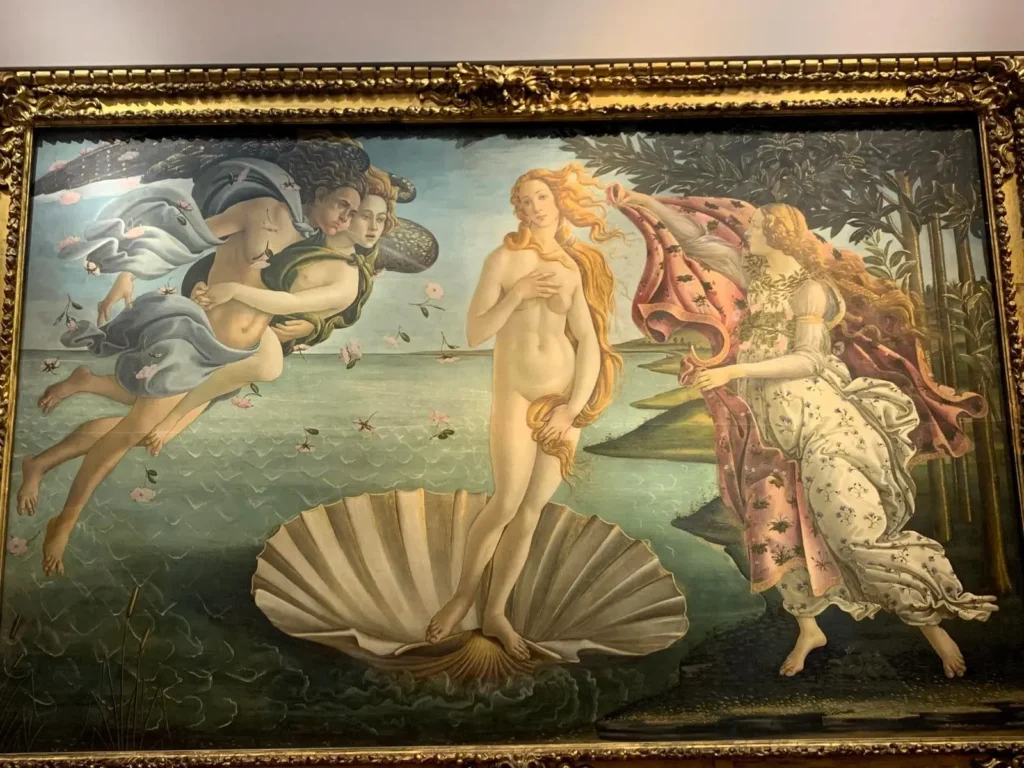
- Renaissance art like Botticelli’s “Birth of Venus” and “Primavera”
- Works by Leonardo da Vinci and Michelangelo
- Rooms with Caravaggio and other later artists
Aim for 2 to 3 hours, but leave earlier if you feel done. You can:
- Rent an audio guide
- Follow a “highlights” map
- Join a small group tour if you want a clear route
The top-floor cafe has windows with river views, which makes a nice break.
Late Afternoon: Stroll Across Ponte Vecchio And Along The Arno
After the Uffizi, walk down to the river and cross the Ponte Vecchio.
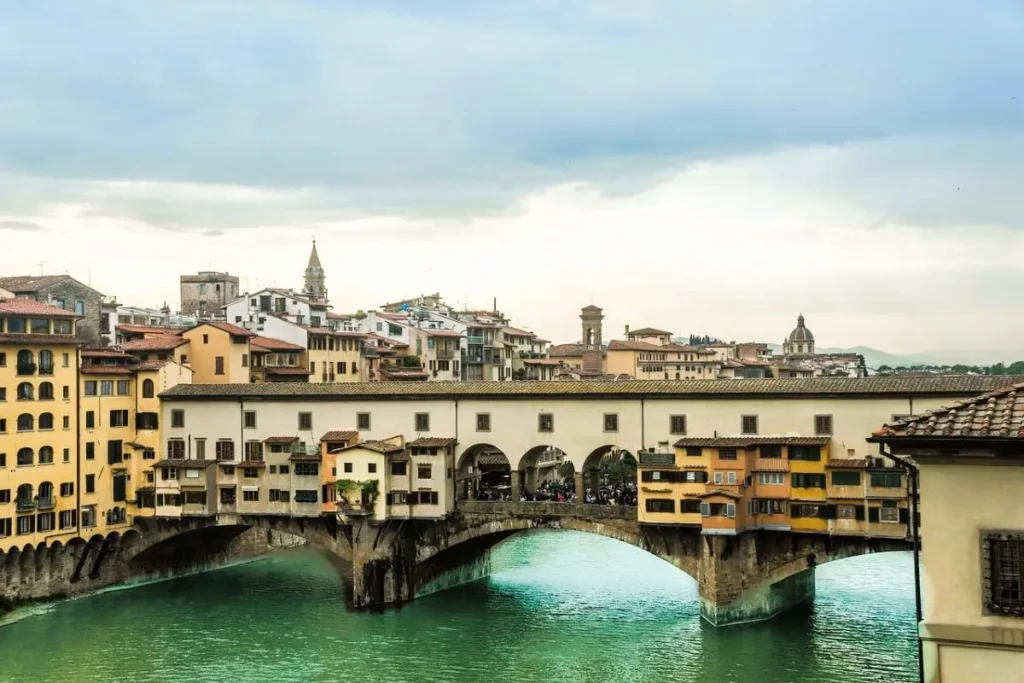
The bridge itself has small jewelry shops and feels crowded, but the views up and down the Arno are lovely. You will often see street musicians here too.
For calmer photos, walk a little way along the river on both sides. Just beyond Ponte Vecchio in either direction it gets quieter and more relaxed.
Evening: Dinner, Wine, And Night Views In The Historic Center
For your evening, pick a simple plan:
- Aperitivo (a drink with snacks) near the river or in a smaller piazza
- Dinner in the center or near Santa Croce
Classic Tuscan dishes to try:
- Bistecca alla Fiorentina, thick T-bone steak, often shared
- Pappardelle al cinghiale, pasta with wild boar sauce
- Crostini, small toasted bread with toppings like chicken liver
Locals eat later than in some countries. A 7:30 or 8:00 pm dinner is normal.
End the night with a slow walk through the lit streets and across a bridge. Many day-trippers have gone, and the city feels softer and calmer.
Day 3 Florence Itinerary: Oltrarno, Gardens, Markets, And Day Trip Options
Day 3 lets you slow down, explore Florence’s local areas, and add a bit of Tuscany if you want.
Morning: Artisan Oltrarno, Santo Spirito, And Local Coffee Spots
Cross the river into the Oltrarno neighborhood and start around Piazza Santo Spirito.
Grab coffee and a pastry at a neighborhood bar. Standing at the counter is cheaper than sitting.
Then wander the side streets. This area has:
- Artisan workshops and small studios
- Tiny galleries
- Quieter streets with more local life
The vibe feels less polished and more lived-in than the area around the Duomo, which balances your trip nicely.
Late Morning To Early Afternoon: Pitti Palace And Boboli Gardens
From Santo Spirito, it is a short walk to Pitti Palace and Boboli Gardens.
Pitti Palace holds:
- Former royal apartments
- Painting galleries
- Rotating collections like costumes or silver
Behind the palace, Boboli Gardens offer:
- Wide paths and shaded walks
- Fountains and sculptures
- Great city views from higher points
You can buy combined tickets that cover palace and gardens. Plan about 1.5 to 2 hours for the palace and at least 1 hour for the gardens.
If the Uffizi felt too crowded, Boboli is a nice change, with space and fresh air.
Lunch And Food Markets: Eat Like A Local On Day 3
For lunch, stay in the Oltrarno neighborhood or head to a market.
Options include:
- Pizza or simple trattorias in side streets
- Street food like lampredotto, a traditional tripe sandwich
- Mercato Centrale or Sant’Ambrogio Market for casual stalls and local dishes
Look for local favorites:
- Schiacciata sandwiches
- Coccoli, fried dough balls often served with ham and cheese
- Plates of local cheeses and cured meats
Market tips:
- Go a bit early or later than 1 pm to dodge the biggest rush
- Carry some cash, as not all stalls take cards
- Keep your bag zipped and in front of you in tight crowds
Afternoon Choice: More Florence Or A Taste Of Tuscany
For your last afternoon, pick one of these options so you stay relaxed.
- More art and churches
Go back to a museum or church you rushed earlier. Maybe you return to the Duomo Museum, climb a tower you skipped, or visit Santa Croce or Santa Maria Novella. - Shopping and souvenirs
Spend time in leather shops, paper stores with handmade notebooks, ceramics studios, or food shops. Look for good-quality leather and avoid items that feel stiff or have strong chemical smells. - Day trip
- Take the bus to Fiesole for hill views, Etruscan history, and a quiet feel
- Take the train to Pisa for the Leaning Tower and the Field of Miracles, Siena for its medieval streets, or San Gimignano for its iconic towers
- Book a small group tour in the Chianti wine region for vineyards, tastings, and the Tuscan countryside
Try not to squeeze in more than one of these, or the afternoon will feel rushed.
Last Night In Florence: Sunset, Views, And A Farewell Dinner
On your final night, keep things simple.
You might:
- Return to your favorite viewpoint, like Piazzale Michelangelo or Ponte Vecchio
- Try a new neighborhood for dinner, such as Santa Croce
- Pick up last snacks, such as biscotti, chocolate, or olive oil, to take home
Take a slow walk after dinner and pay attention to the sounds and light. That quiet time will stay in your memory longer than one more rushed museum.
Tickets And Reservations in Advance: How To Avoid Lines And Stress
A bit of planning makes a big difference in Florence, especially in busy months.
Must Book In Advance: Duomo Dome, Uffizi Gallery, Galleria dell’Accademia, And Popular Tours
Book ahead for:
- Duomo dome climb
- Uffizi Gallery timed entry
- Galleria dell’Accademia timed entry
- Some Pitti Palace time slots
- Popular guided tours, considering a cooking class
In peak summer, aim to book a few weeks in advance. In spring and fall, a few days ahead is often fine, especially midweek.
Use official websites when you can, or trusted ticket partners linked from them. Kids, students, and some visitors may get discounts, so bring a photo ID.
For another sample trip plan and booking tips, you can also look at this 3 Days in Florence.
Flexible Tickets And City Passes: Are They Worth It For 3 Days in Florence?
City and combo passes might include:
- Duomo complex tickets in different bundles
- Combined museum entries over several days
They can save money if:
- You plan to visit many paid sights in a short time
- You like long museum sessions
If you only want the key highlights and short visits, single tickets may work better and feel simpler.
Tips For Lines, Security Checks, And Peak Hours
- Reach timed entries 15 to 30 minutes early
- Expect bag checks at big museums and the Duomo
- Avoid the hottest hours in summer for climbs and long queues
- Use early mornings or later afternoons for the busiest sights
Churches may have shorter hours on Sundays and religious holidays, so check times before you go.
Where to Stay in Florence for a 3 Day Trip
Your base can shape how tired or relaxed you feel.
Centro Storico: Best Area For First Time Visitors
The Historic center is ideal for a classic 3 day itinerary.
Pros:
- Walk to almost every major sight
- Big choice of restaurants, shops, and gelato
- Little need for transport
Cons:
- Tourist crowds and higher prices
- More noise at night, especially on main streets
Great for first-timers, short trips, and anyone who wants to avoid buses.
Santa Croce: Local Feel And Great Food Close To The Action
Santa Croce sits just east of the center.
- Easy walk to the Duomo and Uffizi
- Plenty of trattorias, bars, and small shops
- Mix of locals and visitors
Some streets get noisy at night, so look for rooms on smaller side streets if that bothers you. This area suits social travelers who like evening life.
Oltrarno: Artisan Streets, Views, And A More Relaxed Vibe
Across the river in the Oltrarno neighborhood (including Santo Spirito and San Frediano) feels a bit more low-key.
- Close to Pitti Palace, Boboli Gardens, and the walk to Piazzale Michelangelo
- Strong food scene with many local spots
- Good for couples and repeat visitors
You will walk more to reach the Duomo and Uffizi, or use short bus or taxi rides.
San Lorenzo And Santa Maria Novella: Handy For Trains And Markets
These areas sit near the markets and main station.
San Lorenzo:
- Close to Mercato Centrale and the leather market
- Easy walk to the Duomo
- Mix of budget and mid-range hotels
Santa Maria Novella:
- Very close to trains and the airport tram
- Wide range of hotels and guesthouses
- Handy if you have early or late trains
Both work well for budget travelers and anyone planning day trips by train.
Getting Around Florence: Walk, Tram, Bus, Taxi, Or Tour?
Most of this Florence itinerary is on foot, with a few helpful rides.
Walking: The Easiest Way To Follow This Itinerary
The historic center is compact.
Rough walking times:
- Duomo to Uffizi: about 8 to 10 minutes
- Uffizi to Ponte Vecchio: about 5 minutes
- Duomo to Accademia: about 10 minutes
Wear good shoes and watch for uneven stone streets. If you travel with kids or older relatives, add extra time and more breaks.
Using Trams And Buses In Florence
You probably only need a few lines:
- T2 tram, from the airport to Santa Maria Novella station
- Buses 12 and 13, for Piazzale Michelangelo
- Bus 7, to reach Fiesole
Bus and tram tickets are shared. You can buy them at tabacchi shops, some newsstands, machines, and sometimes by app. Tickets usually last a set time, like 90 minutes.
Always validate your ticket when you get on. Inspectors do check, and fines are high.
Taxis, Rides, And Car Rentals In The City
Cars are not helpful in central Florence, because of the ZTL (limited traffic zone) and narrow streets. Driving into the wrong area can lead to fines.
Use taxis for:
- Very early or late rides
- Heavy luggage
- Trips that do not work well by bus or tram
You do not need a car for this Florence 3-day itinerary. If you rent one for the countryside, pick it up after your city stay or from a location outside the center.
Food, Coffee, Gelato, And Shopping Tips For Your 3 Days In Florence
Think of this as advice from a friend who has already made a few mistakes for you.
How To Eat Well Without Blowing Your Budget
Simple ways to save money and still eat well:
- Mix sit-down meals with market lunches and street food
- Look for places with local customers, not just tourists
- Be careful with restaurants that have pushy staff right on the busiest squares
- Check prices before you sit down
Daily rhythm:
- Light breakfast at a bar, usually coffee and a pastry
- Bigger lunch and dinner
- Gelato or snacks in the afternoon or evening
House wine in carafes is often good and cheaper than bottles.
Must Try Florentine Foods And Drinks on Your 3 Day Itinerary in Florence
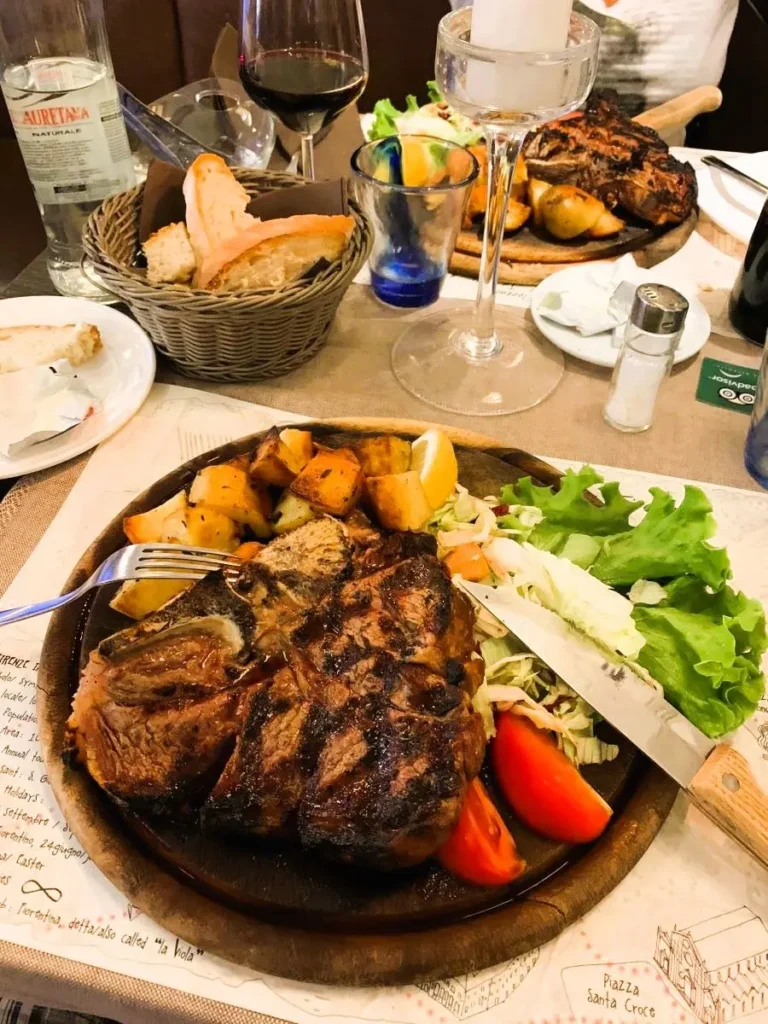
Here are some things to look for on menus:
- Bistecca alla Fiorentina: large T-bone steak, cooked rare, often shared
- Ribollita: thick bread and vegetable soup
- Pappa al pomodoro: tomato and bread soup with olive oil
- Lampredotto: slow-cooked tripe sandwich, sold at street stalls
- Pappardelle al cinghiale: wide pasta with wild boar sauce
- Coccoli: small fried dough balls, often with prosciutto and cheese
- Schiacciata: flat bread, great in sandwiches
- Cantucci with Vin Santo: almond cookies dipped in sweet dessert wine
Chianti wine comes from the nearby hills, and many places serve local options by the glass.
For more ideas on how to mix food, wine, and sightseeing, check out this full 3 days food-focused guide.
Finding Good Gelato And Coffee
Good gelato should:
- Have natural colors, not bright neon shades
- Sit at or below the tub edge, not in huge piles
- Often be stored in metal bins with lids
For coffee in a bar:
- Order espresso, macchiato, or cappuccino in the morning
- Pay at the till first, then give the receipt to the barista if asked
- Stand at the counter if you want the cheaper “al banco” price
Cappuccino after late morning is not common for locals, but nobody will yell at you if you really want one.
Best Things To Buy: Leather, Crafts, And Edible Souvenirs
Great buys in Florence include:
- Leather bags, belts, and jackets
- Handmade notebooks and marbled paper
- Jewelry, especially around Ponte Vecchio
- Painted ceramics and small art prints
- Scarves and wool items
- Food gifts like olive oil, truffle salt, dried pasta, and sweets
Beware of very cheap “leather” on tourist stalls. Real leather usually smells natural and feels soft, not plasticky.
Check your airline rules for liquids and food in luggage before you stock up.
Frequently Asked Questions About a 3 Day Florence Itinerary
Is 3 days in Florence enough for a first-time visit?
Yes, 3 days in Florence is enough for a first-time trip if you follow a clear plan. In 3 days you can see the Duomo complex, climb either the dome or Giotto’s Bell Tower, visit the Uffizi Gallery and Galleria dell’Accademia, walk across Ponte Vecchio, explore the Oltrarno area, and enjoy at least one great viewpoint like Piazzale Michelangelo.
You will not see every church and museum, but you will cover the main highlights without feeling rushed.
What should I prioritize in a 3-day Florence itinerary?
For a 3-day stay, focus on the big sights and a few local areas. Priorities usually include the Duomo complex (cathedral, dome or tower, Baptistery, Opera del Duomo Museum), Galleria dell’Accademia for Michelangelo’s David, the Uffizi Gallery, Piazza della Signoria and Palazzo Vecchio, Ponte Vecchio and the Arno riverfront, Oltrarno and Santo Spirito, Pitti Palace and Boboli Gardens, and at least one city view like Piazzale Michelangelo or Fiesole. Add markets, food stops, and shopping around these anchors.
When is the best time of year to follow this 3-day Florence itinerary?
Spring (April to early June) and fall (September to October) work best for this 3-day Florence itinerary. You get mild weather, longer days, and busy but manageable crowds. Summer is very hot and crowded, with long lines and higher prices, so advance reservations are essential. Winter is cheaper and quieter, with shorter days and more rain, but fewer crowds at museums and churches.
Do I need to book tickets in advance for Florence attractions?
You should book in advance for the main sights, especially in spring, summer, and on weekends. Make reservations for the Duomo dome climb, Uffizi Gallery timed entry, Galleria dell’Accademia timed entry, and some Pitti Palace time slots or popular tours.
In peak summer, book a few weeks ahead.
In shoulder seasons, a few days are often enough. Use official ticket sites or trusted partners linked from them, and arrive 15 to 30 minutes before your time.
Where is the best area to stay in Florence for 3 days?
For a first 3-day trip, the historic center (Centro Storico) is the easiest base because you can walk to almost every major sight.
- Santa Croce is a good choice if you want great food and nightlife close to the center.
- Oltrarno suits travelers who prefer a more local, relaxed feel near Pitti Palace, Boboli Gardens, and artisan shops.
- San Lorenzo and Santa Maria Novella are good choices if you want quick access to the train station and markets, or if you plan day trips by train.
Conclusion: Make This Florence 3 Day Itinerary Your Own
You now have a clear 3 Days in Florence that covers big sights, great views, and plenty of good food.
Day 1 is for the icons, like Brunelleschi’s Dome and David.
Day 2 blends world-class art like the Uffizi Gallery with river walks and night views.
Day 3 slows down for Oltrarno, gardens, markets, and maybe a taste of Tuscany.
Use this plan as a backbone, not a strict rulebook. Swap sights around, add extra coffee breaks, and leave space for random side streets and quiet piazzas. Florence rewards slow moments as much as famous museums, so let yourself wander and enjoy the city at your own pace.
Planning an international, multi-city trip?
If you’re feeling overwhelmed by flights, routes, timing, or budgets, I put together a free step-by-step ebook to help you plan your trip with confidence.
Free • Instant access • Perfect for first-time travelers • unsubscribe anytime.
Recent Posts:
-
Best Areas to Stay in Amsterdam for First-Time Visitors
In this guide, I’ll walk you through the best areas to stay in Amsterdam, which each one is best for, and specific hotel options to help you find the perfect fit. The strongest choices are usually Centrum, Jordaan, the Museum Quarter, and De Pijp. Each has a distinct mood. The comparison below makes the trade-offs…
-
🇳🇱 Best Things to Do in Amsterdam: Top Attractions, Local Experiences & Travel Tips
As we started planning for Amsterdam, and started doing some research, we knew we were in for a treat. Guess what? It turned out to be better than what we expected! Picture canals lined with narrow colourful houses, bridges, 17th-century architecture, bikes everywhere, world-famous museums, and cozy cafés on every corner. The place is exciting!…
-
Your Perfect Netherlands Travel Guide: Cities, Trains, and Smart Tips
If you’re planning a trip to the Netherlands, you’re in for a mix of charming canals, world-class museums, historic towns, and beautiful countryside. If I had one rule for a first visit, I’d plan around trains, not a rental car. This Netherlands travel guide focuses on what matters: entry rules, the best time to visit,…
-
A Perfect Day Trip to Bruges From Brussels: A Simple Train Plan and Walking Route
If you’re planning a trip to Belgium and short on time, a Day Trip to Bruges from Brussels is a great idea. In just about an hour by train, you can be transported back in time to the cobblestone lanes, peaceful canals, and storybook buildings of medieval times. Often called the “Venice of the North,”…
-
Where to Stay in Brussels: The Best Neighborhoods for Every Travel Style
Choosing where to stay in Brussels matters more than it does in many European capitals. The city is compact, but the atmosphere changes quickly from one neighborhood to the next. Picking the right base makes exploring Brussels easier and far more enjoyable. This guide helps you pick the right base by vibe, budget, and travel…
-
15 Best Things to Do in Brussels for First-Time Visitors (2026)
Brussels often surprises visitors because it doesn’t fit the expectations people arrive with. Many travellers assume it’s merely an administrative capital or a brief stopover between Paris and Amsterdam. In reality, it offers a lot, and there are many fun things to do in Brussels. For a first visit, plan to spend 1 to 3…