Buddhism and Shintoism in Japan: Comparing Sacred Spaces
Understanding Buddhism and Shintoism in Japan
Japan’s spiritual life has long been shaped by Buddhism and Shintoism, two traditions that developed side by side and still guide daily customs.
For first-time visitors, the clearest way to experience these beliefs in practice is through their sacred sites, including Buddhist temples and Shinto shrines.
Each place follows its own symbols and rituals, from quiet halls with Buddha statues to shrine gates marked by a torii.
This post compares temples and shrines, so you can recognize what you’re seeing and understand the history each site reflects. With that context, a visit feels less like sightseeing and more like a respectful look into Japan’s living culture.
Key Takeaways
- Buddhism arrived in Japan around the 6th century via Korea (Baekje) and blended with local customs over time.
- Shinto is Japan’s indigenous religion, focused on kami (spirits in nature), ancestor respect, and everyday rituals.
- Buddhist temples often feature pagodas, Buddha statues, and multiple halls used for worship and community events.
- Shinto shrines are marked by torii gates, purification at a water basin (chōzuya), and a strong link to nature.
- Visitor etiquette differs, temples often require quiet and modest dress, shrines include purification and a bow clap prayer routine.
Related Post:
Origins of Buddhism in Japan
Buddhism made its way into Japan around the 6th century, a time when Japan was beginning to embrace influences from its neighboring countries. Buddhism was introduced from Korea, specifically from the Kingdom of Baekje, who delivered sutras and images of Buddha as part of official diplomatic exchanges. You can imagine how this foreign philosophy had an alluring allure, much like a new melody entering a familiar symphony.
Once Buddhism was in Japan, it didn’t just stand alone. It wove its teachings into the fabric of Japanese society, much like ink merging with water, by intertwining with native beliefs and practices. The Japanese people began to blend Buddhist rituals with their existing customs, leading to a unique form of Buddhism that is distinctively Japanese. You can delve into more about this cultural integration at Buddhism in Japan.
Shintoism: Japan’s Indigenous Religion
Long before Buddhism arrived, Shintoism, Japan’s indigenous faith, was already deeply embedded in the culture. Often described as “the way of the gods,” Shintoism emphasizes respect for nature, ancestor worship, and a celebration of kami—spirits believed to inhabit all things, from towering mountains to bubbling streams. Think of it like an invisible thread that ties the everyday experiences of people to the sacred.
Unlike Buddhism, Shintoism doesn’t have a single founder, sacred texts, or a rigid code of conduct. Instead, it’s a collection of traditional practices that celebrate life and acknowledge the spiritual essence in all things. You might even feel it in the gentle rustle of the wind or the serene stillness of a shrine. To explore these unique beliefs further, check out this article on Shintoism.
These two spiritual practices reflect the spirit of Japan, harmonizing like different notes in a beautiful melody. Whether you’re visiting a sacred temple or a serene shrine, the influence of Buddhism and Shintoism on Japan is a vivid reminder of how faith and culture can coexist, enriching lives in profound ways.
Architectural Differences
When exploring Japan, the unique and fascinating architectural styles of Buddhist temples and Shinto shrines stand out as sacred spaces that reflect the deep-rooted spiritual traditions of Buddhism and Shintoism in Japan. Understanding these architectural differences helps to appreciate not only their beauty but also their cultural significance.
Buddhist temples are often marked by their majestic pagodas and serene Buddha statues. One typical feature is the pagoda, a multi-tiered tower with roofs curving slightly upward at each level. These structures are not just pleasing to the eye; they symbolize the spirituality and reach towards enlightenment typical of Buddhism.
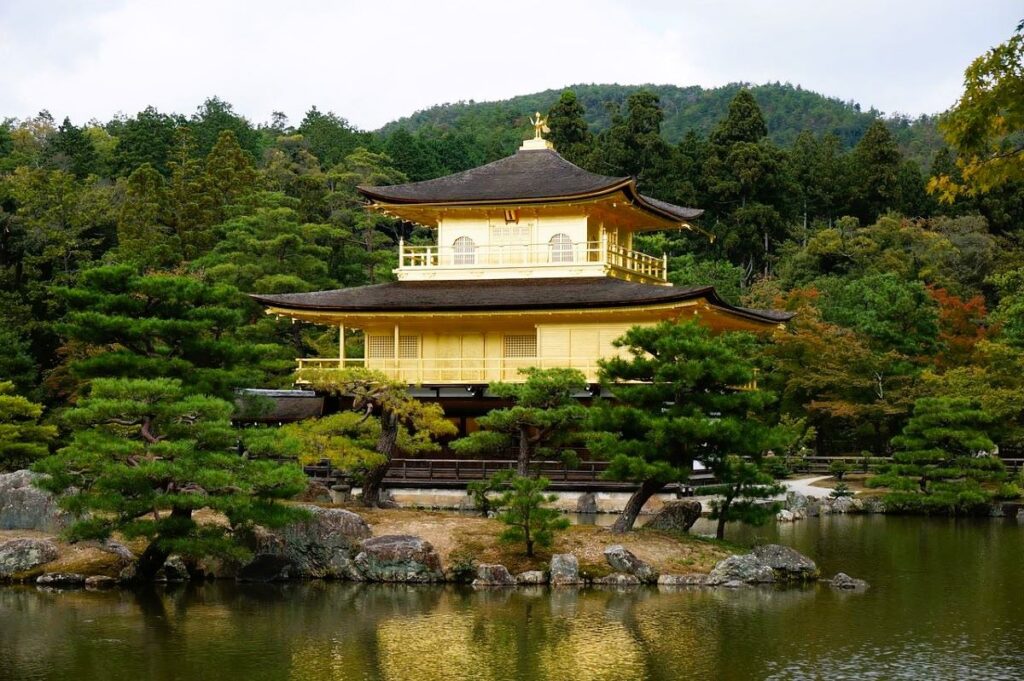
Within the temple, you’ll often find statues of Buddha that vary in size and form, offering a focal point for meditation and prayer. The temple’s overall layout typically includes various halls and courtyards, creating a space for worshippers to engage in rituals and reflect.
But Buddhist temples aren’t just about individual structures; they play a crucial role in community gatherings and spiritual education. Temples like those depicted on Japanese Buddhist Architecture offer a place where people can learn about Buddhist teachings and participate in traditional ceremonies.
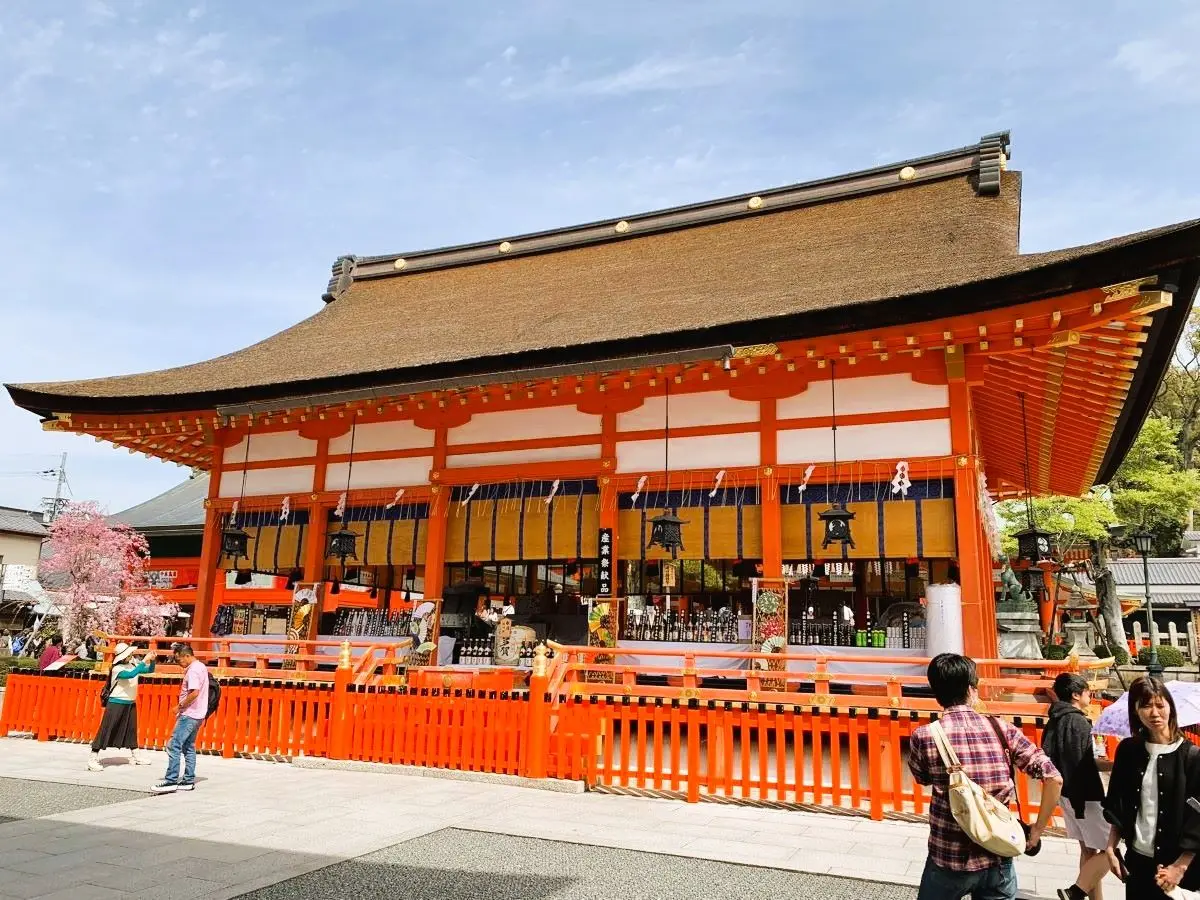
In contrast, Shinto shrines are distinguished by their iconic torii gates, which serve as a symbolic entryway from the mundane to the sacred. These gates are often painted red, believed to ward off evil spirits, and are a frequent photographic subject.

The architecture of a Shinto shrine embodies simplicity and a deep connection to nature, aligning with Shinto beliefs in natural spirits called “kami.” Before entering these shrines, visitors partake in purification rituals, often using a small basin of water to cleanse hands and mouth, symbolizing purification of both mind and body.
Additionally, the construction of Shinto shrines often includes natural materials, emphasizing harmony with the surrounding environment. The serene landscapes around the shrines add to the spiritual atmosphere, as observed in resources like Shinto Architecture.
Both Buddhist temples and Shinto shrines offer a glimpse into the spiritual landscape of Japan, with architecture that not only reflects religious philosophy but also the aesthetic sensibilities of Japanese culture. Whether you’re exploring the towering pagodas or passing through the tranquil torii, these sacred spaces are sure to leave a lasting impression.
Rituals and Practices
When exploring the spiritual landscapes of Japan, two sacred sites stand out prominently: Buddhist temples and Shinto shrines. Both these places hold rich traditions that reflect unique aspects of Japanese culture. For travelers keen on uncovering the essence of Buddhism and Shintoism in Japan, understanding their rituals and practices can offer deep insights.
Buddhist Rituals

Buddhism is widely practiced in Japan, and its rituals are designed to bring peace, clarity, and enlightenment into one’s life. These practices are not just a sightseeing attraction but an invitation to experience tranquility.
- Meditation sits at the heart of Buddhism. Monks and followers engage in meditation as a way to calm the mind and explore the inner self. It’s like tuning a musical instrument; meditation fine-tunes the mind to harmony.
- Chanting plays a significant part in temple rituals. Devotees chant sacred verses, often in a call-and-response manner. This practice is seen as a way to connect with the divine, similar to tuning into a favorite radio station for spiritual melodies. Learn more about Buddhist chanting.
- Ceremonies are colorful and meaningful, often celebrating life events or honoring deities. Buddhist ceremonies are profound gatherings that offer insight into age-old traditions.
Shinto Practices
Shinto, on the other hand, is indigenous to Japan and focuses on connecting with the kami, or spirits found in nature. Shinto practices paint a picture of a harmonious relationship with nature and the divine around us.
- Purification is a fundamental Shinto ritual. Before entering a shrine, visitors often wash their hands and mouth, symbolizing the cleansing of physical and spiritual impurities. It’s like washing away a cloudy day to reveal a bright, clear sky.
- Offerings are made to deities, often in the form of sake, rice, or fruit. These offerings express gratitude and respect to the kami. Shinto offerings keep alive the bond between humans and the divine.
- Festivals are joyous occasions in the Shinto calendar. These events include processions, music, and dance, fostering community spirit. Shinto festivals are like threads weaving the community and culture together, creating a vibrant tapestry of tradition.
As you explore these sacred spaces in Japan, take a moment to participate or simply observe these rituals. They offer a window into the spiritual heart of Japan, making any journey more meaningful.
Cultural Significance
When you step into Japan, it’s like entering a garden of spiritual treasures. Among those, Buddhist temples and Shinto shrines stand tall, almost whispering the stories of ancient practices still cherished today. They are more than just places of worship; they hold a tapestry of cultural significance that weaves through the daily lives of the Japanese people. Let’s take a stroll through these sacred spaces and discover their unique roles.
Temples as Cultural Hubs

Buddhist temples in Japan are like bustling centers of cultural and community life. These temples are more than serene spots for meditation and prayer; they act as cultural hubs where people gather for various activities. From traditional ceremonies and art exhibitions to educational workshops and volunteer events, temples provide a space for community engagement.
Why do these temples play such a vital role in the community? It’s because they offer a sense of belonging—a place for the community to unite. They host tea ceremonies, flower arranging classes, and even poetry gatherings. These activities foster a deeper appreciation of Japanese heritage while nurturing a sense of togetherness.
For those interested in exploring how Buddhist temples influence daily life, this University of Pittsburgh article offers great insights into their multifaceted role in Japanese culture.
Shrines and Festivals
Shinto shrines are the heartbeat of festivals and seasonal celebrations in Japan. Imagine a place where the ordinary becomes extraordinary—a shrine where the lines between the sacred and the everyday blur. These shrines aren’t just stationary entities; they move and breathe with the community, especially during festival times.
Seasonal festivals, often called matsuri, are vibrant expressions of joy and reverence. Local residents come together, donning colorful traditional clothing to partake in dances, processions, and ritual offerings. Shrines act as the canvas for these celebrations, where tradition and modernity blend seamlessly.
Ever wondered how these festivals connect with the surroundings? Shintoism places a great emphasis on nature, and festivals reflect this bond. Celebrations revolve around the cycles of nature, like rice planting and harvest festivals, which are intrinsic to Shinto beliefs.
For a deeper understanding of the fusion of Shinto and Buddhism and its cultural impact, you might find this informative piece engaging.
Exploring these sacred spaces provides a glimpse into the heart of Buddhism and Shintoism in Japan, showcasing their enduring relevance in shaping Japanese society and cultural identity. Whether you’re a curious traveler or a spiritual seeker, these sacred sites offer an enriching experience that resonates with the soul.
Visitor Experience
When visiting Japan, exploring the Buddhist temples and Shinto shrines can be an enlightening experience. Each offers a tranquil escape from the bustling city life, yet they follow distinct traditions. For first-time visitors, understanding the etiquette at these sacred places is key to appreciating the spiritual and cultural heritage they embody.
Let’s look closer at what you should keep in mind as you step into the sacred spaces of Buddhism and Shintoism.
Etiquette at Buddhist Temples
Visiting a Buddhist temple isn’t just about admiration; it’s also about understanding and respect. Here are some dos and don’ts to help you blend in and show your respect:
- Do Remove Your Shoes: Always take off your shoes before entering a temple. This tradition symbolizes leaving the physical and spiritual dirt outside.
- Don’t Point at Buddha Statues: Pointing is considered disrespectful. Keep your hands relaxed and show reverence.
- Do Dress Modestly: Cover your shoulders and knees to maintain decorum.
- Don’t Take Photos Without Permission: Many temples have areas where photography is either restricted or banned. Always ask if you’re unsure.
- Do Keep Quiet: Silence is golden in a temple, where meditation and prayer are paramount.
- Don’t Touch Sacred Objects: Objects such as statues and altars should only be handled by the clergy unless explicitly permitted.
Learn more about etiquette for visiting Buddhist temples to ensure a respectful visit.
Respectful Visits to Shinto Shrines
Shinto shrines are places of worship for followers of Shintoism and are scattered throughout Japan. The experience is unique and follows its own customs and rituals:
- Purify Yourself: Wash your hands and rinse your mouth at the chōzuya (water pavilion) before approaching the main shrine.
- Respect the Torii Gate: Enter the shrine compound through the torii gate, symbolizing the transition from the mundane to the sacred.
- Offer a Coin and a Prayer: Toss a coin into the offering box, bow twice, clap your hands twice, offer a silent prayer, and then bow once more.
- Avoid Walking in the Center Path: This path is reserved for deities, signifying respect.
- Be Mindful of Photography: Like temples, there may be restrictions on photography within certain areas of the shrine.
For more on how to respectfully visit a Shinto shrine, visit Japan Travel Guide’s etiquette guide.
Each visit to a Buddhist temple or Shinto shrine is an opportunity to understand the spiritual essence and cultural depth of Japan. By following these etiquette tips, you contribute to preserving the harmony and reverence of these sacred spaces.
Frequently Asked Questions About Buddhism and Shintoism in Japan
What’s the main difference between Buddhism and Shintoism in Japan?
Buddhism is a religion that came to Japan around the 6th century and includes practices like meditation, chanting, and ceremonies. Shinto is native to Japan and centers on kami (spirits connected to nature), purification, offerings, and festivals. In daily life, many people take part in both traditions depending on the event and setting.
How can you tell a Buddhist temple from a Shinto shrine?
A Shinto shrine usually has a torii gate at the entrance and a purification basin (chōzuya) before the main area. A Buddhist temple often has Buddha statues, incense, and structures like pagodas, plus multiple halls and courtyards.
What do you do at a Shinto shrine when you pray?
A common pattern is to purify your hands and mouth at the chōzuya, offer a coin, bow twice, clap twice, say a short silent prayer, then bow once more. Also avoid walking in the center of the main path, it’s traditionally reserved for the deities.
What are common rituals at Buddhist temples in Japan?
Many temples include meditation, chanting, and ceremonies that mark life events or honor deities. Visitors often experience a quiet atmosphere focused on reflection, respect, and calm behavior inside worship areas.
What should first-time visitors know about etiquette at temples and shrines?
At Buddhist temples, remove your shoes when required, dress modestly, keep your voice low, and don’t touch sacred objects. At Shinto shrines, do the purification ritual, respect the torii gate, follow the prayer steps at the offering box, and watch for photo restrictions.
Conclusion
Exploring Buddhist temples and Shinto shrines in Japan opens up a unique journey into the heart of two distinct yet harmonious spiritual traditions. These sacred spaces, though different in rituals and architecture, share a thread that reflects the rich tapestry of Japanese culture. Visiting them offers not just a glimpse of religious practices but a deep connection to Japan’s history and way of life.
Immersing yourself in Buddhism and Shintoism in Japan is a must if you’re a first time visitor. You’ll find serenity in the peaceful corners of a temple and feel the spiritual energy at a shrine. This experience not only broadens your perspective but enriches your travel story with meaningful insights.
Take the leap and visit both. Capture the essence of what makes Japan’s spiritual landscape so uniquely captivating. Share your experiences, and who knows, you might inspire others to explore this spiritual journey themselves.
Planning an international, multi-city trip?
If you’re feeling overwhelmed by flights, routes, timing, or budgets, I put together a free step-by-step ebook to help you plan your trip with confidence.
Free • Instant access • Perfect for first-time travelers • unsubscribe anytime.
Recent Posts:
-
Best Areas to Stay in Amsterdam for First-Time Visitors
In this guide, I’ll walk you through the best areas to stay in Amsterdam, which each one is best for, and specific hotel options to help you find the perfect fit. The strongest choices are usually Centrum, Jordaan, the Museum Quarter, and De Pijp. Each has a distinct mood. The comparison below makes the trade-offs…
-
🇳🇱 Best Things to Do in Amsterdam: Top Attractions, Local Experiences & Travel Tips
As we started planning for Amsterdam, and started doing some research, we knew we were in for a treat. Guess what? It turned out to be better than what we expected! Picture canals lined with narrow colourful houses, bridges, 17th-century architecture, bikes everywhere, world-famous museums, and cozy cafés on every corner. The place is exciting!…
-
Your Perfect Netherlands Travel Guide: Cities, Trains, and Smart Tips
If you’re planning a trip to the Netherlands, you’re in for a mix of charming canals, world-class museums, historic towns, and beautiful countryside. If I had one rule for a first visit, I’d plan around trains, not a rental car. This Netherlands travel guide focuses on what matters: entry rules, the best time to visit,…
-
A Perfect Day Trip to Bruges From Brussels: A Simple Train Plan and Walking Route
If you’re planning a trip to Belgium and short on time, a Day Trip to Bruges from Brussels is a great idea. In just about an hour by train, you can be transported back in time to the cobblestone lanes, peaceful canals, and storybook buildings of medieval times. Often called the “Venice of the North,”…
-
Where to Stay in Brussels: The Best Neighborhoods for Every Travel Style
Choosing where to stay in Brussels matters more than it does in many European capitals. The city is compact, but the atmosphere changes quickly from one neighborhood to the next. Picking the right base makes exploring Brussels easier and far more enjoyable. This guide helps you pick the right base by vibe, budget, and travel…
-
15 Best Things to Do in Brussels for First-Time Visitors (2026)
Brussels often surprises visitors because it doesn’t fit the expectations people arrive with. Many travellers assume it’s merely an administrative capital or a brief stopover between Paris and Amsterdam. In reality, it offers a lot, and there are many fun things to do in Brussels. For a first visit, plan to spend 1 to 3…