🇳🇱 Best Things to Do in Amsterdam: Top Attractions, Local Experiences & Travel Tips
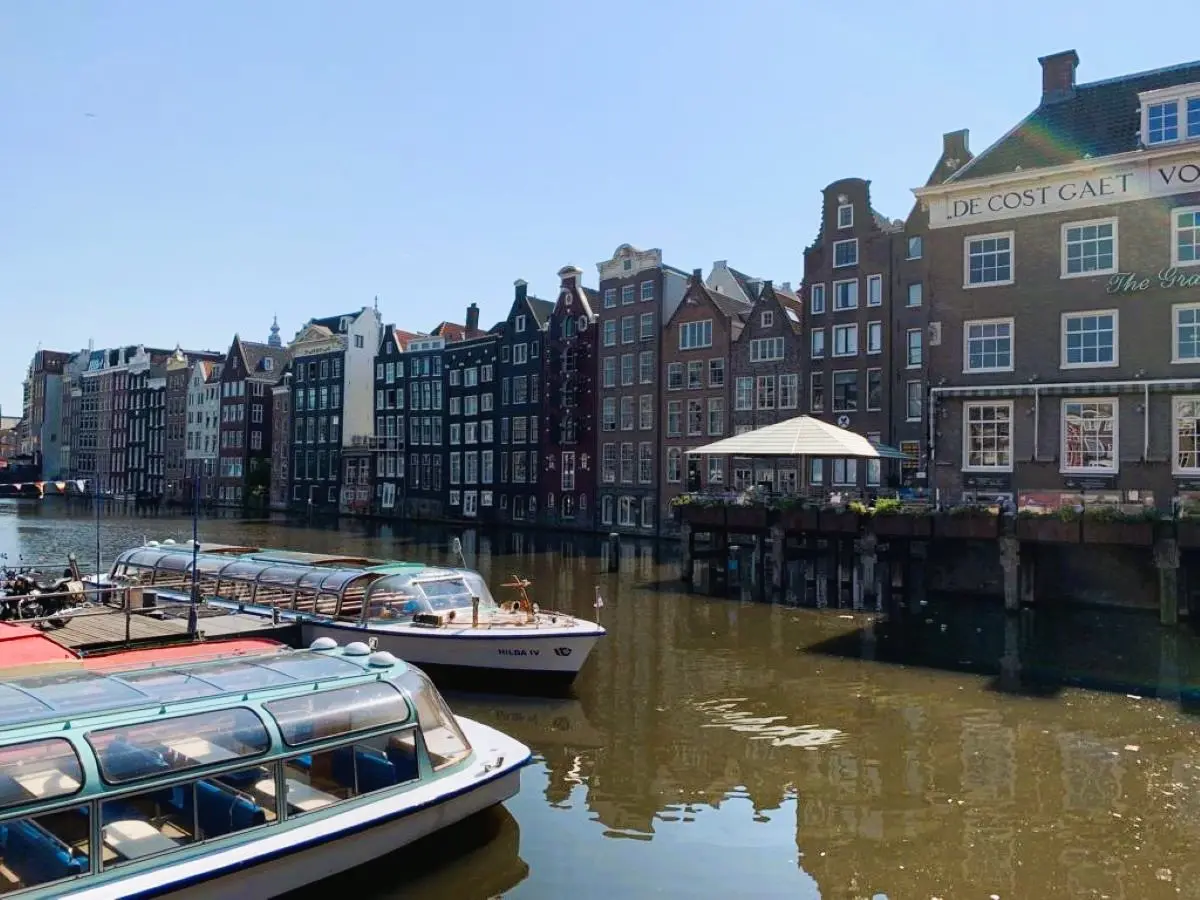
As we started planning for Amsterdam, and started doing some research, we knew we were in for a treat. Guess what? It turned out to be better than what we expected!
Picture canals lined with narrow colourful houses, bridges, 17th-century architecture, bikes everywhere, world-famous museums, and cozy cafés on every corner. The place is exciting!
And, of course, the famous Red Light District.
Did you know that they have coffeeshops that sell cannabis?
If you’re visiting Amsterdam for the first time, it can feel a bit overwhelming—there’s a lot going on here. This guide to the best things to do in Amsterdam breaks it all down so you can plan smarter, avoid long lines, and enjoy the city’s best.
You might also want to know that Amsterdam is generally safe for tourists. It’s one of Europe’s most visited cities, and violent crime is rare. That said, like any major city, there are a few things to watch out for – mainly petty theft and staying aware in busy areas. More on that later.
Amsterdam was the second stop on our train journey across Europe. We arrived here from Brussels. Amsterdam Centraal Station is the main train station here.
Before you plan your trip, check out my guide on where to stay in Amsterdam.
If you’re planning to travel around in the Netherlands, you’ll find my Netherlands Travel Guide useful.
A Suggestion: Take a walking tour. It’s a great way to get acquainted with the city.
Top Things To Do In Amsterdam Are Mostly Walkable
Before you dive in, it helps to know that Amsterdam is very walkable. Most top attractions are grouped into a few key areas:
- City Centre (Dam Square, canals, and of course, the famous Red Light District)
- Museumplein (major museums)
- Jordaan (charming streets + cafés)
- De Pijp (food + local vibe)
There are also parks, tulip gardens and windmills, and a few more interesting things to watch out for. So let’s go…
The City Centre: Dam Square, Canals, Boat Rides, and Red Light District
Amsterdam’s 17th-century canal district is the perfect introduction to the city.
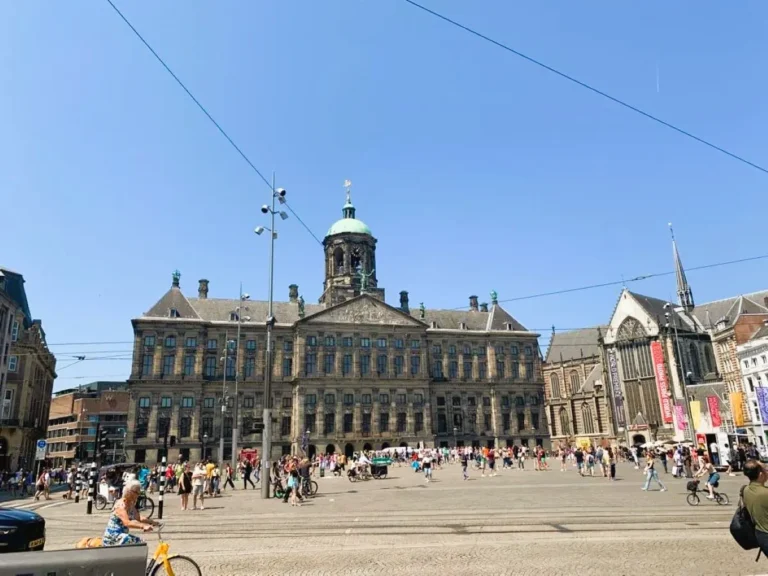
The canal ring lies conveniently close to Dam Square and the Royal Palace, providing extra context for first-time visitors.
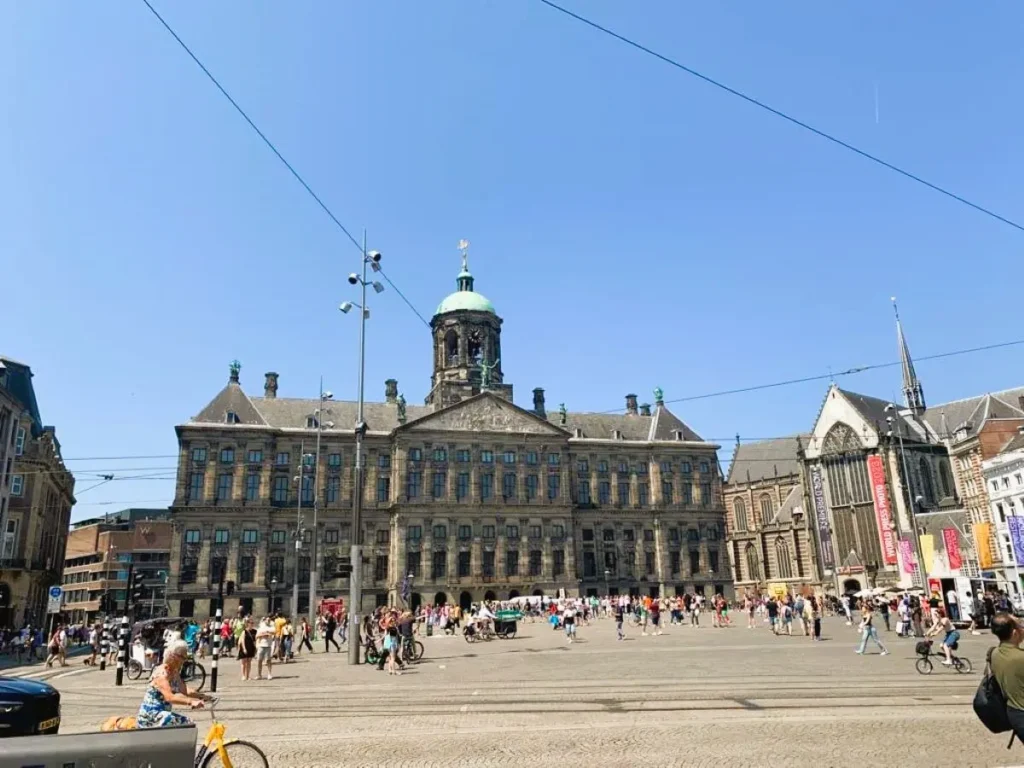
Walk along Prinsengracht or Herengracht (two of the main canals in Amsterdam) first, then take a one-hour canal cruise.
- Prinsengracht (Prince’s Canal):
The longest and often the most lively canal, lined with houseboats, cafés, and major sights.
- Herengracht (Gentlemen’s Canal):
Known for its elegant, historic mansions—this was where wealthy merchants lived during Amsterdam’s Golden Age.
Why Walk Along Them?
Walking along these canals is honestly one of the best things to do in Amsterdam—even though it’s simple.
1. Classic Amsterdam Views
This is the postcard image:
- Narrow canal houses
- Arched bridges
- Boats passing by
It’s what most people picture when they think of Amsterdam.
2. Some of the Best Photo Spots
- Early morning = quiet and peaceful
- Evening = lights reflecting on the water
You’ll get amazing photos without even trying.
3. Major Attractions Along the Way
- Anne Frank House is on Prinsengracht
- The “Golden Bend” (fancy mansions) is on Herengracht
4. Great Cafés and Local Spots
You’ll find:
- Cozy coffee shops
- Small bakeries
- Canal-side restaurants
Perfect for taking a break during your day.
5. It’s the Best Way to Explore Slowly
Unlike rushing between attractions, walking here lets you:
- Discover hidden streets
- Cross charming little bridges
- Feel the real atmosphere of the city
Take A Boat Ride/Canal Cruise
It’s perfect for first-time visitors, families, and anyone short on time. Book ahead for afternoons and weekends, especially from April onward.
You can buy canal cruise tickets on the spot, but during busy periods they often sell out or involve long waits. If you want a sunset or evening cruise—or you’re visiting in summer—it’s best to book ahead.

Red Light District (De Wallen), Amsterdam: What to Know Before You Go
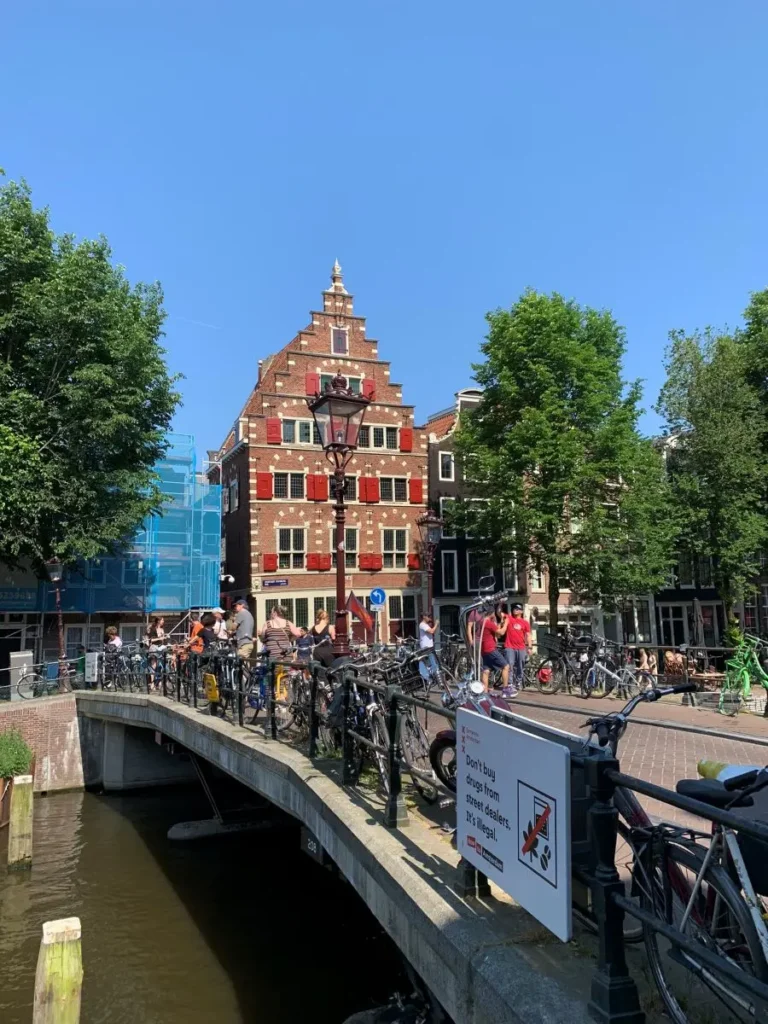
No visit to Amsterdam is complete without at least hearing about its famous Red Light District – but is it actually worth visiting? Here’s a clear, honest breakdown. Then you decide if you want it on your list of things to do in Amsterdam.
The Red Light District, known locally as De Wallen, is located in the heart of the city’s historic center. It’s just a short walk from Dam Square and a few minutes from Amsterdam Central Station.
The area is built around narrow canals and old streets, with landmarks like the stunning Oude Kerk (the city’s oldest church) right in the middle of it all.
Is the Red Light District worth visiting?
Short answer: Yes—but it depends on your expectations.
For many first-time visitors, the Red Light District is more about curiosity and culture than anything else. It’s one of the most unique (and talked-about) neighborhoods in Europe.
Why it’s worth a visit:
- It’s a completely different side of Amsterdam’s history and culture
- The canals and old buildings are beautiful—especially at night
- It’s lively, busy, and unlike anywhere else
Why some people skip it:
- It can feel crowded and touristy
- The atmosphere isn’t for everyone (especially families with young kids at night)
- It’s more about observing than “doing”
Bottom line: Even if you’re unsure, it’s worth a quick walk-through—just to see what it’s like.
What’s there to see?
The Red Light District is often misunderstood. Yes, it’s known for its adult entertainment, but there’s more to it than that.
Here’s what you’ll actually experience:
1. The famous red-lit windows
These are what the area is known for. Workers stand behind illuminated windows along the canals.
➡️ Important: Photography is strictly forbidden and taken seriously.
2. Historic canals and architecture
The area is part of Amsterdam’s 17th-century canal belt, so you’ll still get those classic postcard views—especially at night when the lights reflect on the water.
3. Oude Kerk
Right in the middle of the district, this beautiful medieval church creates a striking contrast with its surroundings.
4. Bars, cafés, and nightlife
You’ll find:
- Lively pubs
- Cocktail bars
- Coffee shops (where cannabis is legally sold)
5. Museums (optional stops)
If you’re curious to learn more, there are small museums focused on the history of the district and sex work in Amsterdam.
How much time should you spend?
You don’t need a full day here.
- Quick visit: 30–45 minutes (a simple walk-through)
- Relaxed visit: 1–2 hours (with a drink or stop at a café)
- Nightlife focus: 2+ hours if you plan to stay out
Tips for visiting
- Be respectful—this is a working neighborhood
- Don’t take photos of people in the windows
- Watch your belongings (it can get crowded)
- Go with an open mind—it’s more about observing than participating
The Red Light District isn’t for everyone—but it’s undeniably one of the most unique parts of Amsterdam. If you’re curious, culturally open-minded, and already exploring the city center, it’s absolutely worth a short visit.
Museumplein (major museums)
Museumplein is the cultural heart of Amsterdam, located in the Oud-Zuid district.
The 2 most famous museums here are:
- The Rijksmuseum: You need at least two hours, and three is better if you enjoy Dutch Golden Age history as much as the paintings. In spring 2026, the Rijksmuseum’s Metamorphoses exhibit runs through May 25, making a visit even stronger.
- Van Gogh Museum: It’s more focused and usually easier to pace in 90 minutes.
When museum fatigue sets in, cross over to Vondelpark (a famous city park, a 5-10 minute walk from the museums). It’s best for anyone carrying a coffee and no plan. One relaxed hour is enough, although a sunny afternoon can easily stretch longer.
Explore the Jordaan neighborhood and other spots
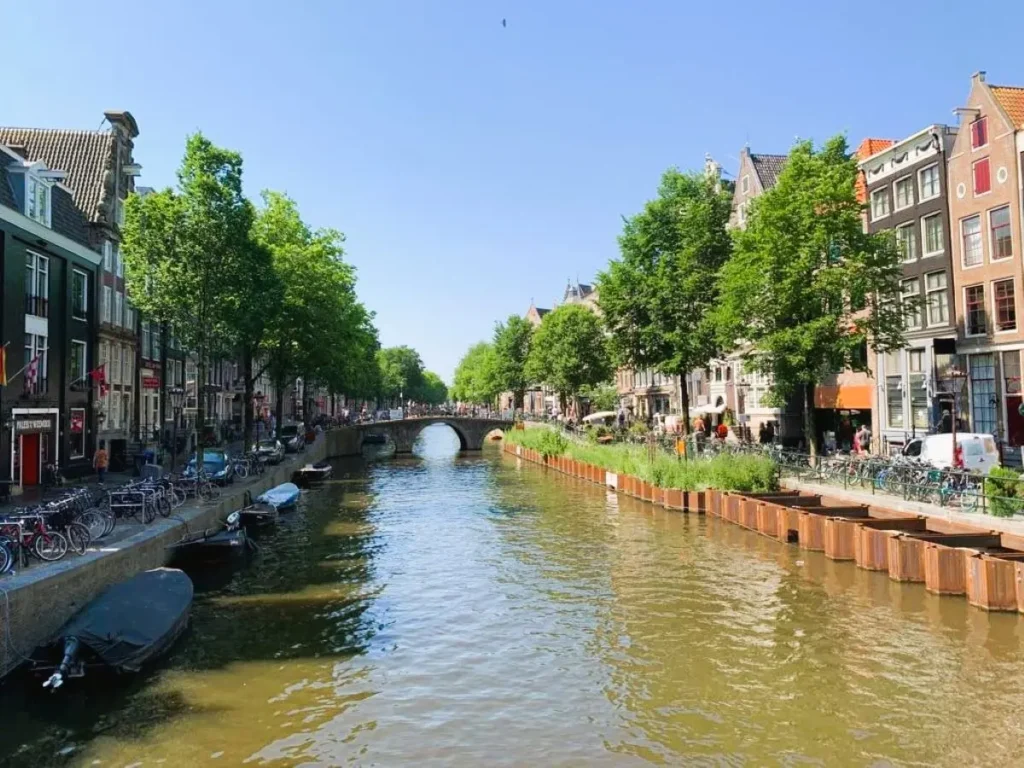
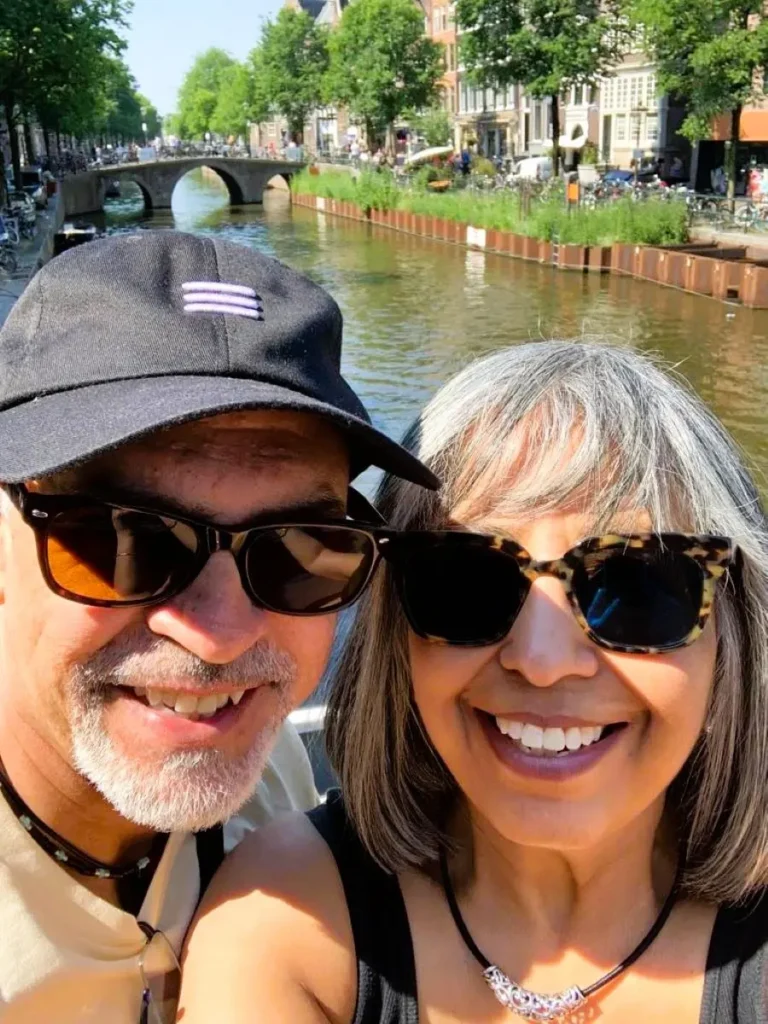
While the Red Light District is the city’s most famous area, the Jordaan neighborhood offers a quieter alternative and is still the best spot for a slow walk. Once a working-class quarter, it’s now full of small galleries, brown cafes, canal bridges, and quiet courtyards. Give it two hours, more if you like independent shops. The nearby 9 Streets (De 9 Straatjes) are compact, easy to cover, and best for design stores and café stops.
The Anne Frank House, also located in this neighbourhood, remains one of the city’s most moving experiences. Allow 60 to 90 minutes, and reserve as early as possible. If tickets are gone, a canal-side walk through the Jordaan still adds context because the neighborhood preserves much of old Amsterdam’s scale.
Book Anne Frank House as soon as your dates are fixed. Waiting rarely works.
De Pijp For Food + Local Vibe
For a livelier contrast, go south to De Pijp. This 19th-century district feels broader, younger, and less polished.
Albert Cuyp Market
Albert Cuyp Market is the main draw, and it’s best for casual eaters and bargain hunters. Plan one to two hours. You don’t need reservations, only cashless payment and a little patience at busy stalls. Try stroopwafels, pickled herring, bitterballen, or a warm fry cone if you want classic street food.
Foodhallen
Later, move west to Foodhallen in Oud-West. It’s a trendy indoor food market located inside a renovated 19th-century tram depot. It’s about 25 – 30 minute walk from De Pijp. It’s a pleasant walk through the Oud-West.
It’s a nice place if you’re looking for a fun, casual food experience in Amsterdam. Forget about fine dining – here it’s about trying a mix of flavors, grabbing a drink, and soaking up the atmosphere. Come hungry, expect crowds, and treat it as a social stop.
Westpark
If you prefer green space nearby, visit Westerpark.
Westerpark also gives you two newer reasons to visit in 2026. The Banksy Museum has become a popular stop, so book ahead if modern street art interests you.
On Rozengracht, Rembrandt’s Amsterdam Experience suits visitors who want a short, story-led break from traditional galleries. But if you’re a purist it may not be for you.
For more offbeat ideas beyond the classics, this Amsterdam hidden gems roundup can help shape an extra day.
If you still have energy, take the free ferry to Amsterdam Noord. The ride is short, skyline views open up from spots like A’dam Lookout, and the city suddenly feels wider. Head to NDSM Wharf for art and culture once you arrive.
Add a Market, a Seasonal Event, Or An Easy Day Trip To The List Of The Best Things To Do In Amsterdam
Not every good Amsterdam plan needs another museum. Sometimes a market, a park bench, or a short train ride will do the trick.
The Bloemenmarkt (floating flower market) is easy to reach, but it feels more visitor-focused than local. If time is tight, Albert Cuyp Market offers more character. Look for poffertjes, the mini pancakes that make a perfect seasonal treat. Photographers wandering the markets will love capturing flower bikes, those colorful bikes piled high with blooms.
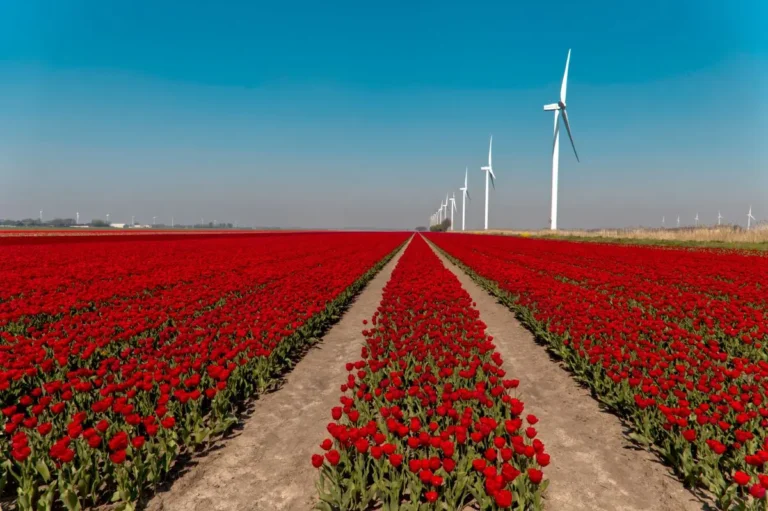
Still, flower lovers visiting in late March should look beyond the city. Keukenhof Gardens opened March 19 in 2026, and it’s the strongest spring day trip from Amsterdam. Allow half a day, book ahead, and go early because tour buses fill the gardens fast.
Zaanse Schans is the simpler contrast. In less than an hour, canals give way to windmills, workshops, and open Dutch countryside. It’s best for first-time visitors, families, and photographers. Half a day is enough unless you want a very slow lunch and long walk.
If you’d rather stay in Amsterdam, build around current events. From April 24 to September 27, the World Press Photo Exhibition 2026 at De Nieuwe Kerk offers one of the year’s strongest cultural stops. Reserve ahead, especially for weekends.
Modern art lovers can visit the Stedelijk Museum, or join a walking tour through the Jewish Quarter for a dose of meaningful history.
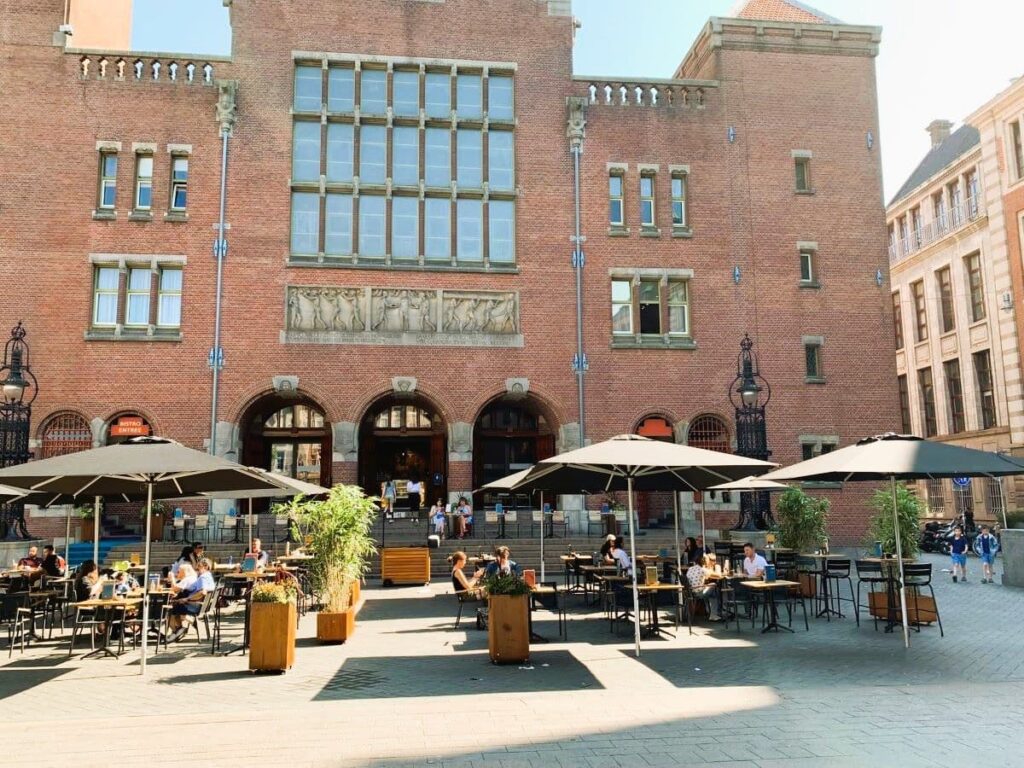
This quick guide helps with timing:
| Experience | Best for | Time | Reserve? |
|---|---|---|---|
| Canal cruise | First-time visitors | 1 hour | Helpful |
| Rijksmuseum | Art and history lovers | 2 to 3 hours | Yes |
| Van Gogh Museum | Art fans | 1.5 to 2 hours | Yes |
| Anne Frank House | History-minded visitors | 1 to 1.5 hours | Essential |
| Foodhallen (indoor food market) | Groups, rainy evenings | 1 to 2 hours | No |
| Keukenhof (famous flower gardens) | Spring trips | Half day | Yes |
A Quiet Reminder Beneath Your Feet: Stolpersteine
As you walk through the streets of Amsterdam, keep an eye on the ground – you might notice small, square brass plaques set into the pavement outside homes.
These are called Stolpersteine, or “stumbling stones.”
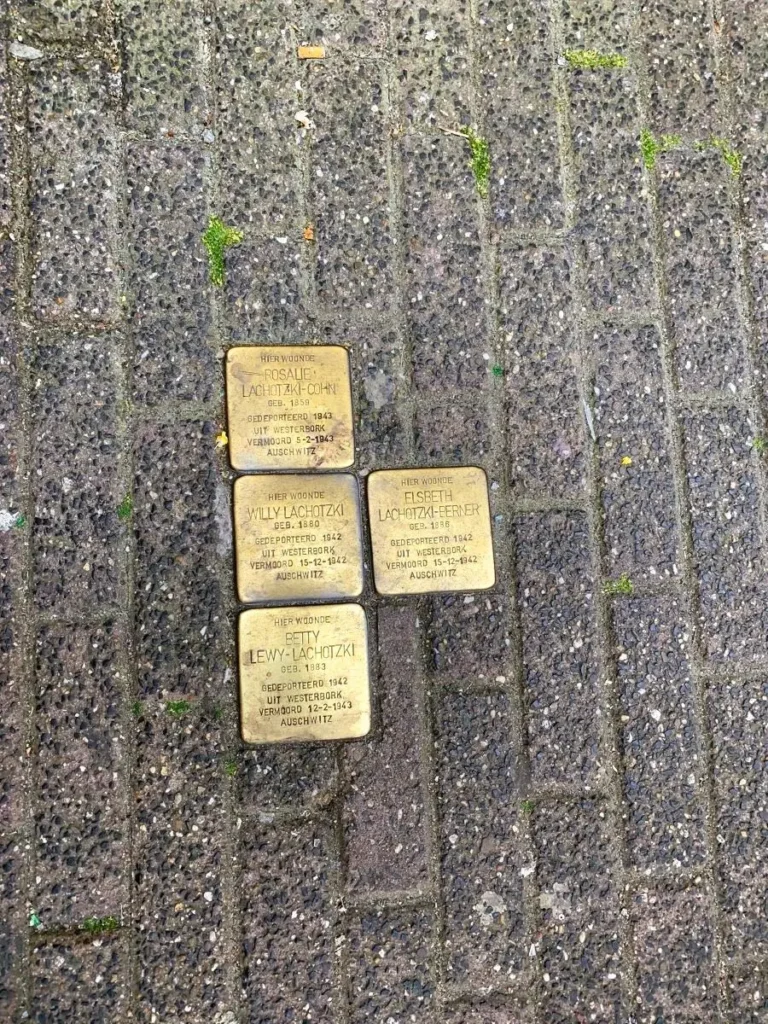
At first glance, they’re easy to miss. But once you spot one, you’ll start seeing them all over the city.
Each of them tells a story.
You’ll usually see the words “Hier woonde” (Dutch for “Here lived”), followed by a person’s name, their year of birth, and what happened to them during World War II. Many were deported and killed in camps like Auschwitz concentration camp.
These stones are placed in front of the last home where that person lived freely.
Sometimes, you’ll see several together – like a small cluster – because an entire family once lived there.
Why they matter
Unlike large monuments or museums, Stolpersteine are part of everyday life. There are no crowds, no tickets – just a quiet moment as you pause on a sidewalk.
They’re designed to make you slow down and remember that history didn’t happen in faraway places—it happened right here, in ordinary homes, on ordinary streets.
Take a moment when you come across one. Read the name. It’s a simple but powerful way to connect with the city beyond canals, museums, and cafés.
Suggested Amsterdam Itineraries
1 Day in Amsterdam
- Morning: Rijksmuseum
- Afternoon: Canal cruise + Jordaan walk
- Evening: Dinner + canal stroll
2–3 Days in Amsterdam
Day 1: Museums + Vondelpark
Day 2: Anne Frank House + canals + neighborhoods
Day 3: Markets + unique experiences (Heineken or A’DAM Lookout)
Safety Tips For Visitors To Amsterdam
Whenever I plan a trip, one of the things I look into is whether it’s safe for visitors. So, is Amsterdam safe for tourists? So let me tell you, Amsterdam is generally very safe for tourists. There are a few things to watch out for—mainly petty theft and staying aware in busy areas.
Here are 5 practical safety tips to keep your trip smooth:
1. Watch out for pickpockets (especially in crowded areas)
Busy spots like Amsterdam Central Station, trams, and popular attractions can attract pickpockets.
Tip:
Keep your phone and wallet in a zipped pocket or crossbody bag. Avoid putting valuables in backpacks or back pockets.
2. Be mindful of cyclists
Amsterdam is famous for bikes—and locals ride fast and expect you to stay out of bike lanes.
Tip:
Always check for bikes before crossing the street. If you hear a bell, move quickly out of the way.
3. Stay alert in the Red Light District
The De Wallen is safe to walk through, but it can get crowded and a bit chaotic at night.
Tip:
- Don’t take photos of workers (it’s not allowed)
- Keep an eye on your belongings
- Visit earlier in the evening if you prefer a calmer vibe
4. Be cautious with “friendly strangers”
Occasionally, tourists get approached with distractions or scams (like fake petitions or “found” items).
Tip:
Politely ignore and keep walking. If something feels off, trust your instincts.
5. Stick to well-lit, busy areas at night
Most central neighborhoods are lively and safe, but quieter streets can feel isolated late at night.
Tip:
Stay in well-lit areas, especially around the canals, and avoid wandering alone in unfamiliar neighborhoods late at night.
Check out my guide on the best areas to stay in Amsterdam.
Final Thoughts
Amsterdam is a city that’s easy to love. Whether you’re here for the museums, food, or just to wander along the canals, there’s something for everyone.
Take your time, don’t rush, and enjoy the atmosphere – it’s all part of the experience.
A practical note: Don’t over-plan for Amsterdam. Light planning works best. Book the major museums, keep one neighborhood afternoon free, and leave space for the weather. In March, bring layers and a rain jacket. The sky changes quickly, and the city still looks good under clouds.
Download my FREE GUIDE TO HELP YOU PLAN INTERNATIONAL AND MULTI-CITY TRIPS:
Planning an international, multi-city trip?
Learn how to organize routes, flights, and logistics without stress. This guide is designed for first-time travelers but just as useful for experienced travelers planning complex trips.

Recent Posts:
-
Best Areas to Stay in Amsterdam for First-Time Visitors
In this guide, I’ll walk you through the best areas to stay in Amsterdam, which each one is best for, and specific hotel options to help you find the perfect fit. The strongest choices are usually Centrum, Jordaan, the Museum Quarter, and De Pijp. Each has a distinct mood. The comparison below makes the trade-offs…
-
Your Perfect Netherlands Travel Guide: Cities, Trains, and Smart Tips
If you’re planning a trip to the Netherlands, you’re in for a mix of charming canals, world-class museums, historic towns, and beautiful countryside. If I had one rule for a first visit, I’d plan around trains, not a rental car. This Netherlands travel guide focuses on what matters: entry rules, the best time to visit,…
-
A Perfect Day Trip to Bruges From Brussels: A Simple Train Plan and Walking Route
If you’re planning a trip to Belgium and short on time, a Day Trip to Bruges from Brussels is a great idea. In just about an hour by train, you can be transported back in time to the cobblestone lanes, peaceful canals, and storybook buildings of medieval times. Often called the “Venice of the North,”…
-
Where to Stay in Brussels: The Best Neighborhoods for Every Travel Style
Choosing where to stay in Brussels matters more than it does in many European capitals. The city is compact, but the atmosphere changes quickly from one neighborhood to the next. Picking the right base makes exploring Brussels easier and far more enjoyable. This guide helps you pick the right base by vibe, budget, and travel…
-
15 Best Things to Do in Brussels for First-Time Visitors (2026)
Brussels often surprises visitors because it doesn’t fit the expectations people arrive with. Many travellers assume it’s merely an administrative capital or a brief stopover between Paris and Amsterdam. In reality, it offers a lot, and there are many fun things to do in Brussels. For a first visit, plan to spend 1 to 3…
-
Belgium Travel for First-Time Visitors (2026): Easy Trains, Medieval Cities, and Great Food
Belgium might be small, but it delivers far more than its size suggests—historic cities, beautiful architecture, world-famous food, and some of the best beer you’ll ever taste. Belgium travel is surprisingly easy. My wife and I spent four days there in 2023 as part of a train journey through eight European countries. It’s one of…