A Perfect Day Trip to Bruges From Brussels: A Simple Train Plan and Walking Route
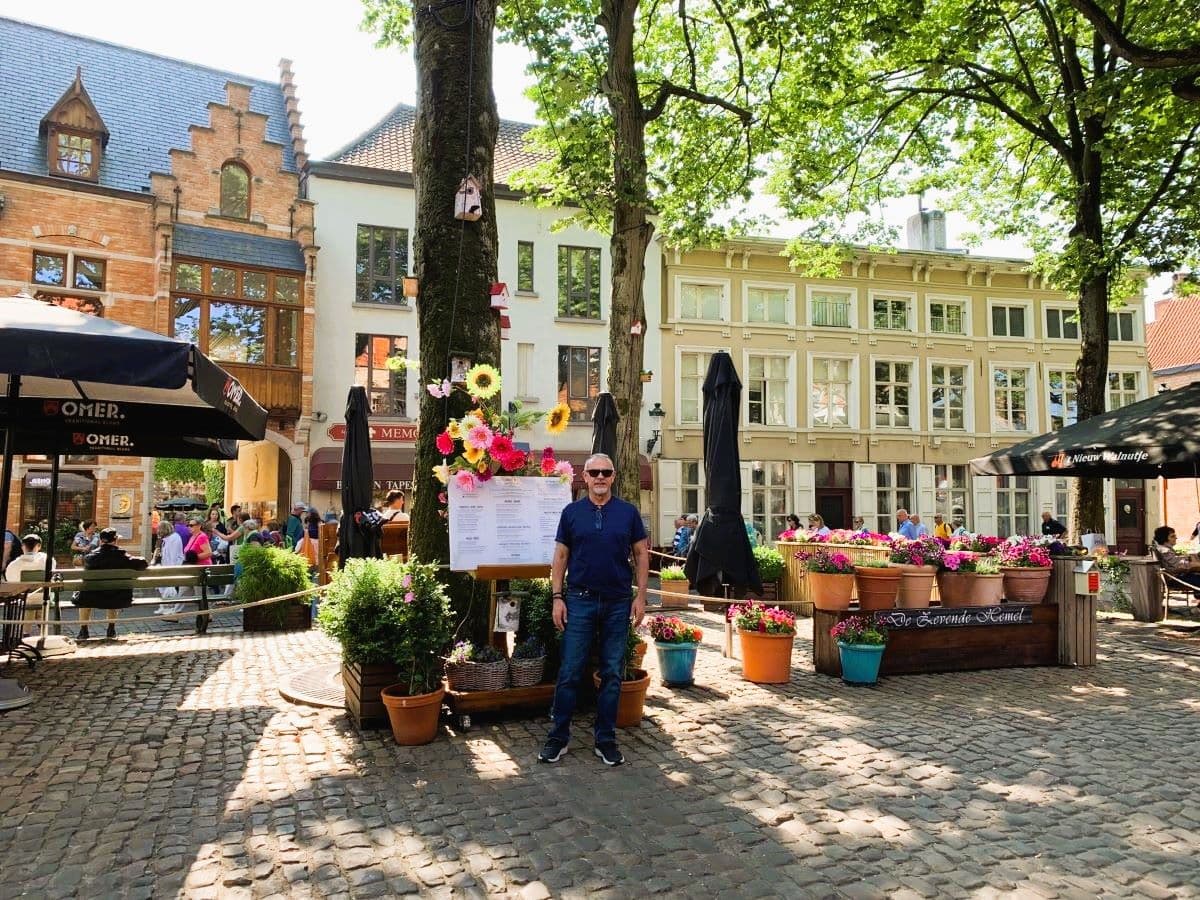
If you’re planning a trip to Belgium and short on time, a Day Trip to Bruges from Brussels is a great idea.
In just about an hour by train, you can be transported back in time to the cobblestone lanes, peaceful canals, and storybook buildings of medieval times.
Often called the “Venice of the North,” Bruges is a UNESCO World Heritage Site whose historic city center is compact, easy to explore on foot, and packed with charm.
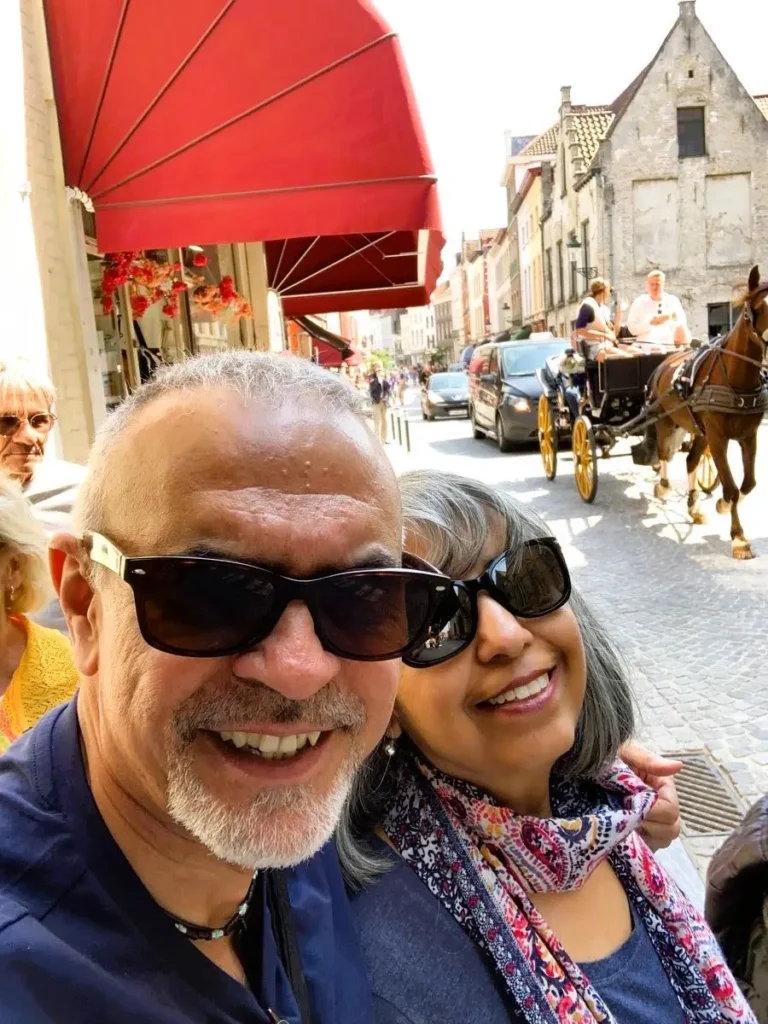
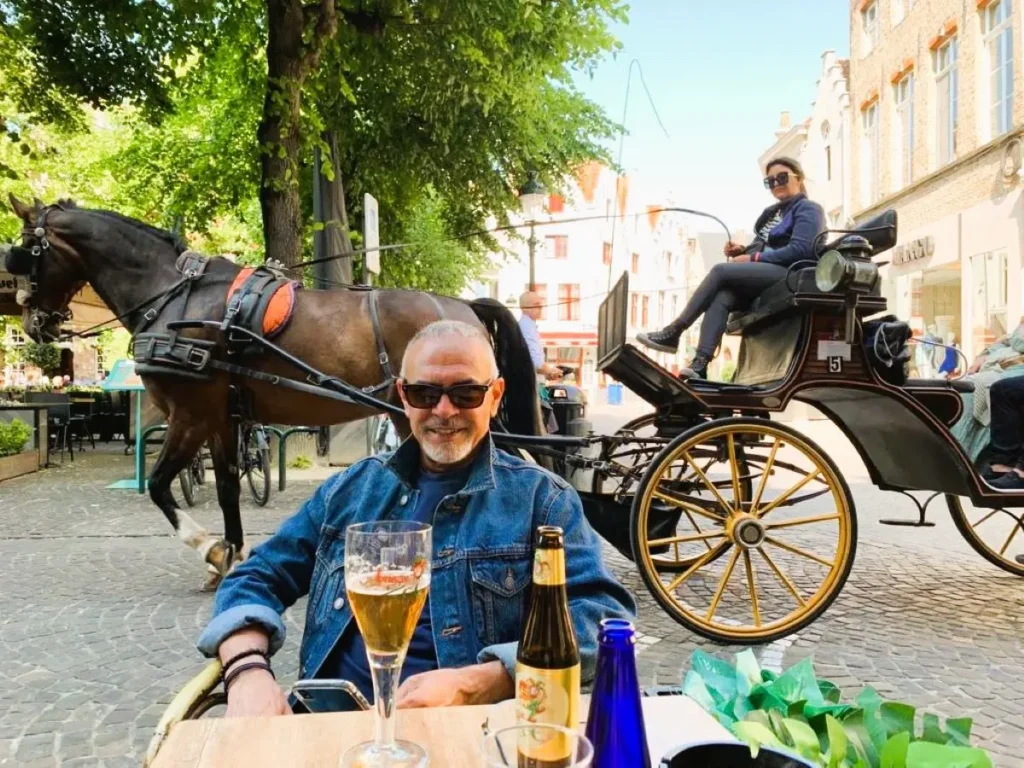
Picture medieval squares, horse-drawn carriages, cozy cafés, Belgian waffles, and chocolate shops on almost every corner. The best part? You can see the highlights in a single day without feeling rushed.
In this guide, I’ll show you exactly how to plan the perfect Day Trip to Bruges from Brussels, including how to get there, what to see, where to eat, and smart tips to make the most of your time.
Whether it’s your first visit to Belgium or you’re adding Bruges to a longer Europe itinerary, this day trip to Bruges is one you won’t forget.
Key Takeaways
- Bruges is an easy day trip from Brussels by direct intercity train, with frequent departures and no domestic seat reservations needed.
- Most travelers start from Brussels Midi (Brussel-Zuid), although Brussels Central also works depending on your location.
- Expect about 1 hour of train time, then a 20 to 25-minute walk from Brugge station into the historic center.
- A practical one-day route is Markt and Belfry, then Burg Square and canal views at Rozenhoedkaai, then Begijnhof and Minnewater Park.
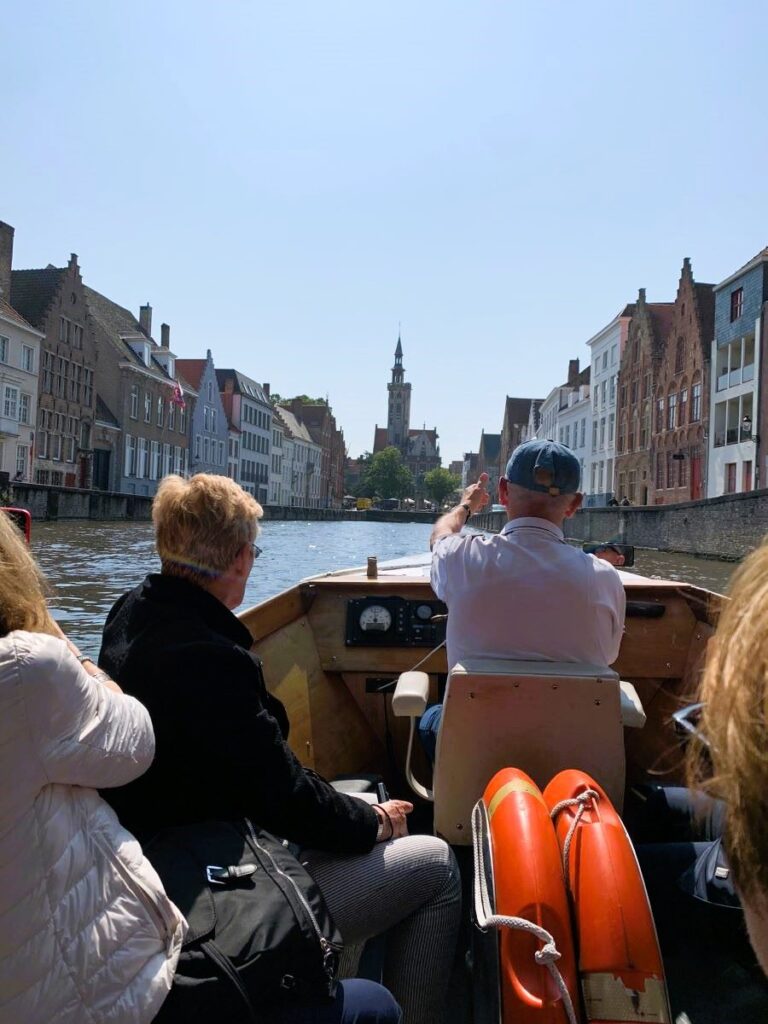
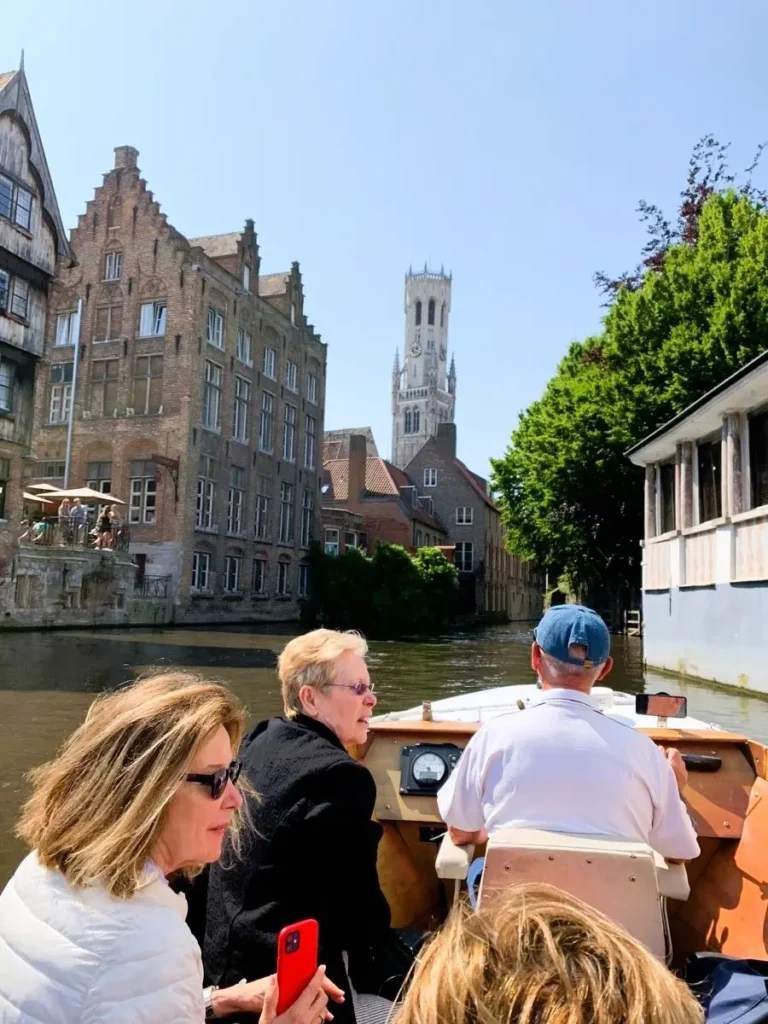
- To avoid long waits, treat the Bruges canal boat ride as flexible and go mid-morning or early afternoon when queues are shorter.
- For tips on planning your Belgium trip, check out my blog post, Belgium travel guide for first-timers.
- If it’s your first time visiting Brussels, make sure to visit my post on the 15 best things to do in Brussels for first-time visitors.
Getting to Bruges By Train: Tickets, Stations, And a Stress-Free Morning Start
For a Day Trip to Bruges from Brussels, most visitors take a direct Belgium intercity train from Brussels Midi (Brussel-Zuid). Brussels Central station also works, but Brussels Midi often gives you more departure options and clearer platform space.
- In Brussels, the most popular stations are Brussels Midi, Brussels, Brussels-Nord, Brussels-Schuman, Brussels-Luxemburg, Brussels-Congres, Brussels-West and Brussels-Chapelle.
- In Bruges, the most popular stations are Bruges train station (Brugge) and Bruges-Saint-Pierre (Brugge-Sint-Pieters).
Trains commonly run about every 30 minutes, and they run late enough that you don’t need to sprint through the station if breakfast takes longer than planned.
The ride is simple and comfortable, with no reservations needed for domestic trains.
You’ll see commuters, students, and day-trippers, especially on weekends. That mix is a good sign, because it means the route is routine for locals, not a tourist trick.
For a quick official overview of rail connections to Bruges, check InterCity train info to Bruges. It’s a helpful reference if you’re comparing stations or timing. Also check Trains between Brussels and Bruges. It’s a helpful website for planning your trip.
Where to buy train tickets for Bruges (online, app, or at the station)
Here are the simplest options:
- SNCB website or SNCB app: Buy an e-ticket, then keep it on your phone for checks.
- Ticket machines at Brussels Midi: Fast, card-friendly, and available in multiple languages.
- Ticket counter at Brussels Midi: Useful if you have questions or need help with fare types.
A tip that saves time later: Buy a round-trip right away. Then you won’t stand in another line when you’re tired and cold in the late afternoon.
Aim to arrive at Brussels Midi 15 to 20 minutes early. Next, look up at the departure boards and find “Brugge” (Dutch spelling often used on boards). Then follow the platform number and wait near the middle of the platform, because that spreads you away from the busiest doors.
If you still need ideas for your Brussels base day, this list of must-see Brussels attractions helps you fill the hours before or after Bruges.
What tickets cost, when to go, and simple money-saving tips
Prices shift a bit by fare type and timing, but a realistic range for a standard adult one-way ticket is often about €18 to €22. On weekends, the Weekend Ticket can drop the price (often around €15 one way for adults). Children commonly cost less, and some discounts apply by age and residency.
To make the day feel roomy, leave Brussels around 8:30 to 9:30 AM. You’ll reach Bruges before the heaviest midday crowds, and you’ll have first choice on cafés and photo spots. For the return, consider heading back after an early dinner, because the train can feel calmer once day-trippers thin out.
Bruges is compact, but winter weather slows your pace. Build in 10 extra minutes for every long walk.
Planning an international, multi-city trip?
Learn how to organize routes, flights, and logistics without stress. This guide is designed for first-time travelers but just as useful for experienced travelers planning complex trips.

A Simple One-Day Bruges Itinerary That Hits The Must-Sees
Bruges is best explored on foot because the historic center was built long before cars.
The city feels like a living museum, but you’ll also notice ordinary life, school bikes, deliveries, and locals heading to work.
From Bruges station, the walk into the center takes about 20 to 25 minutes at an easy pace. You can also take a bus or taxi, but walking is the best.
The cobblestone streets are everywhere, so keep your route simple and avoid zigzags. The loop below starts with the biggest landmarks, then ends in quieter parkland near the station. Total walking is often 4 to 5 miles, flat but uneven. Make sure to wear comfortable shoes.
Morning: Markt, Belfry views, and the prettiest squares
Start at Grote Markt, Bruges’ main Market Square. It’s 15-20 minutes from Bruges Train Station. The scene is theatrical in the best way, with stepped-gable buildings and a tall bell tower overlooking café terraces.
Medieval Bruges, home to artists like Jan van Eyck, grew wealthy through cloth and trade, and the market square still feels like a stage set for that history.
If you want the classic view, climb the Belfry of Bruges early. It’s 366 steps, and the stairwells narrow as you rise. Go in the morning to avoid the longest lines and to catch cleaner light over the rooftops. If you’re traveling with anyone who dislikes tight stairs, it’s fine to skip, because the ground-level architecture is the real story. Nearby, the Historium Brugge offers an immersive take on the city’s past as a suggested stop.
After the Markt, walk five minutes to Burg Square. It’s smaller, but it concentrates power and ceremony.
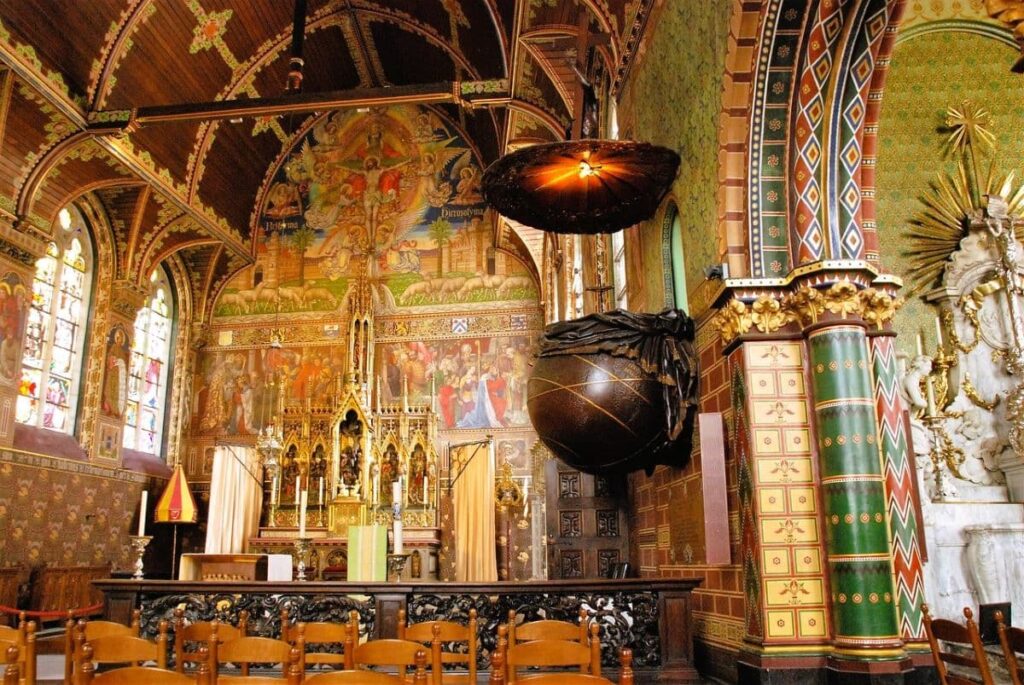
Nearby, the Basilica of the Holy Blood adds a religious layer to the city’s trade story. The lower chapel is usually free, while the upstairs relic area may require a small fee. Keep your visit short and quiet, because it’s an active place of worship, not just a stop on a checklist.
Before late morning, take photos. Bruges fills steadily, and the same corners can look very different by noon.
Afternoon: canals, quiet corners, and an easy walking loop back
After lunch, point yourself toward Rozenhoedkaai, the canal corner that shows up on postcards.
The view compresses Bruges into one frame: water, bridges, and medieval brick stacked against a pale sky.
Take your photos early in this part of the day, then move on quickly. The area can crowd up, even in winter.
From there, slow your pace and aim for the Beguinage (Begijnhof) and Minnewater Park (Lake of Love).
Historically, beguinages offered religious women a community life outside a strict convent structure. The setting still carries that quiet purpose, with white houses and a calm courtyard feel.
Minnewater sits nearby, with swans and a path that feels removed from the souvenir streets.
If time allows, add one focused extra:
- The Church of Our Lady, known for Michelangelo’s Madonna and Child and a tall brick tower, suits visitors who want one serious interior.
- The Kruisvest windmills work better for long walkers who want open air and fewer crowds.
To finish the loop, continue toward the station. This return walk is useful in February, because you can adjust. If rain starts, head back sooner and warm up in a café near the center instead.
For another perspective on fitting Bruges into a tight schedule, see this Brussels to Bruges day trip overview, especially if you’re weighing how early to leave.
The Bruges Canal Boat Ride: How It Works And How To Time It Right
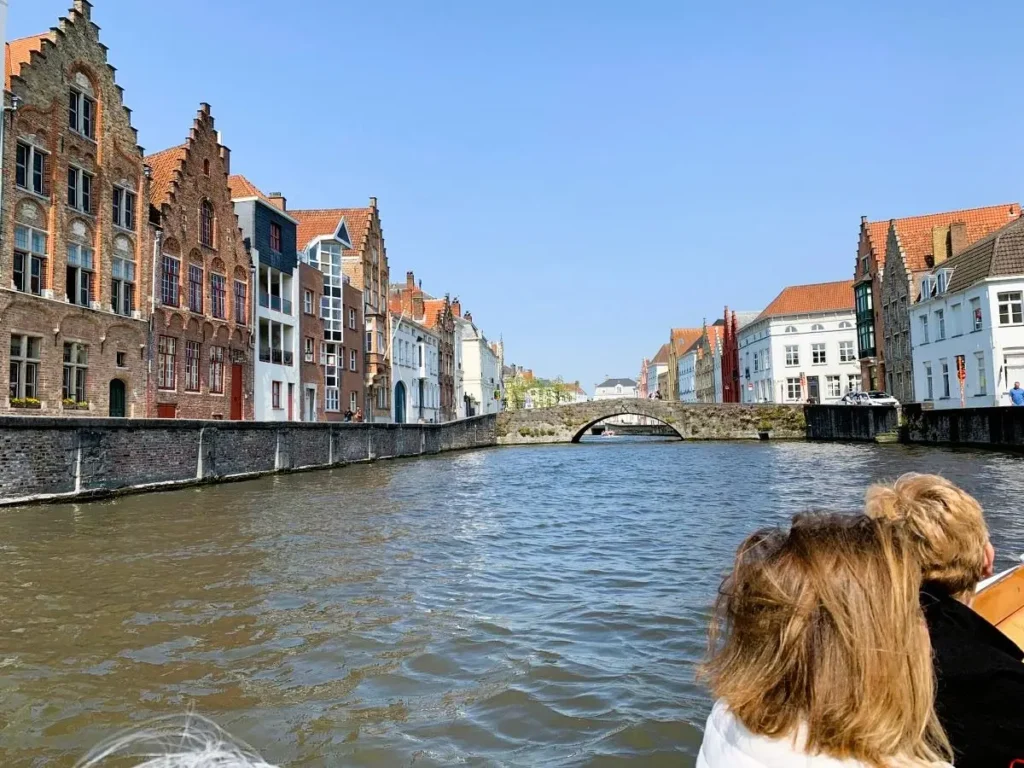
A canal tour in Bruges isn’t long, but it changes your angle on the city. On foot, you see façades and shopfronts. On the water, you notice back gardens, low bridges, and the quiet working sides of old buildings. It’s like stepping behind the scenery of a historic theatre.
Most boat tours last about 30 minutes. Boats tend to run in a loop, and the commentary is usually light and approachable. You won’t get a deep history lecture, but you will get enough context to understand what you’re passing.
Winter adds one important detail: it can feel colder on the water than it does on land. Dress as if the temperature is five degrees lower, especially if there’s wind.
Where to board, how long it takes, and what it costs
Common boarding points sit near Rozenhoedkaai and other nearby canal docks. Boats often depart every 20 to 30 minutes, depending on demand and weather.
Prices vary by operator and season. A typical ticket falls around €12 to €15 for adults. Some sources list higher winter pricing, while others quote the lower end, so it’s smart to glance at the posted price before you queue.
Expect a few practical quirks. Boarding can involve steps, narrow walkways, and tight turns. Travelers with mobility concerns may prefer to enjoy canal views from bridges instead, because Bruges offers many excellent water-level viewpoints without the boat.
If you want more details on routes and boarding areas, this guide to Bruges canal boat tours provides a clear rundown.
Best time to go so you do not waste your day in line
Timing matters more than people think, because a 30-minute boat tour can turn into a 75-minute detour if the line is long. The best strategy is to treat the canal tour as flexible.
Two time windows usually work well:
- Mid-morning, after you’ve taken photos but before lunch rush.
- Early afternoon, once lunch lines settle and before late-day arrivals.
Use a simple rule. If the queue looks long, don’t commit. Instead, walk to Burg Square, pop into a chocolate shop, or photograph nearby canals, then return later. Bruges is dense, so you won’t waste time by circling back.
Weekends can still spike, even in February. Rain also changes the pattern, because some visitors avoid the water and others rush to it between showers. Keep your coat zipped, keep your plan loose, and you’ll fit the ride in without sacrificing the rest of the day.
Where to eat and drink in Bruges on a tight day-trip schedule
Food in Bruges is part of the city’s rhythm. A warm snack and a short sit-down break can reset your day, especially in winter. The key is location and timing, because the streets closest to the Markt can be expensive and crowded.
For better value, walk one or two streets off the main squares. The mood changes quickly, and menus often look more honest. Also, try to eat lunch before 12:30 PM or after 2 PM. That one shift can save you a long wait.
Fast lunches and warm bites between sights
If you want speed and comfort, three popular day-trip choices fit well between the Markt area and the canal zone:
Bocca works for quick build-your-own pasta, which is helpful when you want a hot meal without a long sit-down. Soup is a classic winter stop for soup-and-sandwich combos, although it can draw a line at peak hours. That’s Toast! suits travelers who want all-day breakfast and a warm café break.
Ordering stays simple in most casual spots. You usually order at the counter, pay, then take a table when it’s ready. Keep a card handy, but carry a little cash for small purchases.
If you want to browse more lunch ideas without committing, this list of popular lunch spots in Bruges helps you compare locations near your walking route.
Classic Bruges treats: waffles, chocolate, and a local beer to try
For Belgian waffles, Chez Albert is famous and usually busy. The Liege waffle is sweet and filling, so it works best as a mid-afternoon snack, not a rushed breakfast. If the line is long, remember that Bruges has plenty of good waffles; don’t trade an hour of sightseeing for a single shop name.
Belgian chocolate makes an easy souvenir in cold weather. Buy a small box late in the day, so you don’t carry it for hours. In February, it travels well in a day bag as long as it stays dry.
For beer, try Brugse Zot from De Halve Maan brewery, a local favorite with enough character to feel distinctly Flemish. If you want a cozy place with history in the walls, Café Vlissinghe is often mentioned as one of Bruges’ older inn-style cafés. Order one beer, sit for twenty minutes, and let the city slow down.
Cold-weather dinners call for something hearty. Flemish stew (stoverij) fits Bruges perfectly, because it’s rich, warming, and often served with fries. Restaurants such as Gran Kaffee De Passage are a common pick for that classic feel, while places like Brasserie Bridges often appear on lists for mussels and Belgian staples. Choose based on location, then eat early enough that you won’t worry about the return train.
Conclusion
A day in Bruges can feel like a small time jump, from Brussels’ broad boulevards to a canal town shaped by medieval trade. With a simple plan, you’ll see the highlights without rushing, even in February’s cold air.
Here’s a quick wrap-up of the one day itinerary checklist:
- Buy round-trip Belgium intercity train tickets (SNCB app or website, station machines, or ticket counter).
- Start early and aim for Brussels to Bruges around 8:30 to 9:30 AM.
- Do Grote Markt and the Belfry of Bruges first if you want views with shorter lines.
- Take the canal boat ride near Rozenhoedkaai when the queues look manageable.
- Finish at Begijnhof and Minnewater Park, then grab a waffle or a beer before the train back.
Prefer views, food, museums, or slow strolling? Shape the loop around that, and your Day Trip to Bruges from Brussels will still deliver.
Planning an international, multi-city trip?
Learn how to organize routes, flights, and logistics without stress. This guide is designed for first-time travelers but just as useful for experienced travelers planning complex trips.
Recent Posts:
-
Best Areas to Stay in Amsterdam for First-Time Visitors
In this guide, I’ll walk you through the best areas to stay in Amsterdam, which each one is best for, and specific hotel options to help you find the perfect fit. The strongest choices are usually Centrum, Jordaan, the Museum Quarter, and De Pijp. Each has a distinct mood. The comparison below makes the trade-offs…
-
🇳🇱 Best Things to Do in Amsterdam: Top Attractions, Local Experiences & Travel Tips
As we started planning for Amsterdam, and started doing some research, we knew we were in for a treat. Guess what? It turned out to be better than what we expected! Picture canals lined with narrow colourful houses, bridges, 17th-century architecture, bikes everywhere, world-famous museums, and cozy cafés on every corner. The place is exciting!…
-
Your Perfect Netherlands Travel Guide: Cities, Trains, and Smart Tips
If you’re planning a trip to the Netherlands, you’re in for a mix of charming canals, world-class museums, historic towns, and beautiful countryside. If I had one rule for a first visit, I’d plan around trains, not a rental car. This Netherlands travel guide focuses on what matters: entry rules, the best time to visit,…
-
Where to Stay in Brussels: The Best Neighborhoods for Every Travel Style
Choosing where to stay in Brussels matters more than it does in many European capitals. The city is compact, but the atmosphere changes quickly from one neighborhood to the next. Picking the right base makes exploring Brussels easier and far more enjoyable. This guide helps you pick the right base by vibe, budget, and travel…
-
15 Best Things to Do in Brussels for First-Time Visitors (2026)
Brussels often surprises visitors because it doesn’t fit the expectations people arrive with. Many travellers assume it’s merely an administrative capital or a brief stopover between Paris and Amsterdam. In reality, it offers a lot, and there are many fun things to do in Brussels. For a first visit, plan to spend 1 to 3…
-
Belgium Travel for First-Time Visitors (2026): Easy Trains, Medieval Cities, and Great Food
Belgium might be small, but it delivers far more than its size suggests—historic cities, beautiful architecture, world-famous food, and some of the best beer you’ll ever taste. Belgium travel is surprisingly easy. My wife and I spent four days there in 2023 as part of a train journey through eight European countries. It’s one of…