Where to Stay in Brussels: The Best Neighborhoods for Every Travel Style
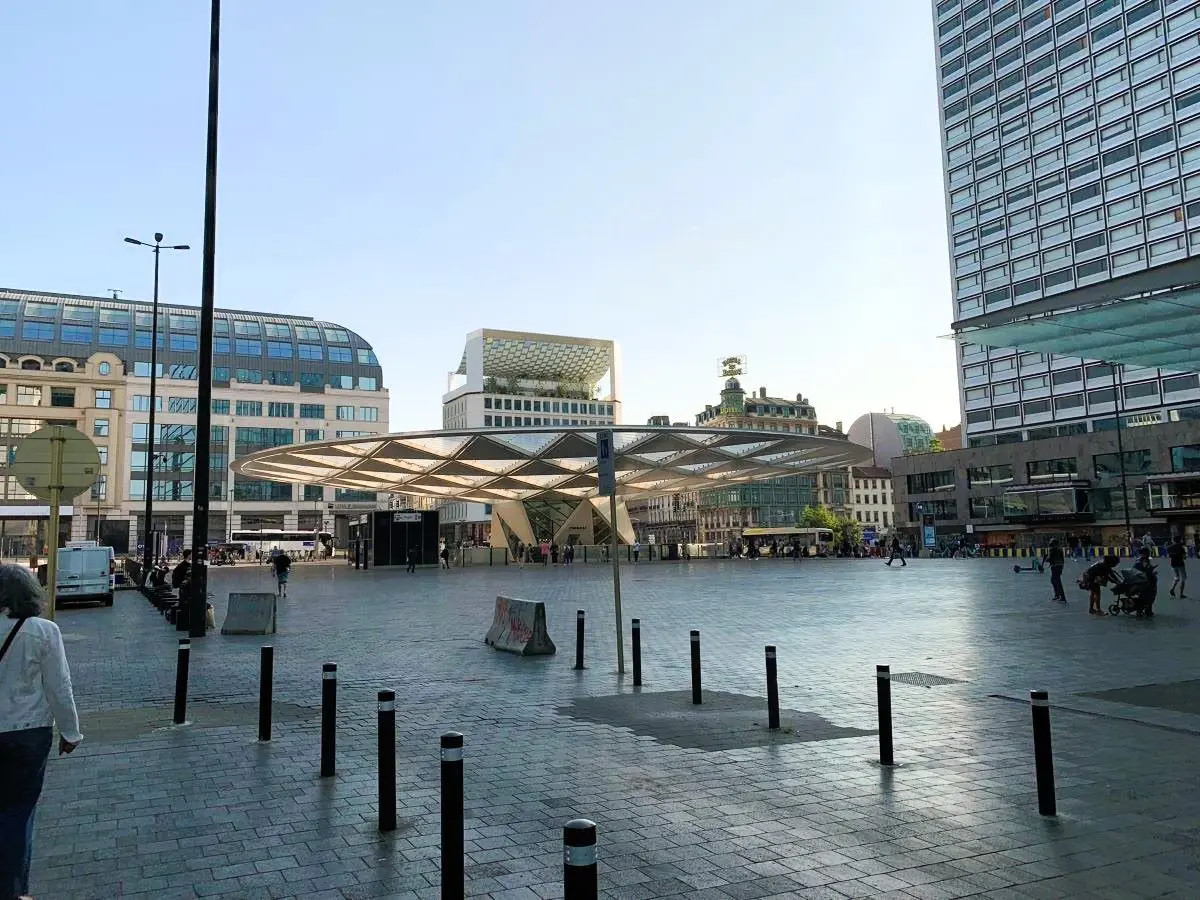
Choosing where to stay in Brussels matters more than it does in many European capitals. The city is compact, but the atmosphere changes quickly from one neighborhood to the next. Picking the right base makes exploring Brussels easier and far more enjoyable.
This guide helps you pick the right base by vibe, budget, and travel style, with the details that make a difference to your stay: walkability, nightlife noise, and basic safety (the busiest tourist zones can attract pickpockets, so keep valuables close). It also focuses on easy transit for day trips, since Brussels works well as a hub for Belgium.
In each suggested area, you’ll find well reviewed places to stay across budget, mid-range, and luxury, plus quick watch-outs so your hotel choice fits your mornings and evenings.
Before booking, it’s worth checking out my guide to the best things to do in Brussels so you can stay near the sights that matter most to you.
Planning an international, multi-city trip?
Learn how to organize routes, flights, and logistics without stress. This guide is designed for first-time travelers but just as useful for experienced travelers planning complex trips.
Free • Instant access • Perfect for first-time travelers • unsubscribe anytime.

First, Decide The Kind of Brussels Trip You Want (so you book the right neighborhood)
Brussels is compact, but the feel of “close” depends on your habits. Staying in the historic center puts the Grand Place and many museums within an easy walk, which is helpful for short trips and winter weather. The trade-off is crowds, higher prices, and more late-night street noise around popular squares.
Staying just outside the core often buys you calmer streets, better value, and neighborhoods that feel lived-in, with bakeries and small restaurants that aren’t aimed only at visitors.
In practice, a hotel that’s 10 to 15 minutes by metro or tram from the center still feels convenient, because many lines run frequently and stops are close together. It’s the difference between “step outside and you’re there” and “a short ride, then a short walk.”
Nightlife is another deciding point. Brussels has pockets where the evening starts with an aperitif and ends with a noisy sidewalk at 2 a.m. If sleep is part of your travel plan, check recent reviews for street noise, and consider a back-facing room.
Booking early matters here, especially for smaller boutique properties and eco-focused stays that have fewer rooms.
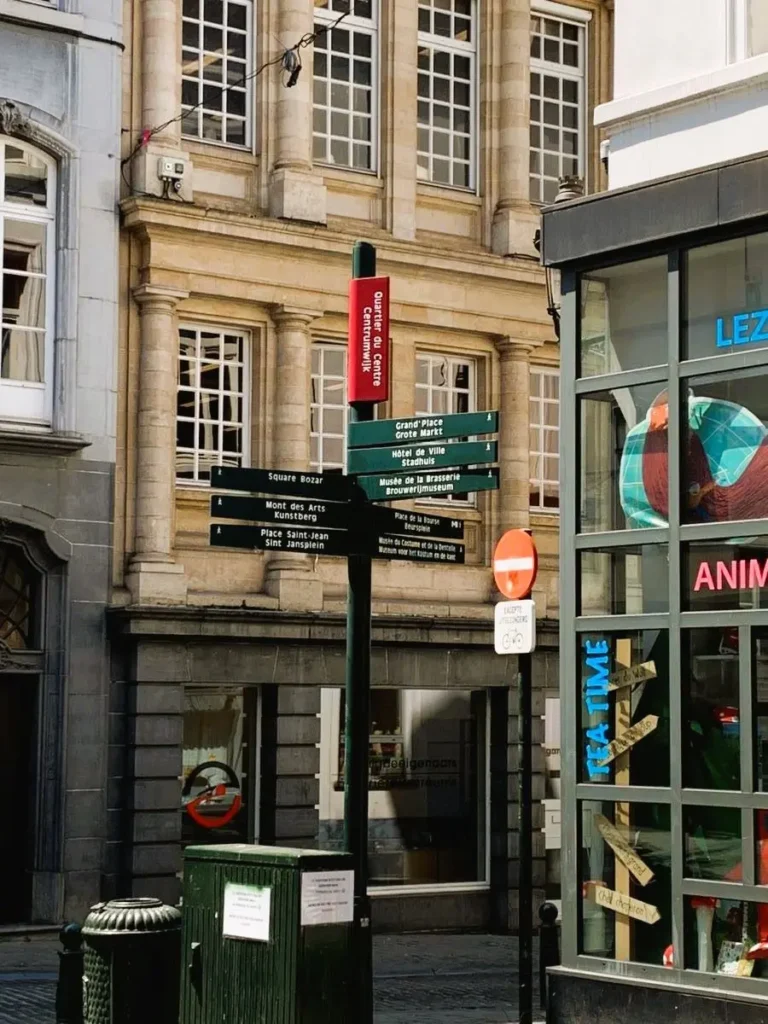
First-Time Visitors Who Want to Walk Everywhere – Stay Central
This fits first-timers, weekend breaks, and anyone who wants the Grand Place, galleries, and classic streets close at hand. It’s also practical for rail day trips because Brussels Central Station sits right on the edge of the historic core.
One evening tip: the center stays busy after dark, so keep your phone and wallet secured, especially in tightly packed streets near the main squares.
If You Want a More Local Vibe And Better Value, Stay Just Outside The Core
This suits longer stays, food lovers, and travelers who don’t mind a short tram or metro ride. These areas can feel more residential, with calmer mornings and less foot traffic. Some streets still get lively on weekends, especially around bar clusters, so it’s worth checking the exact block, not just the neighborhood name.
Where to Stay in Brussels by Neighbourhood (with highly reviewed hotels for every budget)
Below are four areas that cover the classic first visit, a food-forward stay, a polished café scene, and an artsy nightlife base.
Central Brussels (Grand Place and the Central Quarter), For The Easiest Sightseeing: Perfect If It’s Your First Visit
Why stay here: If you want your first Brussels visit to feel simple, stay central.
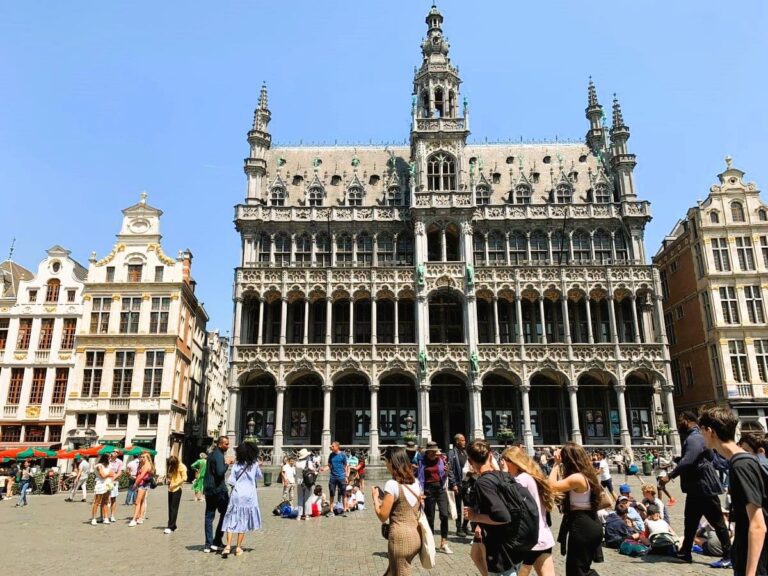
From the Grand Place area, everything is within walking distance; you can reach the city’s headline sights in minutes, including the ornate squares and lanes around Grand Place that grew rich during the guild era, plus nearby Manneken Pis.
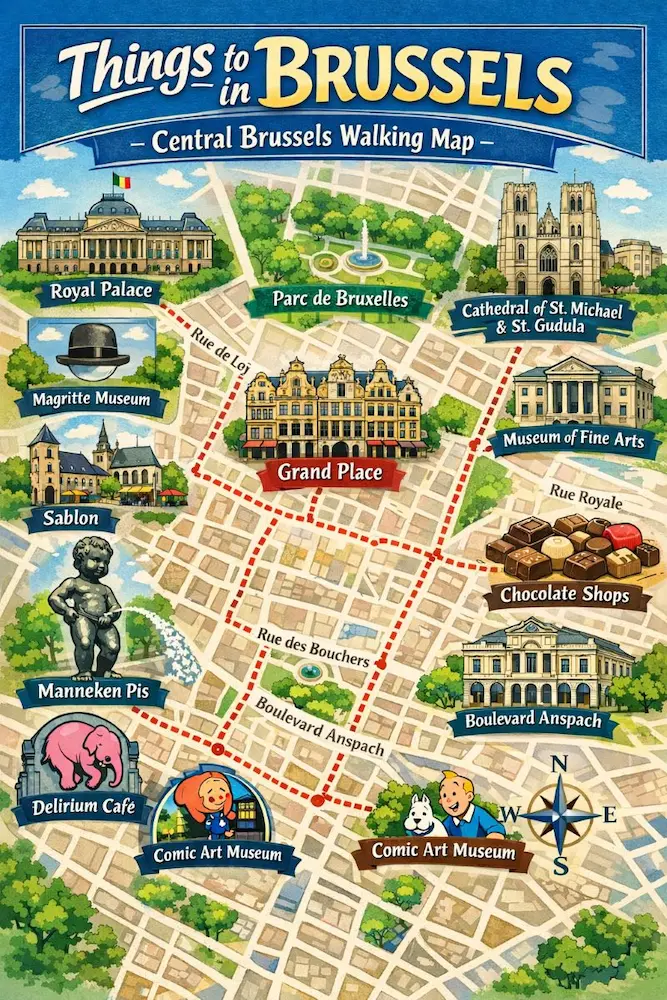
Restaurants are everywhere, and you’re close to Brussels Central Station, which keeps day trips and airport transfers straightforward.
Central Brussels also fits short stays well. When you only have one or two nights, time matters more than charm. Staying central cuts down on “in-between” travel, and it’s easier to pop back to your room between museums, dinner around Grand Place, and other sights.
The tradeoff is comfort. Hotels here often cost more for less space, and some streets stay loud late. If you’re a light sleeper, look for rooms facing an inner courtyard, or request a higher floor away from the street.
A Simple Rule for Booking in Central Brussels
If your hotel is:
- Within walking distance of Grand Place, Sainte-Catherine, Sablon, or Mont des Arts
- Or near metro stops like Bourse, De Brouckère, Central Station, or Sainte-Catherine
…then you’re in central Brussels and well located for sightseeing.
For first-time visitors, the best neighborhoods to stay in central Brussels are:
- Brussels City Center (Pentagon)
- Sainte-Catherine
- Sablon
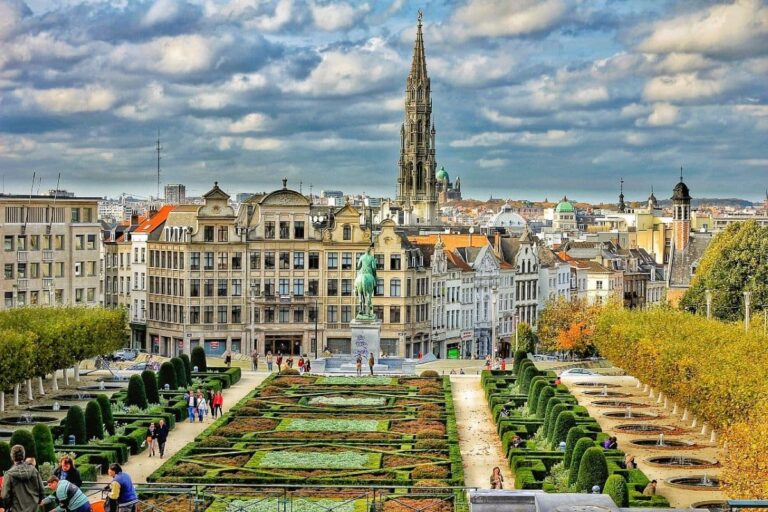
- Mont des Arts / Royal Quarter
- Bourse / Dansaert
Staying in any of these areas means you can explore most of Brussels on foot and enjoy the city without relying heavily on public transport.
Watch outs: It’s tourist-heavy and can be busy at night. Stay alert in crowded zones, as pickpockets tend to work the most packed streets.
- Budget (typical €110 to €160): Hotel Aris Grand Place, a simple, well located option for short stays.
- Mid-range (typical €160 to €230): Warwick Brussels, comfortable rooms and an easy base for stations and sights.
- Luxury (typical €300+): Rocco Forte Hotel Amigo, a highly rated classic near the square with a polished, historic feel.
Sainte Catherine And the Quays For Food, Bars, And a Fun Evening Vibe
Why stay here: Sainte-Catherine sits just northwest of the core, close enough to walk to Grand Place, but with a different rhythm. This area grew around canals and trade routes, and it still feels linked to the sea in spirit, especially in its seafood culture. You’ll find busy brasseries, bars that fill after dinner, and a neighborhood energy that feels more lived-in than souvenir-focused.
It’s a strong choice for travelers who want evenings to be the highlight. Stay here if you like to finish dinner late, try a second bar, then stroll home without planning a metro ride.
Watch outs: Late-night noise is the main issue, especially on weekends when bars spill onto the street. Light sleepers should prioritize soundproofing and higher floors.
- Budget (typical €90 to €140): Hotel Saint Nicolas, a practical pick near the action, often chosen for value.
- Mid-range (typical €200 to €300): Brussels Marriott Hotel Grand Place, well reviewed for comfort and space near central sights.
- Luxury (typical €160 to €240): Hotel Hubert Grand Place, a stylish, highly rated stay with a modern, social atmosphere.
Ixelles (Louise and Chatelain) For Trendy Cafes, Art Nouveau, And a Polished Feel
Why stay here: Ixelles blends the city’s elegant side with a strong café culture. Around Avenue Louise, you get grand storefronts and well kept streets; around Châtelain, markets and restaurants set the rhythm. This is also a good area for travelers drawn to Brussels’ Art Nouveau legacy – you’ll see that classic design everywhere, just walking around.
Watch outs: Prices rise near Louise, and you’ll usually use transit for the main sights (often 10 to 15 minutes). It’s an easy trade if you prefer calmer nights and a more local morning routine.
- Budget (typical €70 to €130): MEININGER Hotel Bruxelles City Center, social and good value for travelers who like shared spaces.
- Mid-range (typical €150 to €220): Hotel Louise, a well reviewed base near shopping and transport links.
- Luxury (typical €220 to €350): Hotel Brussels, an upscale option often chosen for comfort and a polished stay.
If boutique hotels are your priority, a Brussels boutique hotel round-up is a helpful starting point for smaller, design-led stays.
Saint Gilles For a Creative, Budget-Friendly Base With Great Nightlife
Why stay here: Saint-Gilles has a more bohemian edge, with street art, small venues, and a bar scene that feels less staged. It also connects well by tram, which is useful if you plan to mix museums with evenings out.
Watch outs: Some blocks feel rough around the edges, and weekends can be loud. Choose your exact street carefully, and don’t leave valuables visible in cafés or on terraces.
- Budget (typical €30 to €90): HOSTEL N 17, a lively budget choice for social travelers.
- Mid-range (typical €90 to €150): Hotel Astra St Giles, a simple, well located base for value-focused trips.
- More upscale (typical €150 to €230): True luxury is limited in Saint-Gilles, so consider a splurge in nearby Ixelles, or look at Novotel as a more upscale, well reviewed option in the broader central area.
Sablon And the European Quarter for Quiet Streets, Parks, And an Easy Commute
Sablon has an elegant, old-wealth mood in the Upper Town, contrasting the bustling Lower Town nearby, shaped by churches, antique shops, the Royal Palace, and a long tradition of craft and luxury goods. Les Marolles, just downhill from Sablon, adds an authentic local feel that’s perfect for solo travelers. It’s a good choice for couples who want Brussels to feel romantic and calm, with museums close by and an easy walk into the center when you want more action.
The European Quarter is different, home to the European Union institutions. It’s practical, quieter at night, and built around offices and broad streets. That may sound dull, but it can be a relief after a full day of sightseeing. Transit links are strong, and the area’s parks give you breathing space.
Family tip: look near Parc du Cinquantenaire for family-friendly hotels. Green space changes the feel of a city trip, especially when jet lag hits.
Choose Your Brussels Neighborhood Based On Your Trip Style
A good Brussels base matches your daily plan and your night standards. Do you want to walk everywhere, or are you fine with a 10-minute tram ride? Do you want quiet after 10 pm, or do you want to hear the city outside your window?
Public transport is strong across the city, but location still matters. Being near a metro stop or a frequent tram line can feel like adding an extra half-day to your trip over a long weekend.
A few quick matches:
- Couples: Sablon for calm and beauty, Sainte-Catherine for food and nightlife
- Families: European Quarter for parks and space, or central for easy walking
- Solo travelers: Saint-Gilles for value and character, Les Marolles for authentic local feel, central if it’s your first time
- Longer stays: Ixelles or Saint-Gilles for apartments, groceries, and café culture
- Business trips: European Quarter for commuting and predictable weekdays
Where To Stay in Brussels (Hotel vs Apartment) And What It Usually Costs
In 2026, apartments are a popular pick in Brussels, especially one-bedroom units. They often give you more space, a kitchen, and a quieter night, which can feel like a fair trade if you’re staying three nights or more.
Hotels are still the simplest option for quick trips, when you want a front desk, luggage storage, and predictable check-in.
Prices move fast in Brussels. Weekends can spike, and big EU meetings can push up rates in the European Quarter and anywhere with easy commutes. January is often calmer, but deals vary by event calendars.
Recent January 2026 pricing data shows city-wide averages around $122 per night, with Saint-Gilles averaging about $114 and the European Quarter closer to $170.
Hostels offer budget accommodation, with reported beds around €17 to €30 near central areas, depending on date and room type.
Simple price guide, what you get for your money
|
Nightly budget |
What it often looks like |
Best fit |
|---|---|---|
|
Under €100 |
Smaller rooms, simpler decor, sometimes farther out or near busy roads |
Tight budgets, short stays, travelers who spend little time in the room |
|
€100 to €200 |
Best value range, comfortable rooms, better locations, more reliable soundproofing |
Most travelers, especially first-timers |
|
€200+ |
Luxury hotels with prime location or higher-end comfort, larger rooms, stronger service, quieter finishes |
Special trips, business travel, travelers who want space and calm |
A common sweet spot is €150 to €180, where you can often get nicer extras like quiet rooms, fast wifi, and a proper desk.
Where To Stay If You Are Arriving By Train Or Planning Day Trips
For train arrivals and day trips, staying near Brussels Central Station makes life easy. Central keeps you close to the main sights like Grand Place within walking distance, and it reduces the need to cross the city with bags. It’s also convenient for day trips within Belgium, where short rail hops are part of the experience.
Brussels-South Railway Station and Brussels-Nord can also make sense, especially if your trains arrive late or you’re connecting early. Comfort varies block by block around major stations, so don’t guess based on the station name alone. Check recent reviews, look at the exact street, and confirm your late-night route from the platform to the hotel.
Quick Brussels Stay Tips That Prevent Common Mistakes
Small choices can save you from a long, annoying trip. Brussels is friendly and easy to visit, but it rewards planning, especially around noise, timing, and transport.
Safety and comfort basics, especially at night
Stick to well-lit streets at night, and choose a stay close to public transport such as a metro station or tram stop so you’re not walking long distances after dinner. In busy shopping areas, petty theft can happen, so keep valuables zipped and stay aware in crowds.
Noise is the surprise issue for many visitors. In the city centre, streets can echo late into the night, even midweek. If you’re sensitive to sound, request a room away from the street, and consider Sablon or parts of the European Quarter for calmer evenings.
Booking timing and smart add-ons (like museum passes)
For central neighborhoods, popular weekends, or events like the Christmas market, book early. Brussels doesn’t feel huge, and the best located, well-reviewed places fill faster than you’d expect.
If you plan to visit several museums, the Brussels Card can save money, depending on your list. Some museums also offer free entry on the first Wednesday afternoon of each month, but schedules can change, so confirm details before you build your day around it.
Conclusion
Choosing where to stay in Brussels is mostly about two things: how much you want to walk, and what you want your nights to feel like. Grand Place in the historic center suits first-time visitors and short trips, Sainte-Catherine suits food and nightlife, Ixelles or Saint-Gilles suit a local feel and better value, and Sablon or the European Quarter suit quieter stays.
Pick one area that matches your evening pace, then let Brussels and its iconic Manneken Pis do the rest. When you step outside each morning, does it feel like the trip you came for?
If planning an international or multi-city trip feels a bit overwhelming, this free guide walks you through it step by step.
Free Trip Planning Guide for International & Multi-City Travel
Learn how to organize routes, flights, and logistics without stress. This guide is designed for first-time travelers but just as useful for experienced travelers planning complex trips.
Recent Posts:
-
Best Areas to Stay in Amsterdam for First-Time Visitors
In this guide, I’ll walk you through the best areas to stay in Amsterdam, which each one is best for, and specific hotel options to help you find the perfect fit. The strongest choices are usually Centrum, Jordaan, the Museum Quarter, and De Pijp. Each has a distinct mood. The comparison below makes the trade-offs…
-
🇳🇱 Best Things to Do in Amsterdam: Top Attractions, Local Experiences & Travel Tips
As we started planning for Amsterdam, and started doing some research, we knew we were in for a treat. Guess what? It turned out to be better than what we expected! Picture canals lined with narrow colourful houses, bridges, 17th-century architecture, bikes everywhere, world-famous museums, and cozy cafés on every corner. The place is exciting!…
-
Your Perfect Netherlands Travel Guide: Cities, Trains, and Smart Tips
If you’re planning a trip to the Netherlands, you’re in for a mix of charming canals, world-class museums, historic towns, and beautiful countryside. If I had one rule for a first visit, I’d plan around trains, not a rental car. This Netherlands travel guide focuses on what matters: entry rules, the best time to visit,…
-
A Perfect Day Trip to Bruges From Brussels: A Simple Train Plan and Walking Route
If you’re planning a trip to Belgium and short on time, a Day Trip to Bruges from Brussels is a great idea. In just about an hour by train, you can be transported back in time to the cobblestone lanes, peaceful canals, and storybook buildings of medieval times. Often called the “Venice of the North,”…
-
15 Best Things to Do in Brussels for First-Time Visitors (2026)
Brussels often surprises visitors because it doesn’t fit the expectations people arrive with. Many travellers assume it’s merely an administrative capital or a brief stopover between Paris and Amsterdam. In reality, it offers a lot, and there are many fun things to do in Brussels. For a first visit, plan to spend 1 to 3…
-
Belgium Travel for First-Time Visitors (2026): Easy Trains, Medieval Cities, and Great Food
Belgium might be small, but it delivers far more than its size suggests—historic cities, beautiful architecture, world-famous food, and some of the best beer you’ll ever taste. Belgium travel is surprisingly easy. My wife and I spent four days there in 2023 as part of a train journey through eight European countries. It’s one of…