Belgium Travel for First-Time Visitors (2026): Easy Trains, Medieval Cities, and Great Food
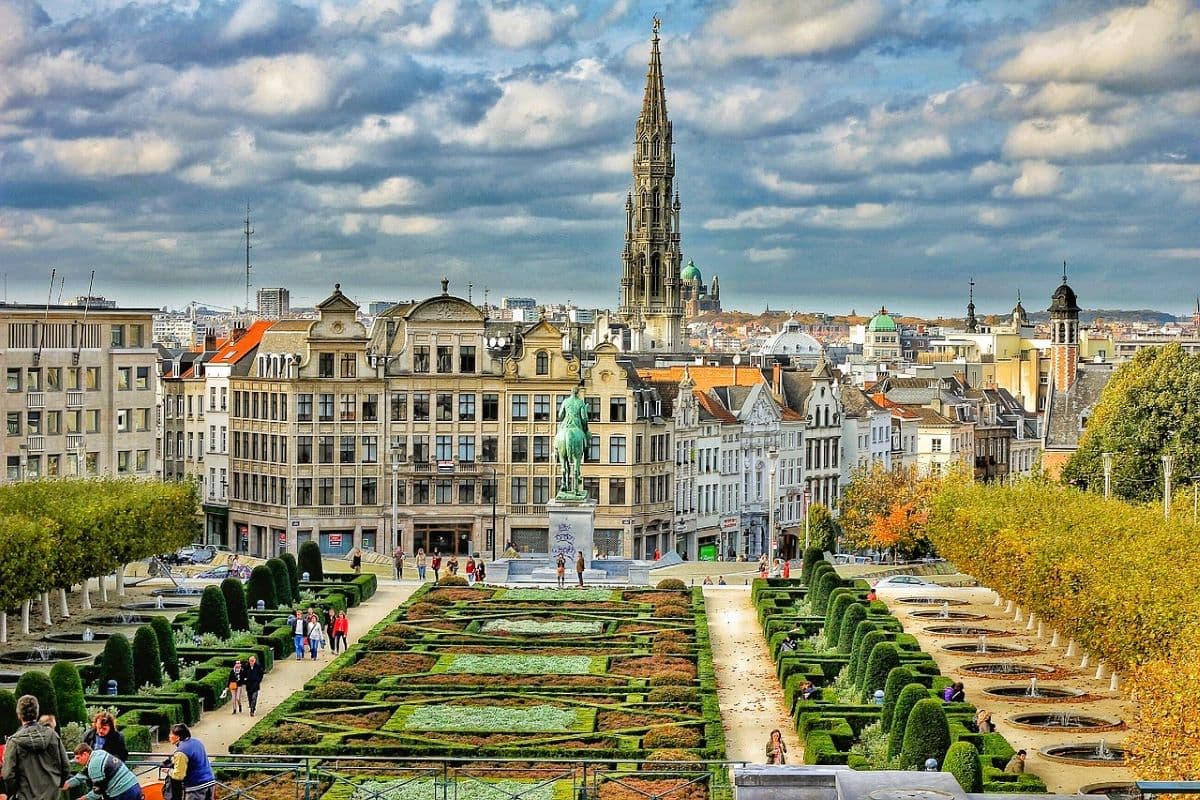
Belgium might be small, but it delivers far more than its size suggests—historic cities, beautiful architecture, world-famous food, and some of the best beer you’ll ever taste.
Belgium travel is surprisingly easy. My wife and I spent four days there in 2023 as part of a train journey through eight European countries. It’s one of the easiest European countries to travel around, making it perfect for first-time visitors or those with limited time.
Belgium is a great choice if you enjoy easy train travel and compact cities—something we also appreciated while traveling through Italy.
This Belgium travel guide covers everything you need to know to plan a smooth and enjoyable trip to Belgium.
Also, visit my detailed guides on the Best Things To Do In Brussels and the Best Areas To Stay In Brussels. If you’re planning a day trip to Bruges from Brussels, then do check my post on The Perfect Day Trip to Bruges from Brussels.
Key takeaways
- Belgium is ideal for first-time Europe trips because cities are close, and they’re walkable.
- Spring (April to June) and fall (September to October) bring mild weather and fewer crowds.
- You can base in Brussels for day trips, or split nights between 2 to 3 cities.
- Trains are the simplest way to get around, a car only helps in rural areas like the Ardennes.
- Expect rain any month, pack layers and shoes that handle cobblestones.
Why Is Belgium Worth Visiting?
Belgium travel often gets treated like a “gap” between France and the Netherlands. That’s a mistake. This small country shaped European trade, art, and politics for centuries, and you can still feel that history in its guild halls, belfries (a UNESCO World Heritage Site), and market squares.
What travelers get, in practical terms, is a trip that’s easy to plan. The distances are short. You can ride a train from Brussels to Bruges or Ghent in about an hour, then spend the day on foot in a historic center full of medieval architecture that hasn’t been redesigned for cars. Belgium’s public transit is reliable, and the country’s size reduces the fatigue that often hits first-timers.
The variety is the real hook:
- Brussels gives you a big-city mix of grand architecture, museums, and everyday life.
- Bruges offers canals and medieval streets that look like a painting.
- Ghent blends old towers with a youthful student energy.
- Antwerp leans into fashion, diamonds, and major art collections.
- The Ardennes brings forests, rivers, and small towns when you need fresh air.
Food is not a side quest here. Fries are served with mayo, waffles vary depending on where you buy them, and Belgian beer is treated with the same care as wine – often poured into its own specific glass.
Planning an international, multi-city trip?
If you’re feeling overwhelmed by flights, routes, timing, or budgets, I put together a free step-by-step ebook to help you plan your trip with confidence.
Free • Instant access • Perfect for first-time travelers • unsubscribe anytime.
Best time to visit Belgium (weather, crowds, and prices)
Belgium’s weather doesn’t play favorites. Rain can show up any month, sometimes as a quick mist, sometimes as a steady gray drizzle that makes the brick streets shine. The trick is to plan your itinerary for comfort, not perfection.
For most first-time visitors, the sweet spots are:
- Spring (April to June): Mild days, longer light, and fewer tour groups than summer.
- Fall (September to October): Comfortable temperatures, a calmer feel in the Old Town of Bruges and Ghent, and better hotel availability than peak season.
Summer brings long days and a lively mood, but also higher prices and heavier crowds in the most famous places. Winter can be beautiful in a quiet, candlelit way, though it’s cold, cloudier, and often wet. In January, expect chilly temperatures (often around 32 to 43°F, 0 to 6°C), and plan on layers and waterproof shoes.
Spring vs fall vs summer: which season fits your trip?
Each season has a different “personality,” and matching it to your travel style saves frustration.
Spring suits first-timers who want a balanced trip, perhaps starting in Brussels. Days are pleasant for walking, and the cities feel busy without feeling crowded. It’s also easier to book a good hotel in a central location.
Fall works well for travelers who like museums, food, and slower evenings. The light can be excellent for photos, and the pace in Bruges often feels more human once summer ends.
Summer is best for travelers who want outdoor terraces, later sunsets, and festivals. Just plan for crowds in the historic centers.
A simple decision tip: if you hate crowds, avoid July and August in Bruges, or visit early in the morning and stay into the evening after day-trippers leave.
How to plan around holidays and busy weekends
Belgium’s famous towns aren’t huge, and that’s part of the charm. It also means weekends fill up fast. Bruges and Ghent can feel very different on a Tuesday versus a Saturday.
A few planning habits help:
- Book hotels earlier for summer, school breaks, and winter market season.
- If you want a calm Bruges visit, consider sleeping there on a weeknight.
- Check opening hours for museums and churches, some have shorter winter hours.
- Reserve popular restaurants on Friday and Saturday nights, especially in tourist centers.
Do you need a visa for Belgium travel?
Belgium is in the Schengen Area, which means entry rules follow the shared Schengen framework. Many travelers can visit for up to 90 days in a 180-day period without a visa, but the details depend on your passport and where you live.
Passport rules still apply, and they can affect boarding even before you land. Check your passport expiration date well in advance, and confirm the entry requirements for your nationality before booking flights.
Visa basics for US travelers and the 90 day Schengen rule
For U.S. and Canadian tourists, the common rule is up to 90 days visa-free within the Schengen Area during any 180-day period, with many flying into Brussels as the likely point of entry. That 90-day limit applies across Schengen countries combined, not just Belgium.
Border processes can also change in how they record entries and exits, so keep your itinerary organized.
A simple checklist:
- A valid passport (check validity and condition)
- Return or onward plans (keep proof handy)
- Travel insurance if you want extra peace of mind
- A rough count of your days to stay within the 90/180 limit
Getting to Belgium
Belgium is a natural entry point to Western Europe because it connects well by air and rail, and once you’re inside the country, the train network does most of the work for you.
Arriving by plane or high-speed train (Brussels, Charleroi, Eurostar)
Most first-time visitors fly into Brussels Airport (BRU). It’s the main hub, with straightforward train links into the city. If you’re trying to cut flight costs, Charleroi Airport (CRL) often serves budget airlines, but it’s farther from Brussels and usually adds extra time and transfers.
Belgium also works beautifully as a rail destination. The Eurostar route from London to Brussels is a common option, and Brussels links easily to Paris, Amsterdam, Antwerp, Ghent, and Cologne. This makes it simple to include Belgium in a larger Europe itinerary without adding stress.
Getting Around Belgium
Trains
Belgium’s train system is efficient, affordable, and easy to use. Trains connect all major cities, including Brussels, Bruges, Ghent, and Antwerp.
- No reservations needed for most domestic trains
- Stations are usually central
- Discounts available on weekends
Public Transport in Cities
- Trams, buses, and metros are reliable
- Tickets can be bought at machines or via apps
For most trips, use this simple public transit approach:
- Trains for city-to-city travel
- Walking for historic center
- Metro and trams in Brussels and larger cities
- Bikes in flat canal cities if you’re comfortable riding near pedestrians
Renting a Car
A rental car helps mainly when you want the Ardennes, rural viewpoints, or small towns that aren’t convenient by rail. In major cities, a car often hurts more than it helps because of parking costs, limited access zones, and traffic patterns built for locals, not visitors.
Ticket tip: buy tickets through train station machines or official apps where available, and pay attention to any validation rules posted in stations.
What to see in Belgium, how many days you need, and where to base yourself
It’s tempting to hop cities every night because everything looks close on a map. The better move is to choose a base (or two), then take day trips by train.
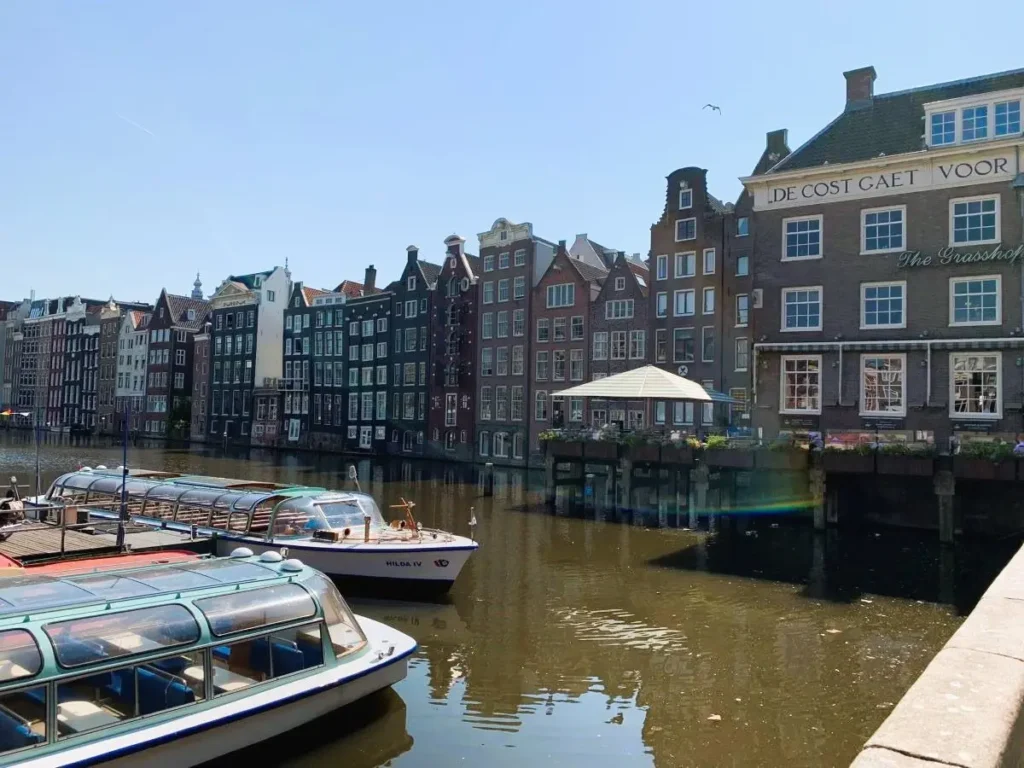
Best places to visit in Belgium for first-timers (Brussels, Bruges, Ghent, Antwerp, Ardennes)
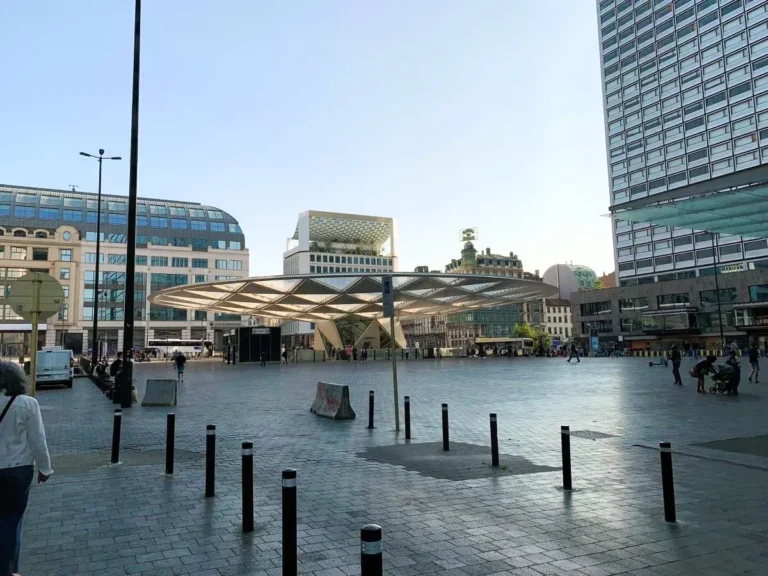
Brussels
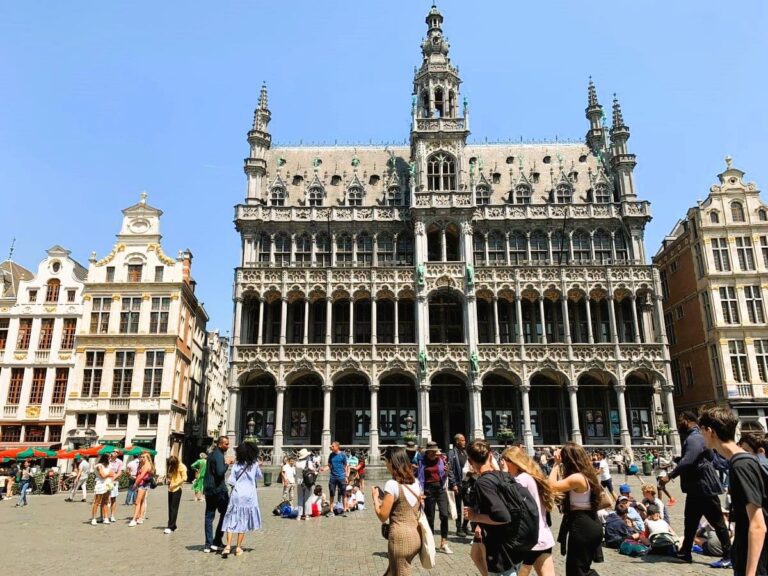
Highlights: Grand-Place and its guild halls, Manneken Pis, Royal Palace, major museums, Art Nouveau streets, and the simple pleasure of a long café break. Brussels has layers, medieval traces, 19th-century ambition, and modern EU-era life all in one place.
Quick tip: Stay near a central transit link so day trips are easy, including to the nearby Battle of Waterloo site.
See my full list of the best things to do in Brussels for ideas on what to prioritize.
Bruges
Highlights: canals and canal cruises, the Markt, beguinages, medieval lanes, and quiet corners once the day crowds thin. The city’s wealth came from medieval trade, and the old center, a UNESCO World Heritage Site, still reflects that, compact, ornate, and built for walking.
Quick tip: Start early, the first hour after sunrise feels like a private tour.
Ghent
Highlights: the three towers skyline, canalside walks, student nightlife, and churches that hold major art. Ghent often feels less staged than Bruges, with a lived-in energy. For history buffs, consider a side trip to Ypres and Flanders Fields to explore World War I sites.
Quick tip: Plan one evening here, the city changes after dark.
Antwerp
Highlights: fashion and design, Rubens-era art, the cathedral, and a port-city mood that feels international. Antwerp has long been a trading center, and the city’s confidence shows in its streets and shops.
Quick tip: Build in time for museums, many visitors underestimate it.
The Ardennes
Highlights: forests, rivers, hiking paths, and small towns with a slower rhythm. It’s the reset button after city days, especially if you enjoy nature and long lunches.
Quick tip: A car helps here, or choose one town with good transit links and keep plans simple.
How many days do you need in Belgium? (3, 5, or 7 day plans)
Belgium can be done quickly, but it’s better when you don’t rush.
3 to 4 days: Best for the classics. Choose Brussels plus one or two day trips (Bruges, Ghent, or Antwerp). Minimal hotel changes, maximum time on foot.
5 to 7 days: A fuller itinerary. Split nights between Brussels and either Bruges or Ghent, then add Antwerp and one nature day.
One week is the ideal pace for first-timers who want a mix of cities and breathing room. You’ll have time to visit museums without feeling like you’re racing a clock.
Where to stay during your Belgium trip (best neighborhoods and city picks)
A good base saves time every day, and in Belgium that often means staying close to a major station or a central square.
Brussels: Central areas work well because you can walk to sights and catch trains for day trips. Look for easy access to metro lines if you plan late evenings.
Bruges or Ghent: Staying near the old town is the charm option. Expect older buildings and narrower streets, which is part of the historical fabric.
Antwerp: The center is convenient for museums, shopping, and dining, and it’s well connected by train.
Quick checks before you book:
- Close to a train station or an easy transit line
- A quiet street if you’re a light sleeper
- Elevator access, older buildings often don’t have it
Food, beer, budget, and practical tips for Belgium travel
This is where Belgium wins people over. The practical side also matters, knowing what costs what, how to order, and what to pack so you stay comfortable.
Belgian food and beer you should try (and how to order like a local)
Belgian food is straightforward, but it’s done with care.
Worth trying at least once:
- Moules-frites (mussels with frites)
- Belgian fries with mayo, a classic pairing
- Waffles, which vary by style and topping
- Belgian chocolate from a respected shop, Belgium takes it seriously
- Speculoos, spiced cookies often served with coffee
For Belgian beer, traditions run deep, from abbey styles to sour beers.
Belgium has hundreds of beer varieties, including:
- Trappist beers
- Lambic and gueuze
- Abbey beers
Even if you’re not a beer drinker, it’s worth visiting a traditional beer café.
Ordering tips that make the experience smoother: many beers come in specific glasses, it’s normal to pace yourself, and weekend dinner reservations help in Brussels and Bruges.
Belgium travel costs and budget tips (realistic daily spend)
Costs swing by season and by city. Bruges in summer and weekends tends to be the most expensive combination, while Brussels often gives more room to find mid-range deals.
A realistic mid-range daily spend (per person, excluding long-haul flights) often falls around $140 to $230 depending on hotel rates, museum visits, and how many sit-down meals you choose.
Average daily costs (per person):
- Budget: €70–100
- Mid-range: €120–180
- Luxury: €200+
What drives costs:
- Hotels in peak summer and on weekends
- Central locations in Bruges
- Museum and attraction tickets
Money-Saving Tips
- Use trains instead of taxis
- Eat lunch out, dinner in
- Take free walking tours
- Travel on weekends for train discounts
Language, safety, and practical Belgium travel tips
Belgium has a language split that reflects its history and regions, including events like World War I. Dutch (Flemish) is common in Flanders (Bruges, Ghent, Antwerp), while French is common in Wallonia. Brussels is officially bilingual, and in tourist areas English is widely spoken.
Safety is similar to other major European destinations. The main concern is petty theft in busy areas.
Simple habits help:
- Keep bags zipped in crowded squares and stations
- Use a crossbody bag in dense crowds
- Keep your phone secure on trams and metros
Other practical basics:
- Power: Belgium uses European plug types (type C), bring an adapter
- Tipping: often modest, rounding up is common and appreciated
- Cards vs cash: cards are widely used, keep a small amount of cash for small buys
- Time: trains and tours run on schedules, arrive early
What to pack for Belgium (rain-ready and cobblestone-friendly)
Belgium’s streets reward walking, but cobblestones and damp weather punish flimsy shoes, especially in the historic center.
A short packing checklist:
- Waterproof jacket
- Layers (sweater or light fleece)
- Comfortable shoes with grip for cobblestones
- Compact umbrella
- Small day bag
- Reusable water bottle
- Power adapter
- Light scarf or hat depending on season
Layers matter because the day can shift from chilly to mild, and rain can come and go without warning.
Popular day trips in Belgium (easy options from Brussels, Bruges, and Ghent)
Day trips are where Belgium feels effortless.
Good options with simple travel times:
- Bruges from Brussels: about 1 hour by train
- Ghent from Brussels: about 30 to 40 minutes by train
- Antwerp from Brussels: about 40 to 50 minutes by train
- Leuven from Brussels: about 20 to 30 minutes by train, great for a quick city break
- Battle of Waterloo from Brussels: around 30 minutes by train or bus, ideal for history buffs
- Dinant: a longer ride, but known for river views and an easy scenic feel
If you want the Ardennes for hiking or rural scenery, plan a longer day and consider a rental car. Start early, and check return train times before committing to a late dinner.
Belgium travel itinerary ideas (3 days, 5 days, 7 days)
These outlines keep logistics simple and leave room for long meals.
3 days (one base in Brussels)
- Day 1: Brussels old center, Grand-Place, a museum, Belgian fries
- Day 2: Day trip to Bruges, canals, Markt, early dinner back in Brussels
- Day 3: Ghent day trip, evening beer bar in Brussels
5 days (split Brussels + Ghent)
- Day 1: Brussels highlights, chocolate stop, museums
- Day 2: Antwerp day trip for museums and shopping streets
- Day 3: Train to Ghent near the train station, canal walk, evening in the old center
- Day 4: Bruges day trip from Ghent, start early to beat crowds
- Day 5: Slow morning in Ghent, then return to Brussels for departure
7 days (Brussels + Bruges or Ghent, add nature)
- Day 1: Brussels core sights and a food-focused evening
- Day 2: Ghent, towers and museums, sleep in Ghent
- Day 3: Bruges, canals and medieval lanes, sleep in Bruges or return to Ghent
- Day 4: Antwerp day trip, Rubens-era art and cathedral area
- Day 5: Dinant or an Ardennes town, scenery day
- Day 6: Brussels museums or neighborhoods, keep the pace light
- Day 7: Buffer day for shopping, a final meal, and easy departure
Belgium travel FAQs for first-time visitors
- Is Belgium expensive? It can be mid-range, but costs rise in summer and in Bruges on weekends.
- Is Brussels worth it? Yes, it’s a strong base and has real depth beyond headline sights.
- Do I need a car? Not for cities, trains work well. A car helps for the Ardennes and rural stops.
- Is it easy in English? In tourist areas, yes. Learning a few polite phrases still helps.
- Can I visit Bruges as a day trip? Yes, it’s one of the easiest day trips by train.
- What is the best base city? Brussels for day trips, or split Brussels with Ghent or Bruges for charm.
- How rainy is it? Rain is common year-round, plan for it instead of hoping it won’t happen.
- What should I double-check before leaving? Entry rules for your passport, your 90/180 day count if it applies, and train schedules for any early starts.
Conclusion
A good Belgium plan stays simple: pick the season that fits your pace, choose 2 to 3 cities such as Brussels, Bruges, and Ghent (many of which are UNESCO World Heritage Sites), and let the trains do the hard work.
Leave space for long lunches, quiet squares, and the small rituals, like a beer served in the right glass. With Belgium travel, the best moments often happen between the main sights, on a canal bridge, in a warm café, or on a cobblestone street after rain.
For an extra overview of destinations and pacing, Rick Steves’ Belgium travel guide is a helpful baseline for first-time planning.
What trip length are you planning, and which cities are you most excited to see first?
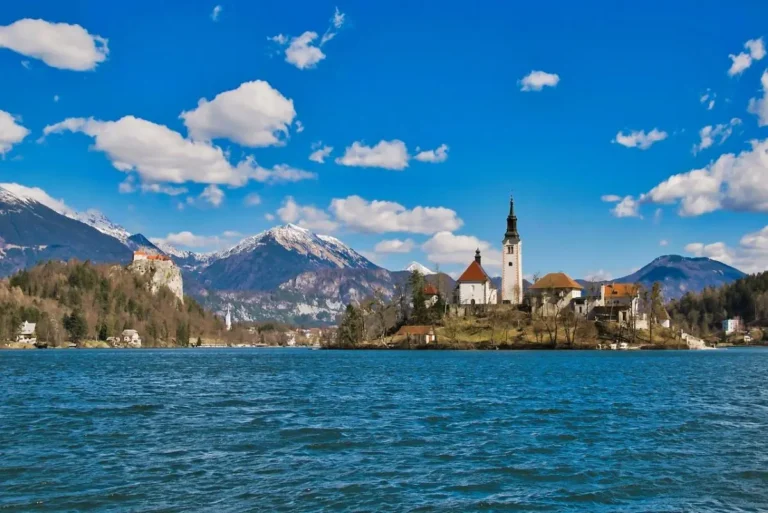
If you’re planning a larger European trip, you may also find our Slovenia Travel Guide helpful, especially if you’re looking for another compact country that’s easy to explore.
Planning an international, multi-city trip?
If you’re feeling overwhelmed by flights, routes, timing, or budgets, I put together a free step-by-step ebook to help you plan your trip with confidence.
Free • Instant access • Perfect for first-time travelers • unsubscribe anytime.
Recent Posts:
-
Best Areas to Stay in Amsterdam for First-Time Visitors
In this guide, I’ll walk you through the best areas to stay in Amsterdam, which each one is best for, and specific hotel options to help you find the perfect fit. The strongest choices are usually Centrum, Jordaan, the Museum Quarter, and De Pijp. Each has a distinct mood. The comparison below makes the trade-offs…
-
🇳🇱 Best Things to Do in Amsterdam: Top Attractions, Local Experiences & Travel Tips
As we started planning for Amsterdam, and started doing some research, we knew we were in for a treat. Guess what? It turned out to be better than what we expected! Picture canals lined with narrow colourful houses, bridges, 17th-century architecture, bikes everywhere, world-famous museums, and cozy cafés on every corner. The place is exciting!…
-
Your Perfect Netherlands Travel Guide: Cities, Trains, and Smart Tips
If you’re planning a trip to the Netherlands, you’re in for a mix of charming canals, world-class museums, historic towns, and beautiful countryside. If I had one rule for a first visit, I’d plan around trains, not a rental car. This Netherlands travel guide focuses on what matters: entry rules, the best time to visit,…
-
A Perfect Day Trip to Bruges From Brussels: A Simple Train Plan and Walking Route
If you’re planning a trip to Belgium and short on time, a Day Trip to Bruges from Brussels is a great idea. In just about an hour by train, you can be transported back in time to the cobblestone lanes, peaceful canals, and storybook buildings of medieval times. Often called the “Venice of the North,”…
-
Where to Stay in Brussels: The Best Neighborhoods for Every Travel Style
Choosing where to stay in Brussels matters more than it does in many European capitals. The city is compact, but the atmosphere changes quickly from one neighborhood to the next. Picking the right base makes exploring Brussels easier and far more enjoyable. This guide helps you pick the right base by vibe, budget, and travel…
-
15 Best Things to Do in Brussels for First-Time Visitors (2026)
Brussels often surprises visitors because it doesn’t fit the expectations people arrive with. Many travellers assume it’s merely an administrative capital or a brief stopover between Paris and Amsterdam. In reality, it offers a lot, and there are many fun things to do in Brussels. For a first visit, plan to spend 1 to 3…